
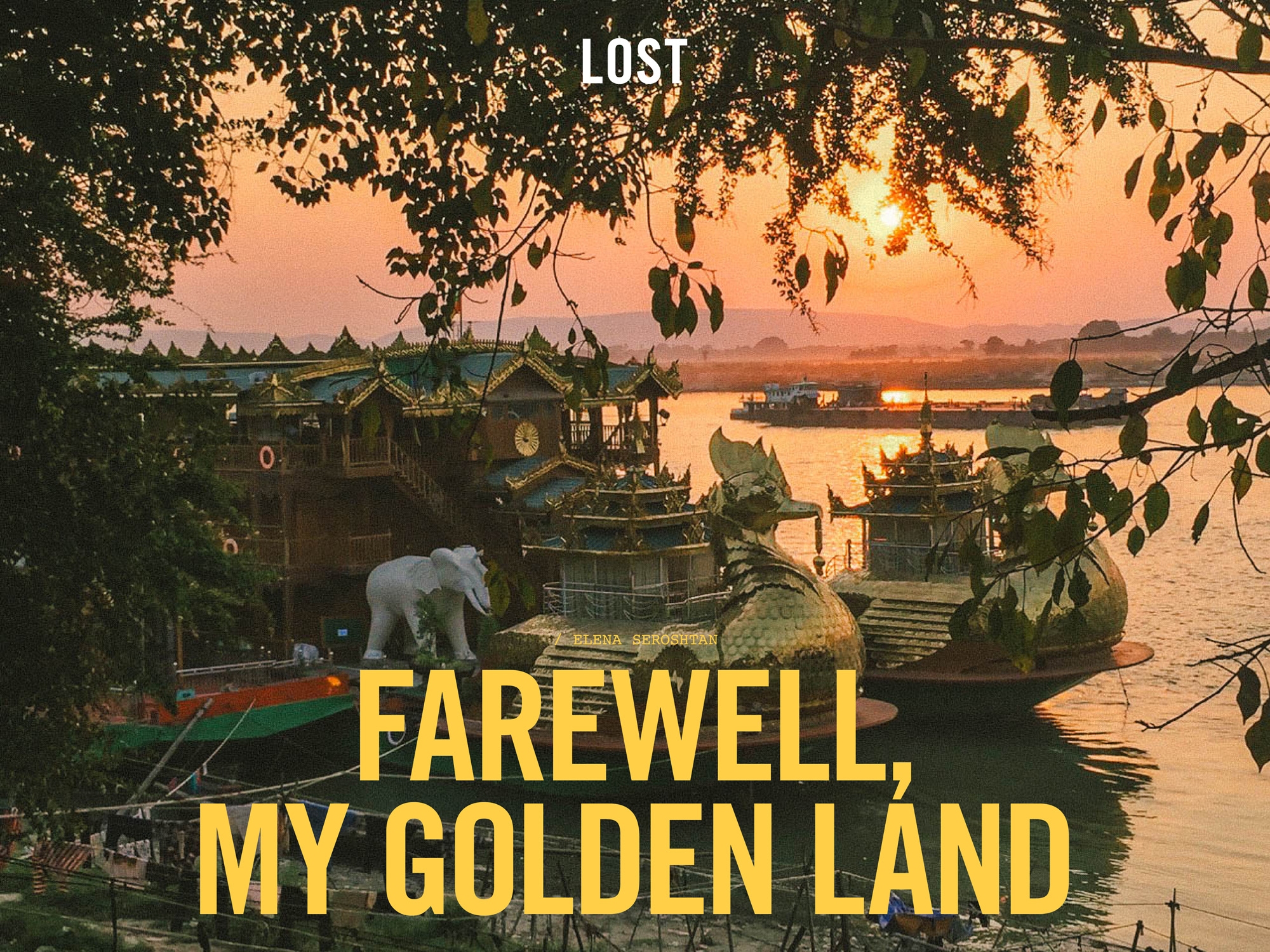
FAREWELL, MY GOLDEN LAND
BY ELENA SEROSHTAN
Our plane was slowly moving toward the runway, passing the glass facade of the brand-new Yangon Airport—which now stood like a ghost in the shimmering hot air. I glanced at it for the last time. Every time I left Myanmar, I thought it might be the last—but this time, it definitely was. We were leaving. We were actually leaving. It was hard to believe, but we were. And I knew I might never see this Golden Land again.
Myanmar holds a very special place in my life. I came here for the first time on the brink of major changes in my life—and she gently pushed me towards them. Later, I returned, in deep distress, shattered, lost, and confused. She accepted me—not as a refugee from my personal troubles, but as a diligent student. She became a wise teacher to me, and a friend. She let me leave, and she let me come back, as many times as it took for me to learn my lessons and change. In the end, she gave me a farewell gift—she gave me love and friends.
I looked at the runway once more, hoping to see the ground maintenance team, who usually performed their traditional bow and waved to the passengers. It was such a lovely tradition. Every single time, members of the team stood in a line, gave several bows to the departing plane, and waved. If you waved back, they would give you an extra double bow. But not that day. There was no one on the ground. The runway seemed deserted. Only the trembling of the hot air was visible. I could only hope that the maintenance had been properly done.
It was March 2021—a year since COVID had begun, and three months since the military coup d’état. Most of the airport workers had joined the civil disobedience movement, and the rest were following social distancing rules. It wasn’t the right time for carefree traditions.
The airplane began to accelerate and eventually took off. It was official now: we had left. And with that, I closed a very hefty chapter of my life connected to Myanmar. Tears flowed uncontrollably from my eyes. On the one hand, I was travelling home. I had left the country that was at war with herself; I had left the prison of our tiny hotel room, where my boyfriend and I were confined to 13 square meters due to the Covid-19 outbreak and the subsequent lockdown. But on the other hand, I was leaving the country that had truly become my second home, where I had found love and met dear friends. I was leaving my Myanmar friends behind, in great distress due to the political turmoil in their country—and I had a feeling I would never see them again. I kept denying it, but deep down I knew: this time it was our final goodbye.
I studied the cabin and the passengers around me. It was strangely quiet. For the majority of these people, it wasn’t a jolly holiday trip—it was a relief flight. The leaden circumstances forced us to leave. People spoke in hushed voices. There was no excitement. We didn’t want to leave; we had to leave.
Looking at the passengers, it felt as though I were travelling with a bunch of doctors and nurses who had forgotten to change after a surgery workshop. This was the new reality of travel these days: passengers had to wear protective gowns, disposable gloves, surgeon’s caps, face masks, and plastic face shields. Over our shoes, we had to put on disposable shoe covers. Neither food nor drinks was served, but I had no appetite anyway—I was drowning in my memories.
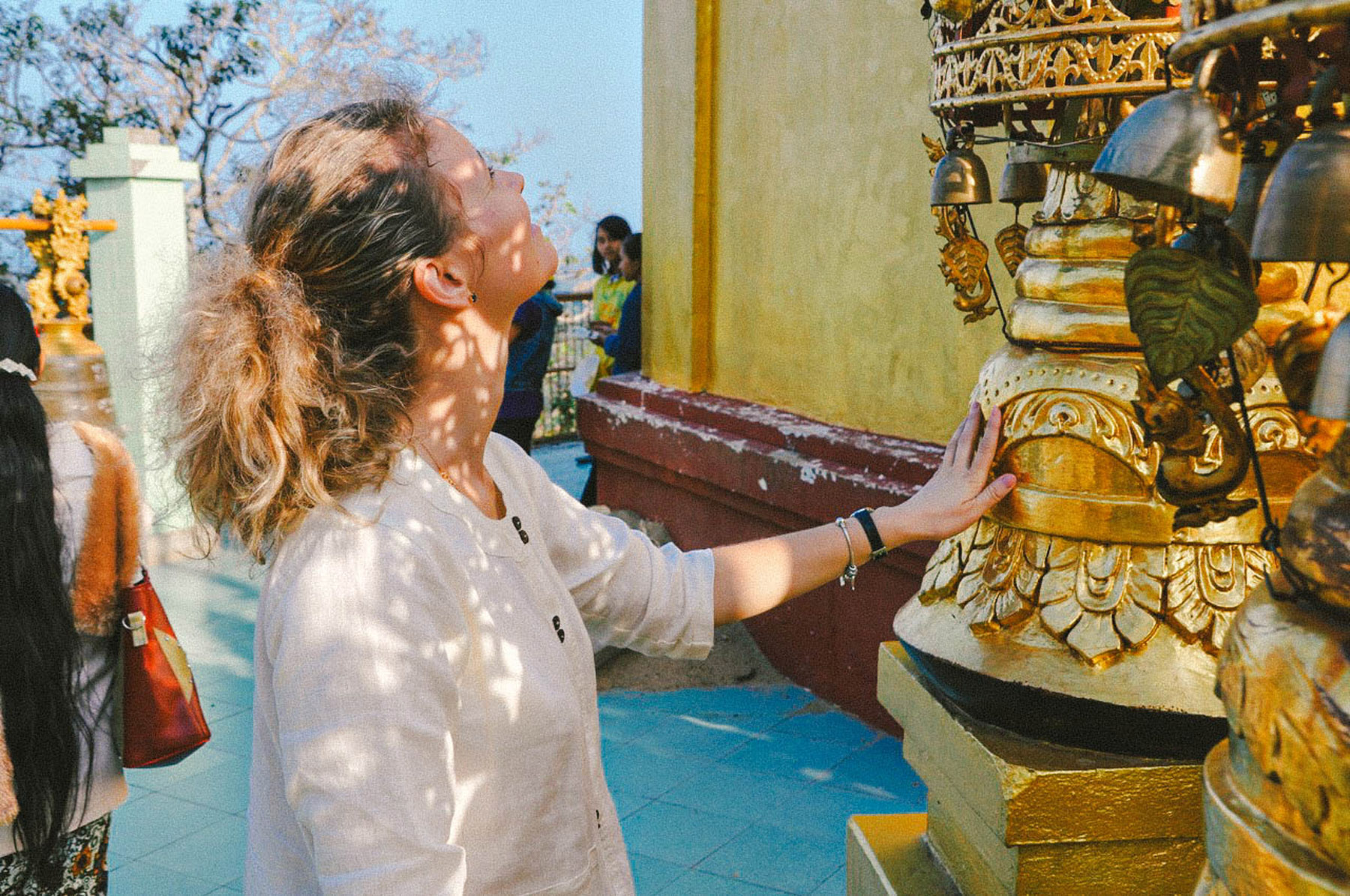
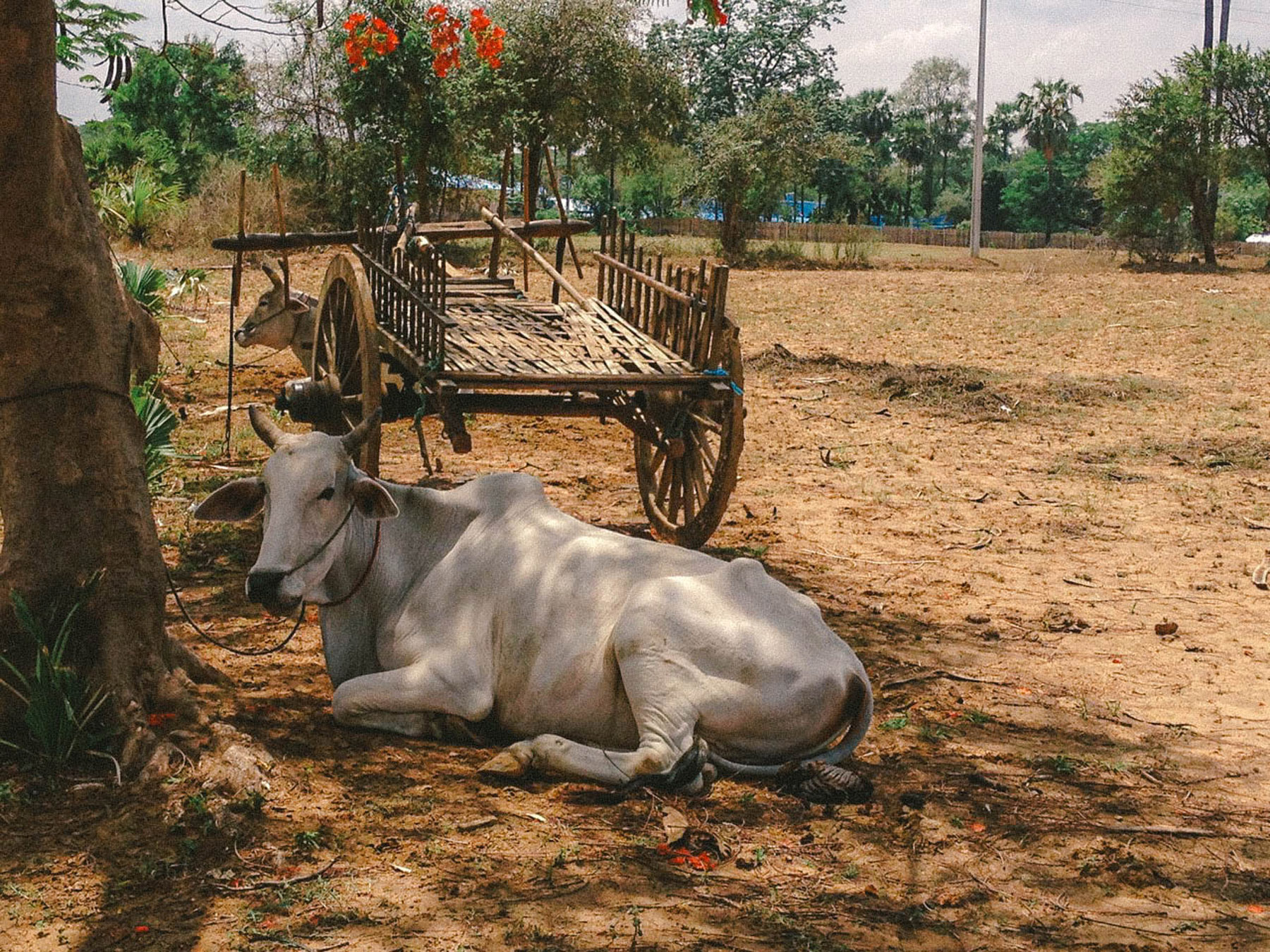
I had a very difficult relationship with this country. It was a love-hate affair. I adored her and couldn’t wait to come back; I hated her and couldn’t wait to leave; we were together and we had a long-distance relationship. I tried to understand the cultural differences between us, but I couldn’t accept the illogical things. I was full of love and gratitude and I was annoyed and irritated.
We went through all the stages, from denial to acceptance. And as usually happens, I realized what a great place it was only when I lost it.
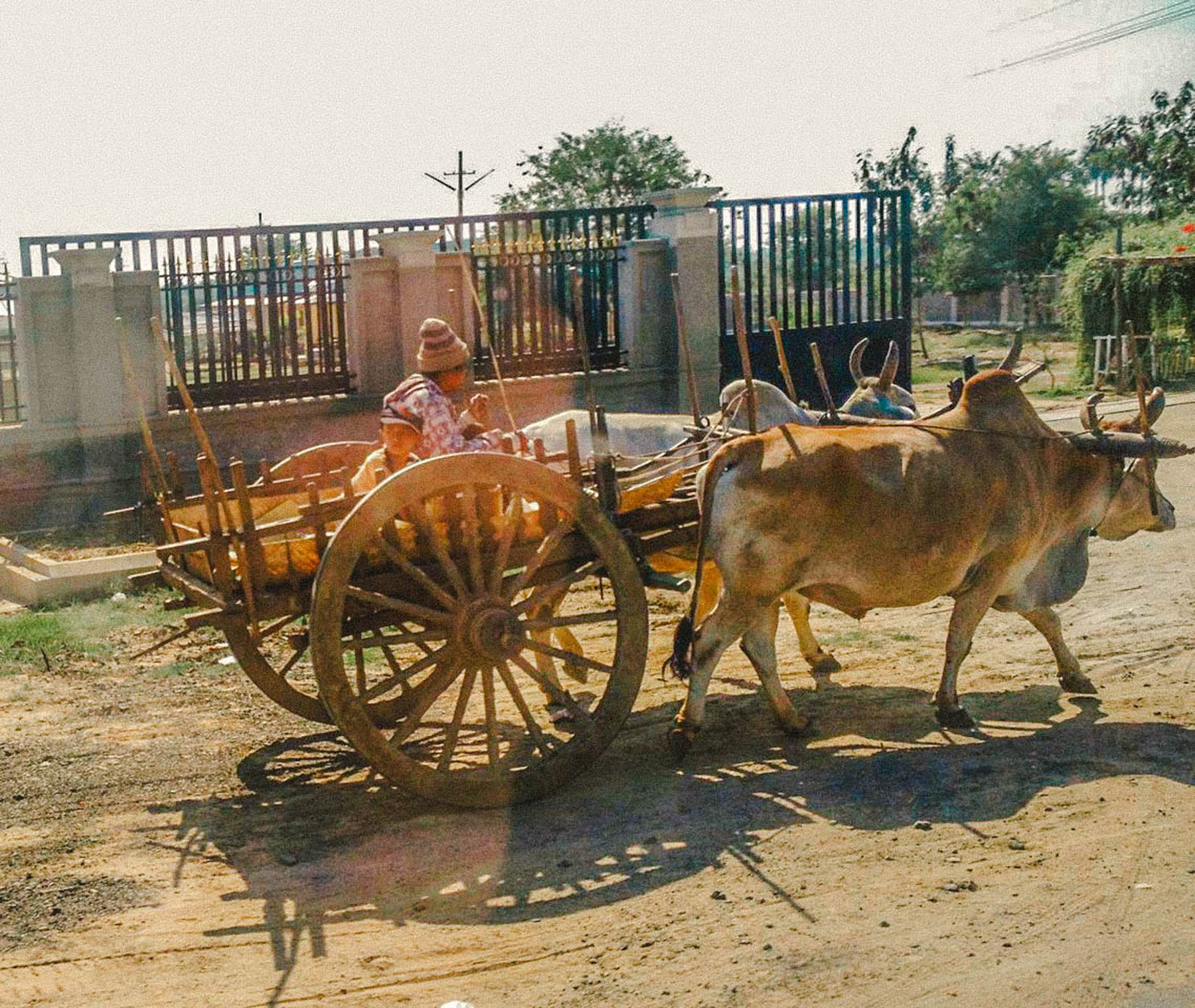
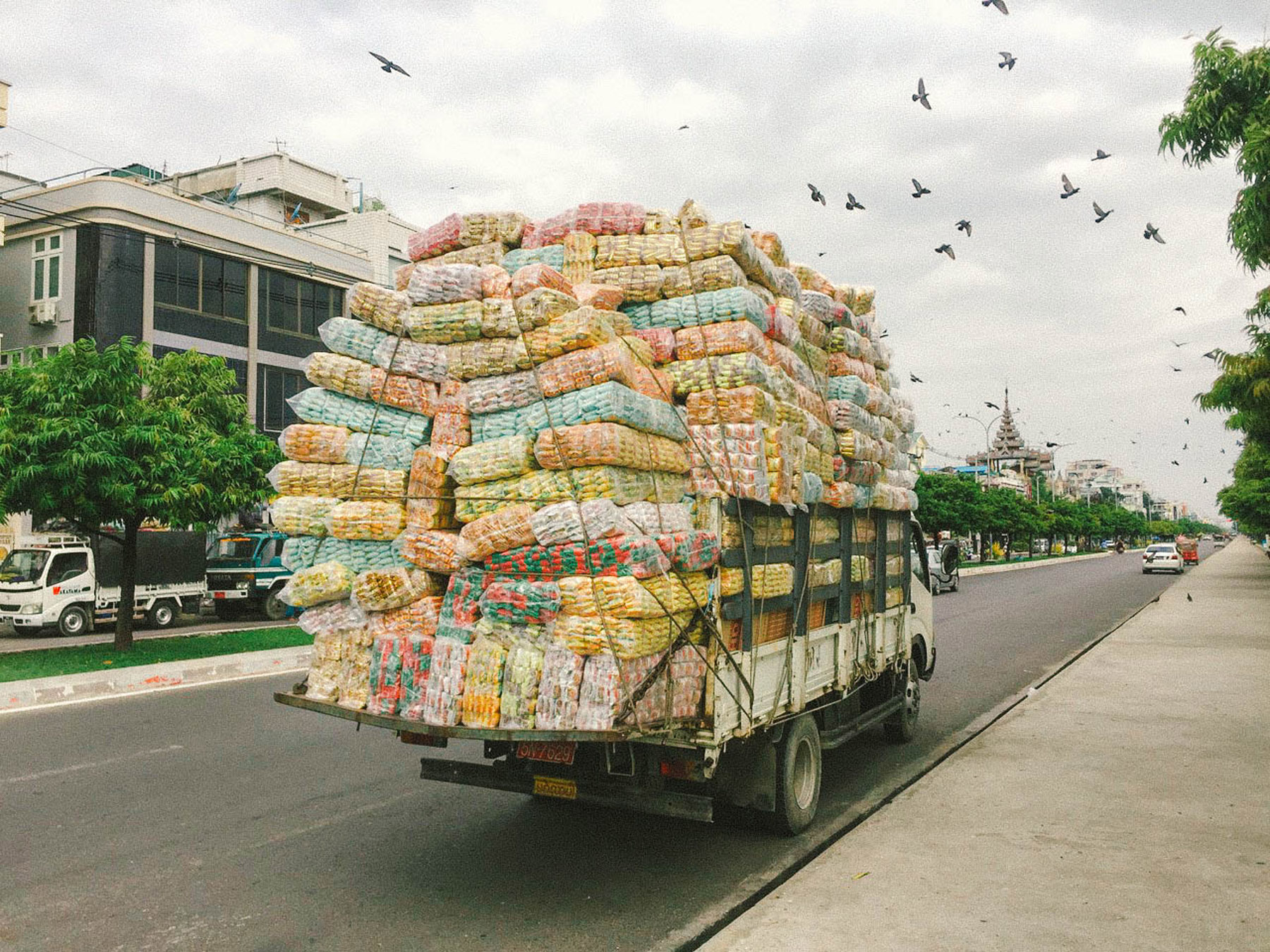
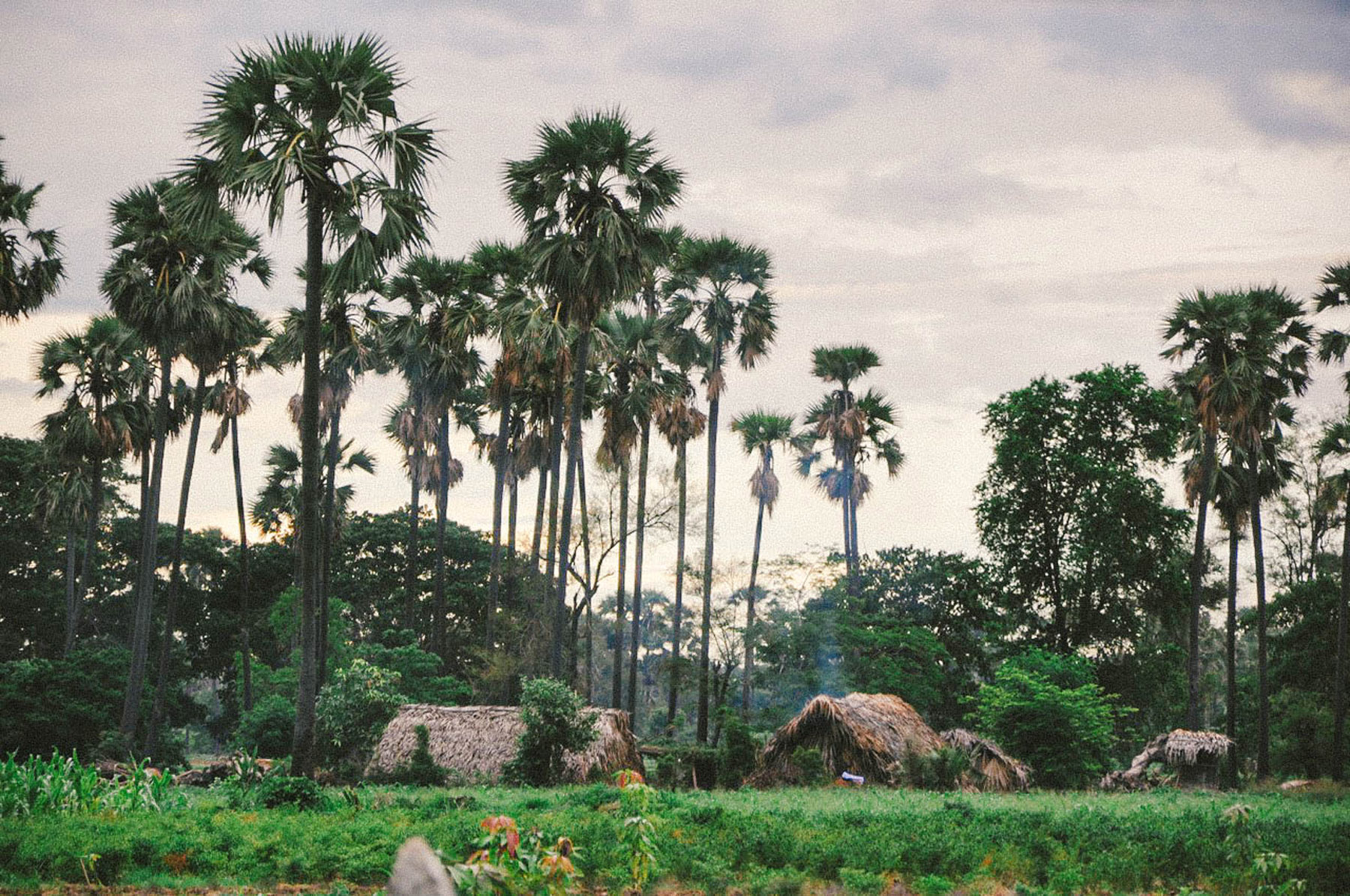
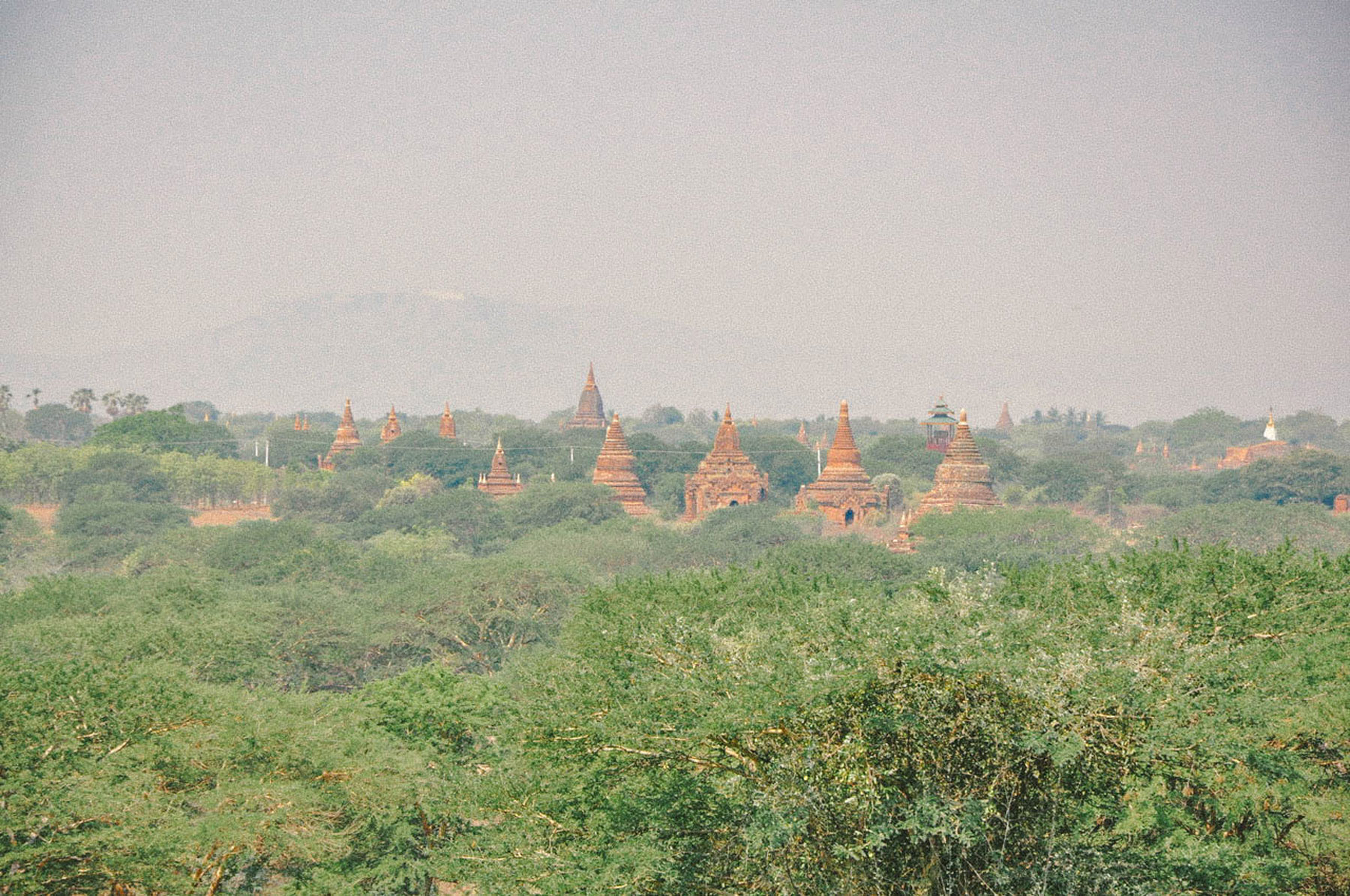
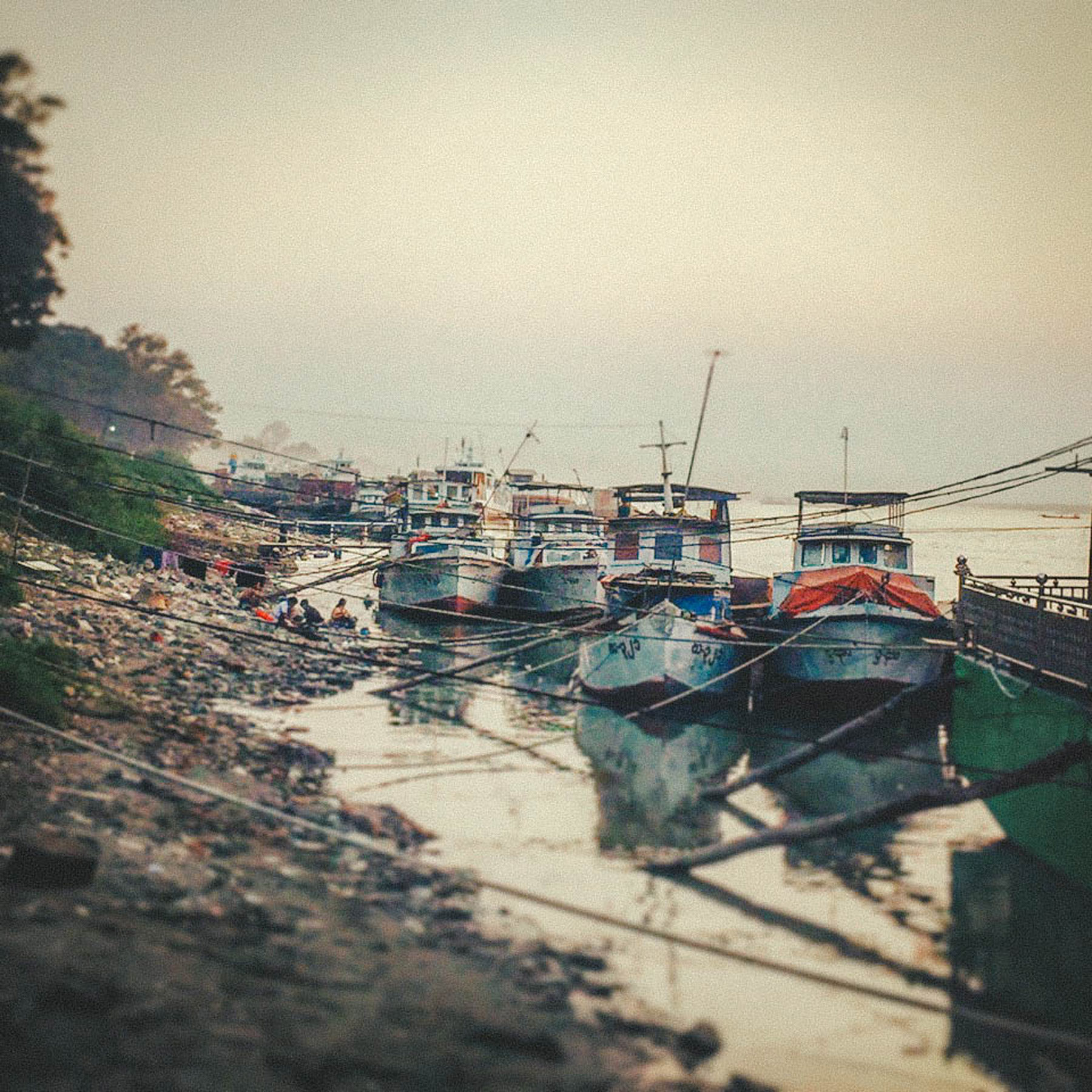
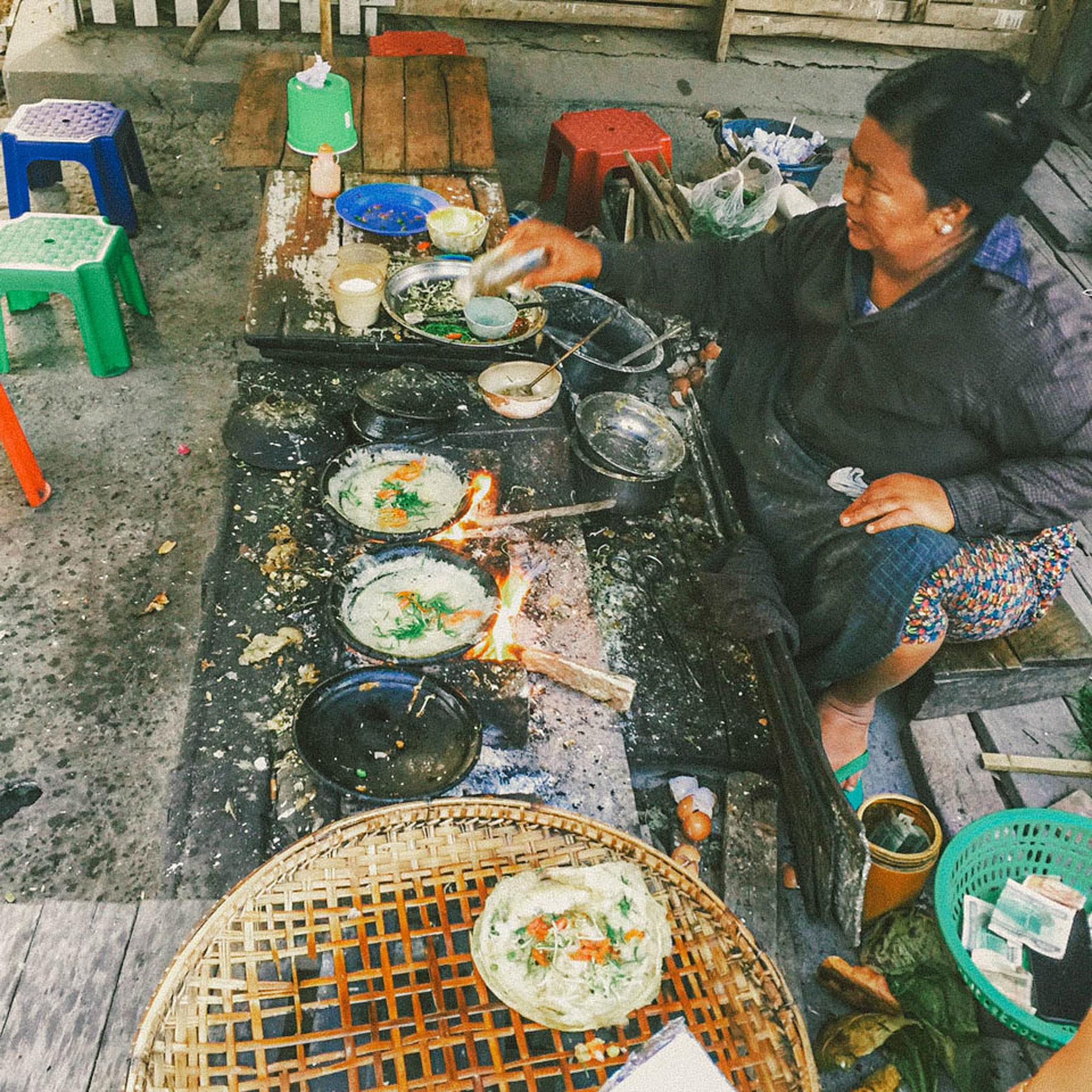
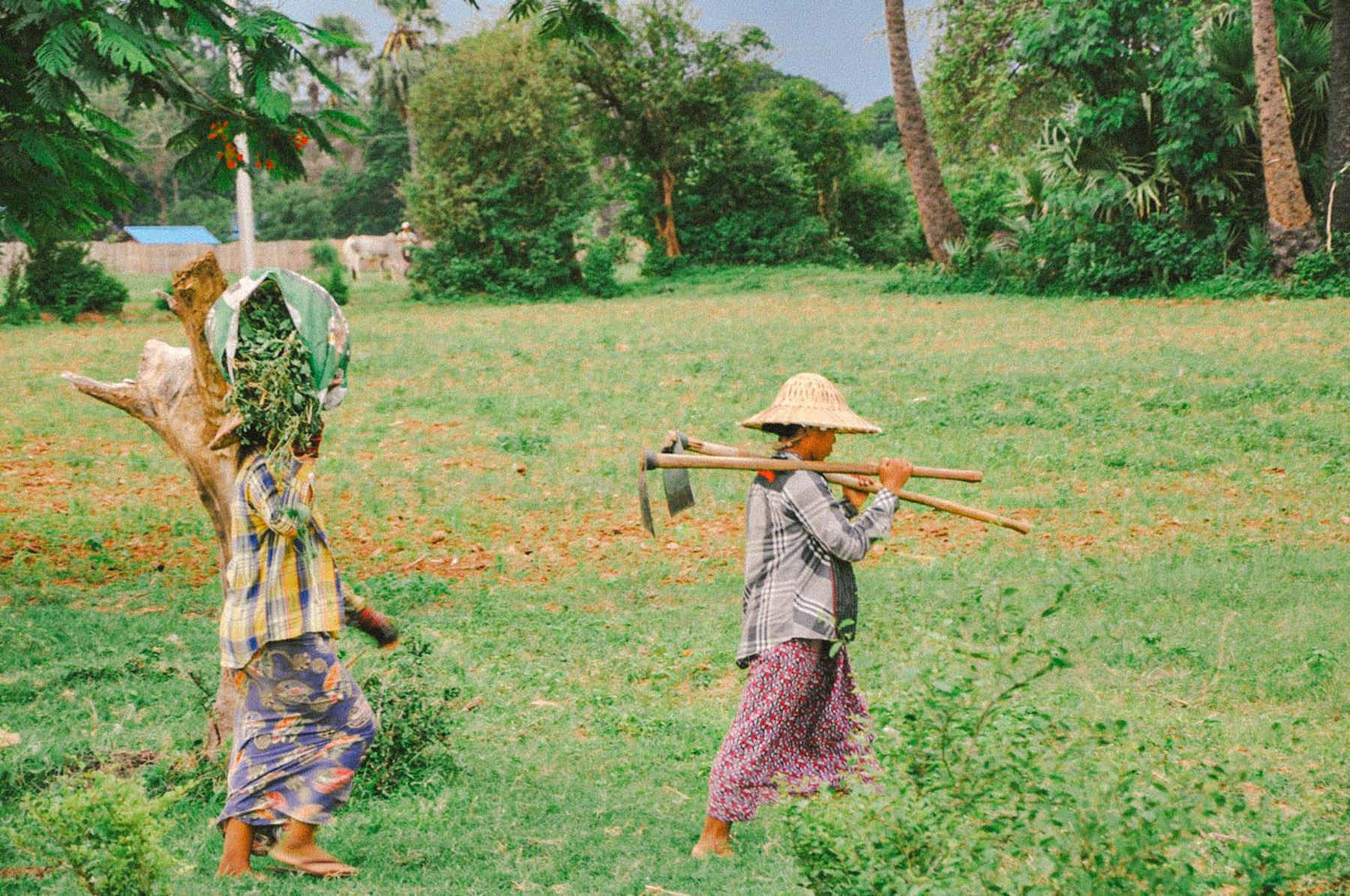
In that country, modern realities and traditional lifestyles are neighbours. On the same field, you can see a squeaking bullock cart slowly moving alongside a roaring tractor hurrying to finish the job as soon as possible. You can still take a rickshaw if taxis aren’t your preference and you don’t want to accept the modern way of doing things. A bottle of fine beer and a questionable home-made palm juice alcohol share the same shelf—whether in a supermarket or in an old-style bamboo hut. Five-star hotels and shabby bamboo houses stand side-by-side on the same street. A well-off businessman will have dinner with his clients and partners in an air-conditioned room of a glossy restaurant, but in the morning, he will leave his office discreetly to eat his mohinga soup and share the joy of a new day with the bus drivers. Girls enjoy applying both modern mascaras of famous brands and thanaka powder to their faces—both long, bushy eye-lashes and yellow powder patches seem attractive.
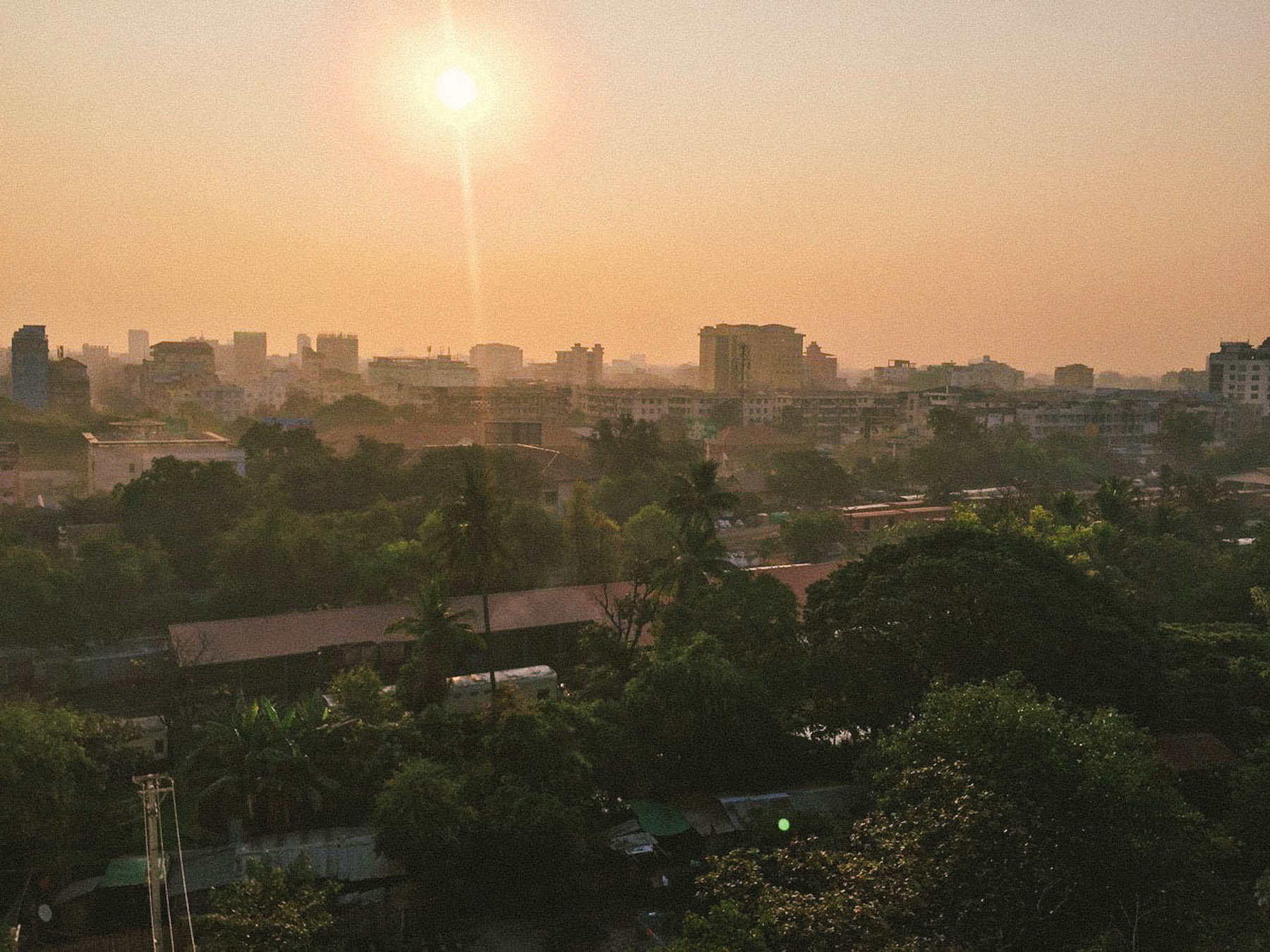
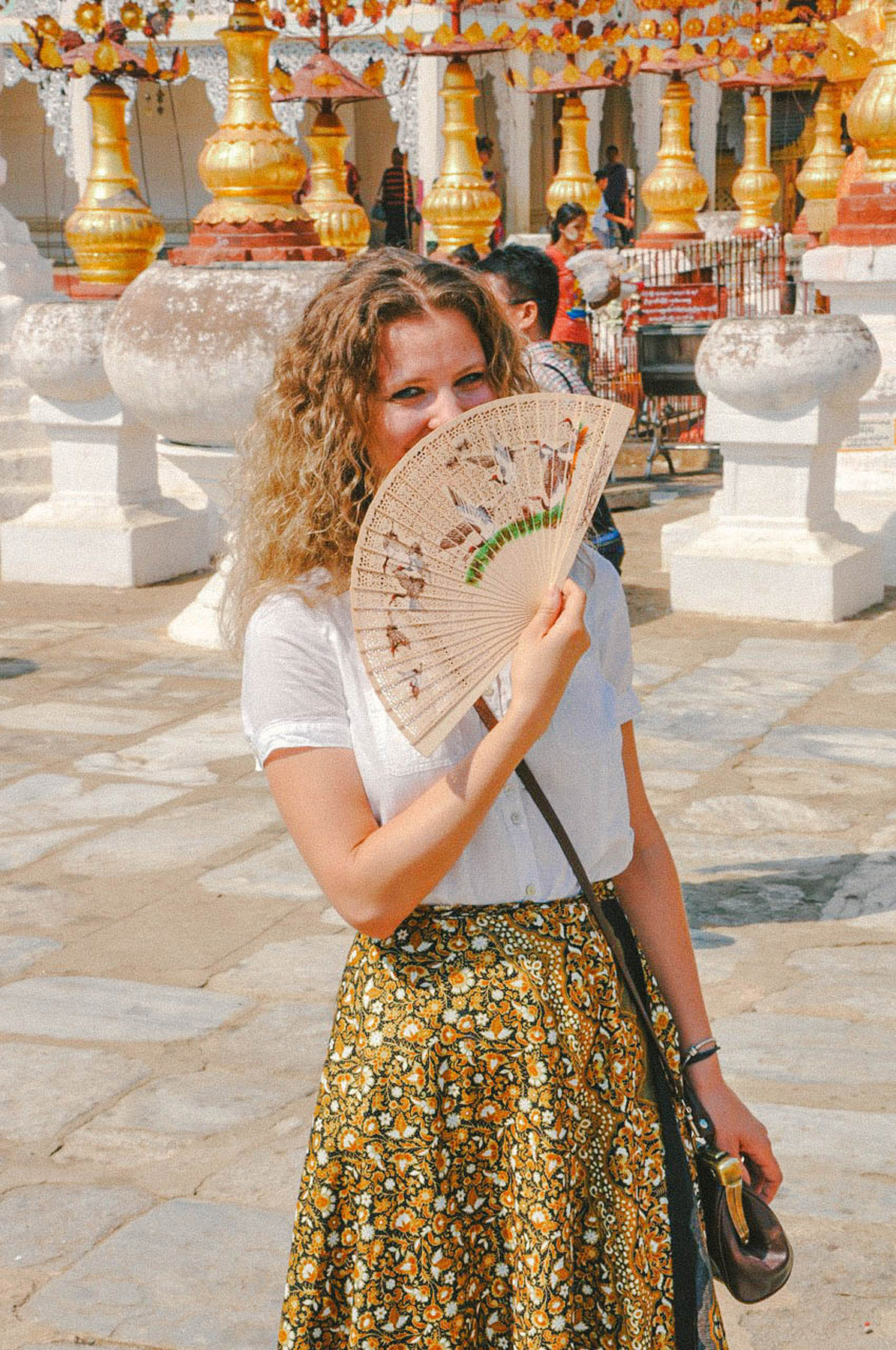
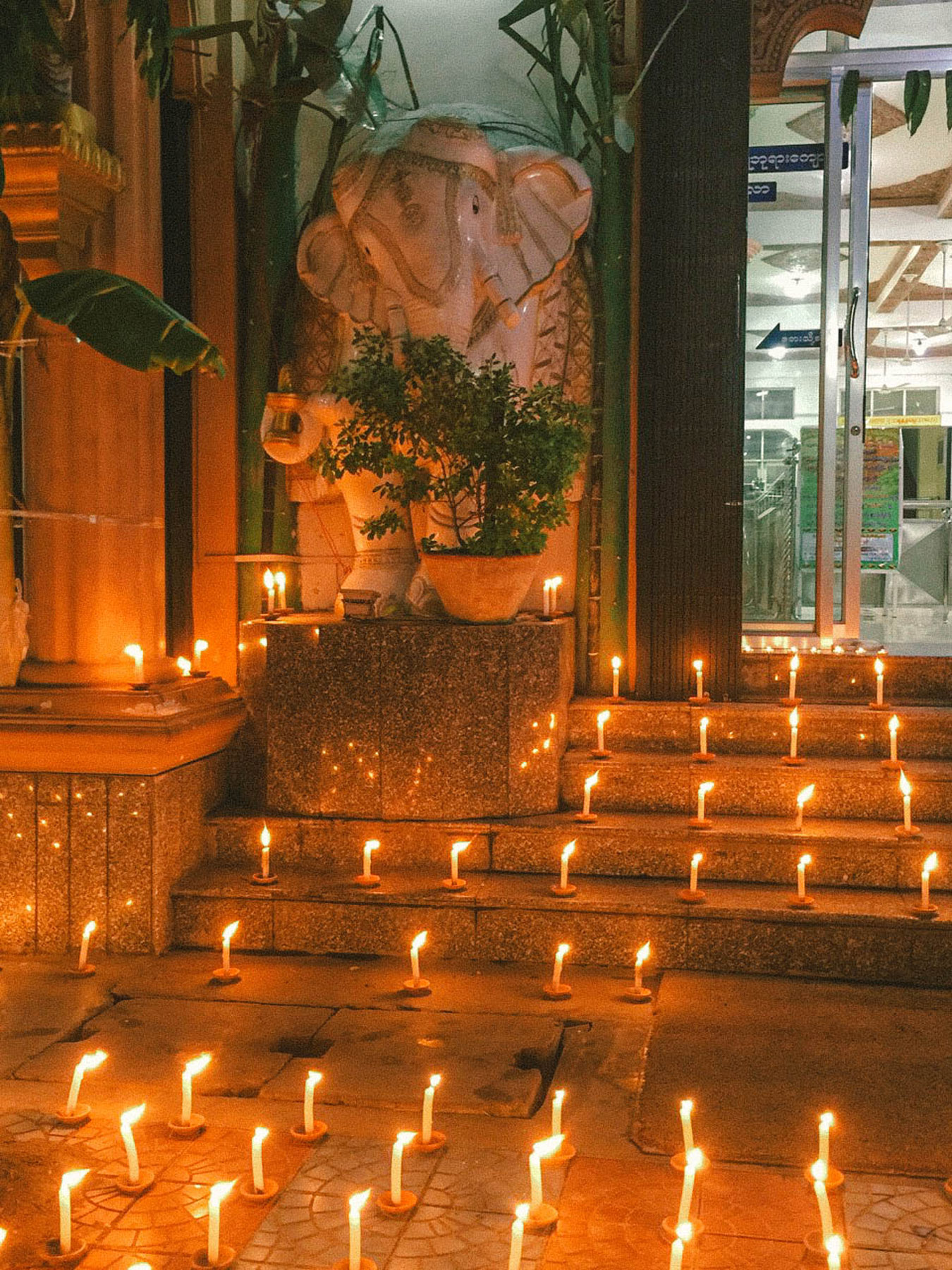
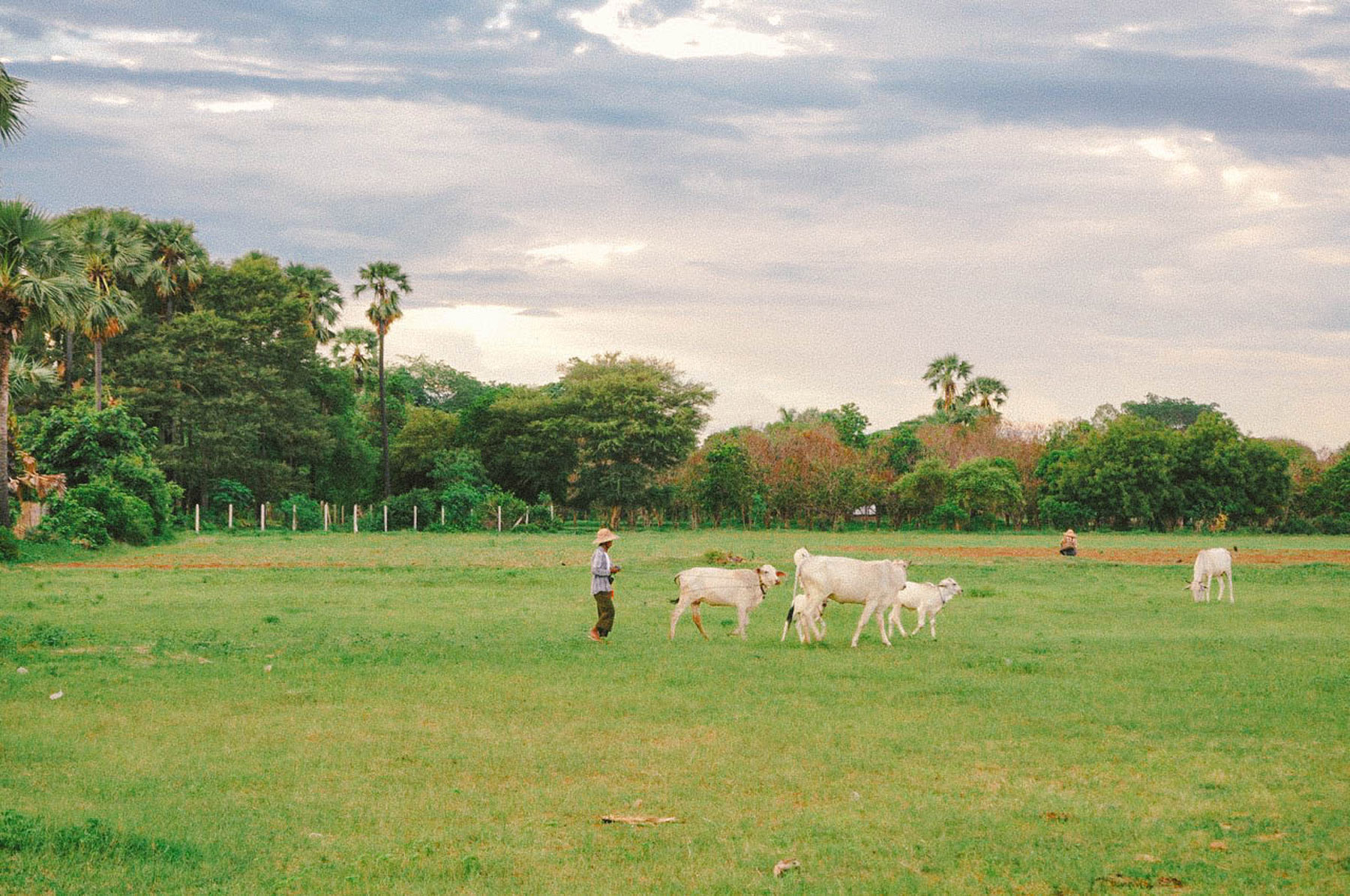
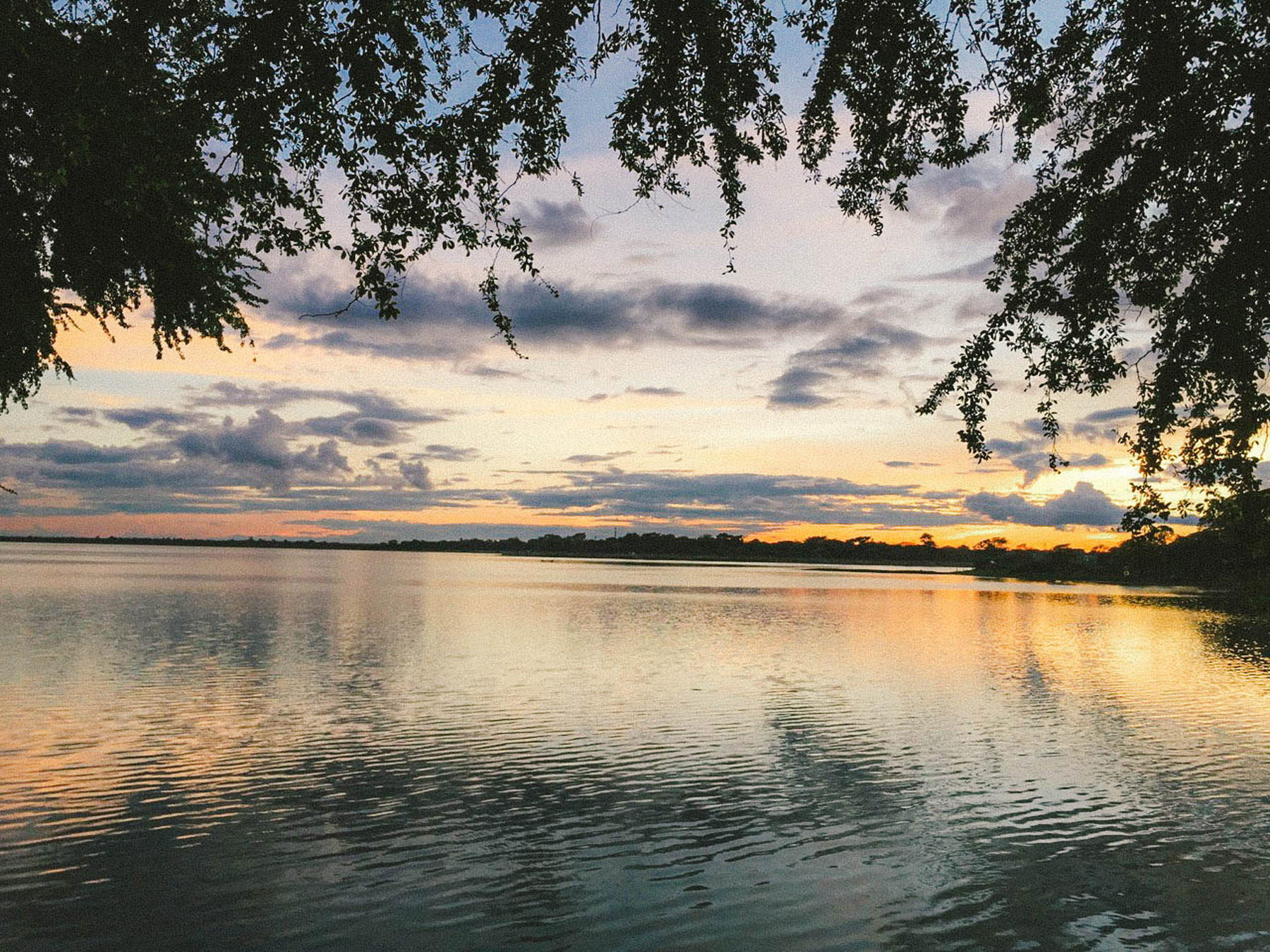
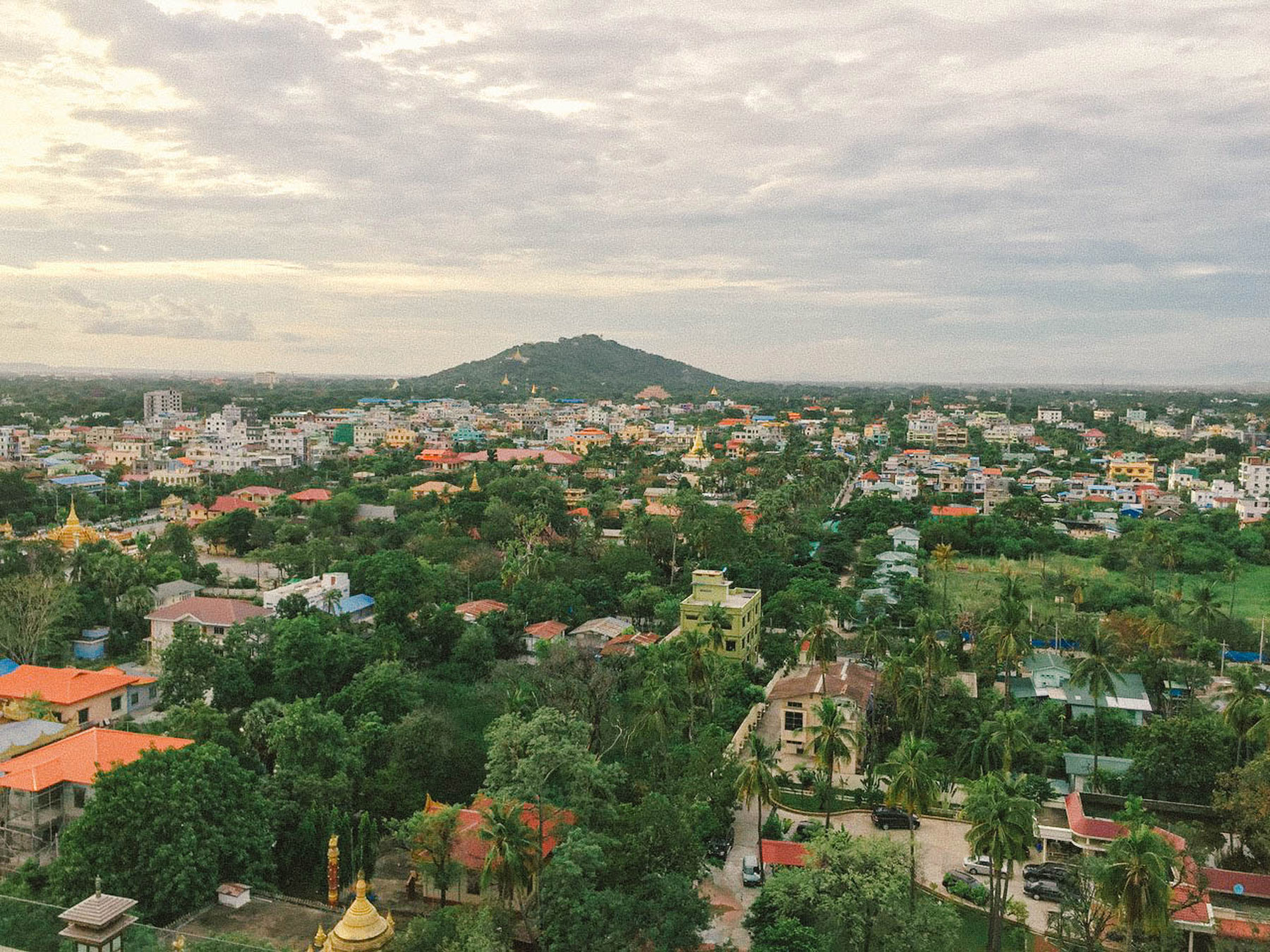
I looked outside the window. I was saying goodbye to rice fields and farmlands. I was saying goodbye to golden pagodas. I was saying goodbye to some of my dreams. I closed my eyes and remembered the first scent I smelt when I stepped into the arrivals hall of Yangon Airport for the first time: the smell of soggy carpet and jasmine soap. I could still hear in my head the first rumble of unfamiliar noises as I stepped outside into Myanmar’s sticky heat. I could clearly feel the taste of rice tea and mohinga fish soup in my mouth. It was nine years ago.
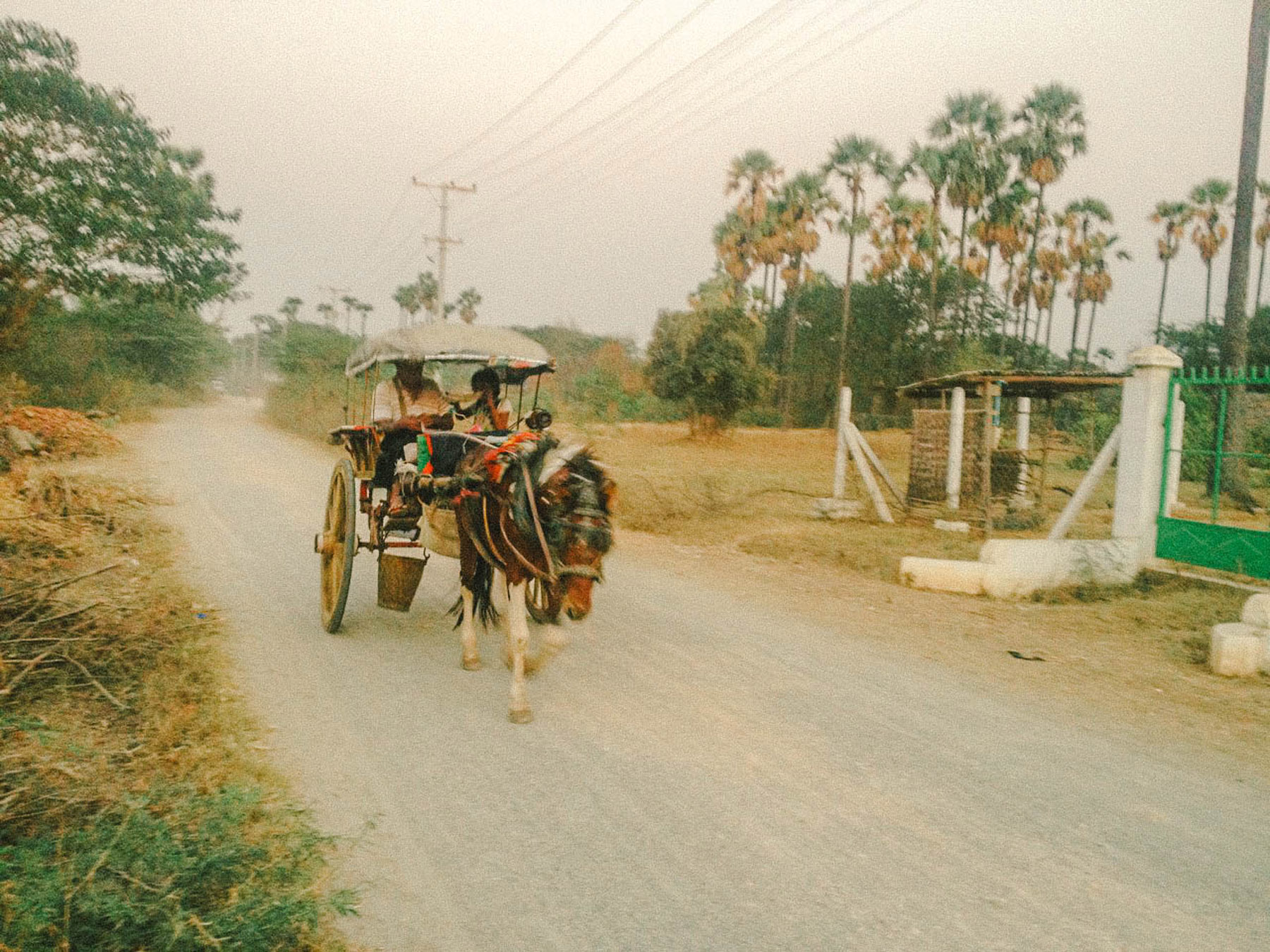
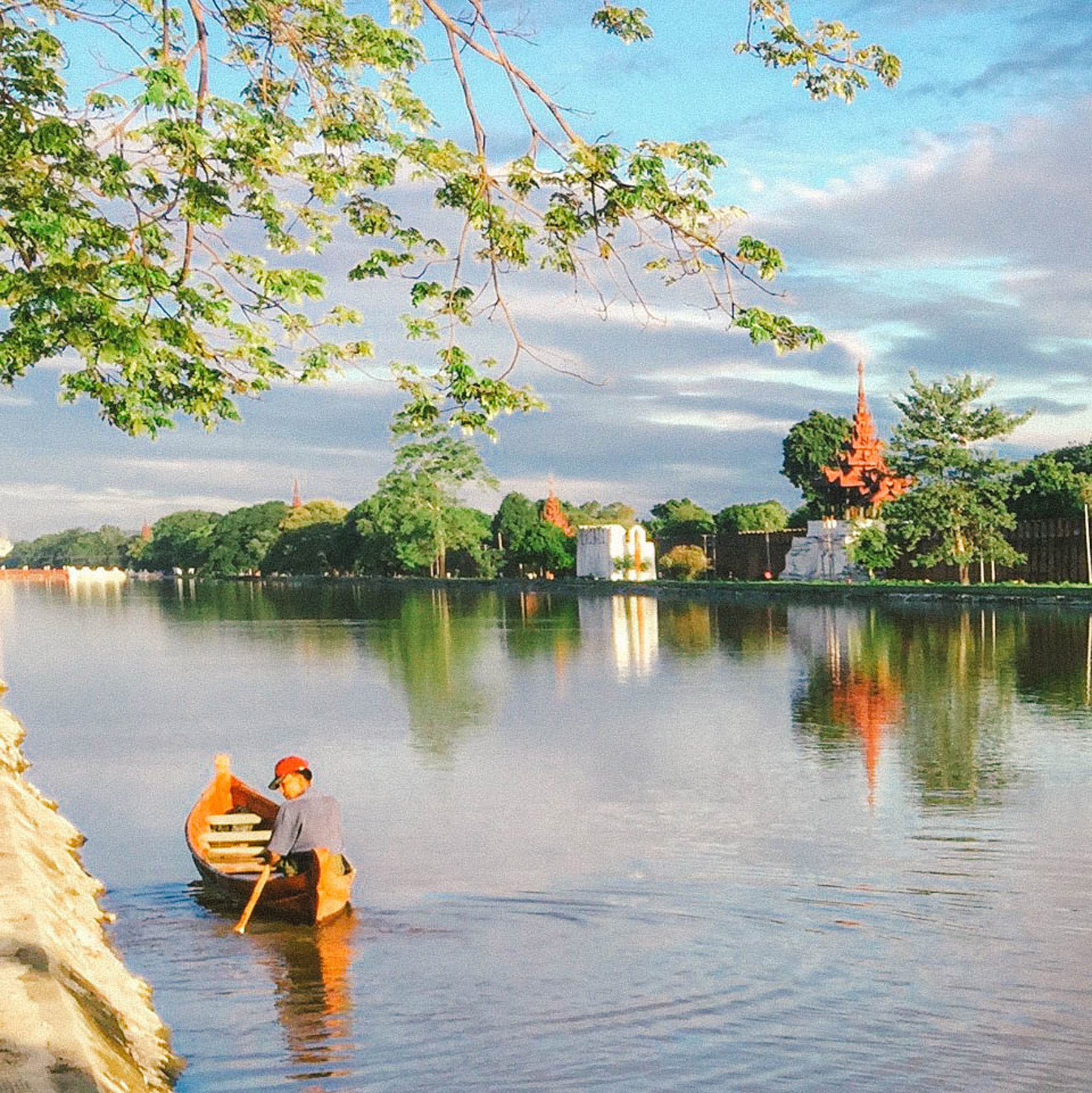
This country can be stubborn and ill-tempered; she can be hospitable and warm. Sometimes I felt she had accepted me—but the next moment, I found myself behind her closed doors. It was challenging at times. Sometimes I left her, slamming the door behind me—but I always wanted back. And she always welcomed me. But this time, it was the last time.
I was crying, but her March eyes were still dry. She was holding back her tears, saving them to burst out with the heavy rains in late April.
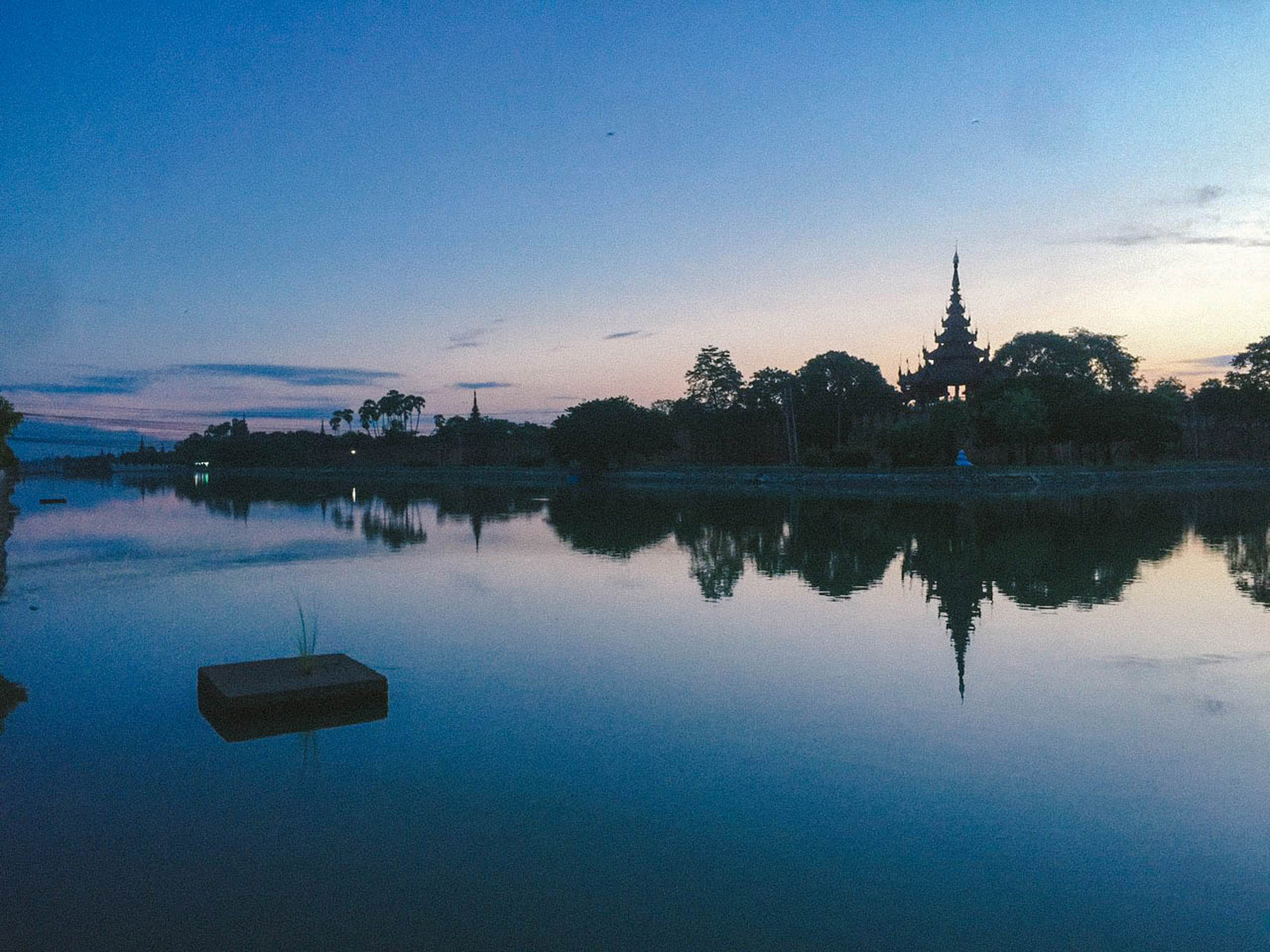
It was the final goodbye. I had nothing else to say—and yet I wanted to say so much. I wanted to say how sorry I was that I had to flee so cowardly out of the country. I wanted to reassure her that I was still worried about my friends and colleagues I’d left behind. I had so many questions to ask.
But by then, our plane had reached cruising altitude. The pilot switched off the “Fasten Your Seatbelt” sign. We were leaving the skies of Myanmar at a speed faster than my broken heart could handle.
I looked around—and at that moment, I realized: I wasn’t alone in my sorrow and worries. There were 200 other passengers whose hearts were throbbing as painfully as mine.
ELENA SEROSHTAN is a travel writer and translator who drifts between countries the way some people drift through dreams. She spent about six years in Myanmar, a place that never quite let her go. Her essays explore the hidden side of travel — the emotional aftershocks that arrive only when the journey is over. She writes about cultural transitions, memory, and the small details that stay with us long after we leave a place. Originally from Russia and now based in Slovakia, she is currently working on a book of essays about Myanmar and the way it changed her.
Instagram: @my_burmese_days_diary | @seroshtanka
Substack: https://elenaseroshtan.substack.com/