
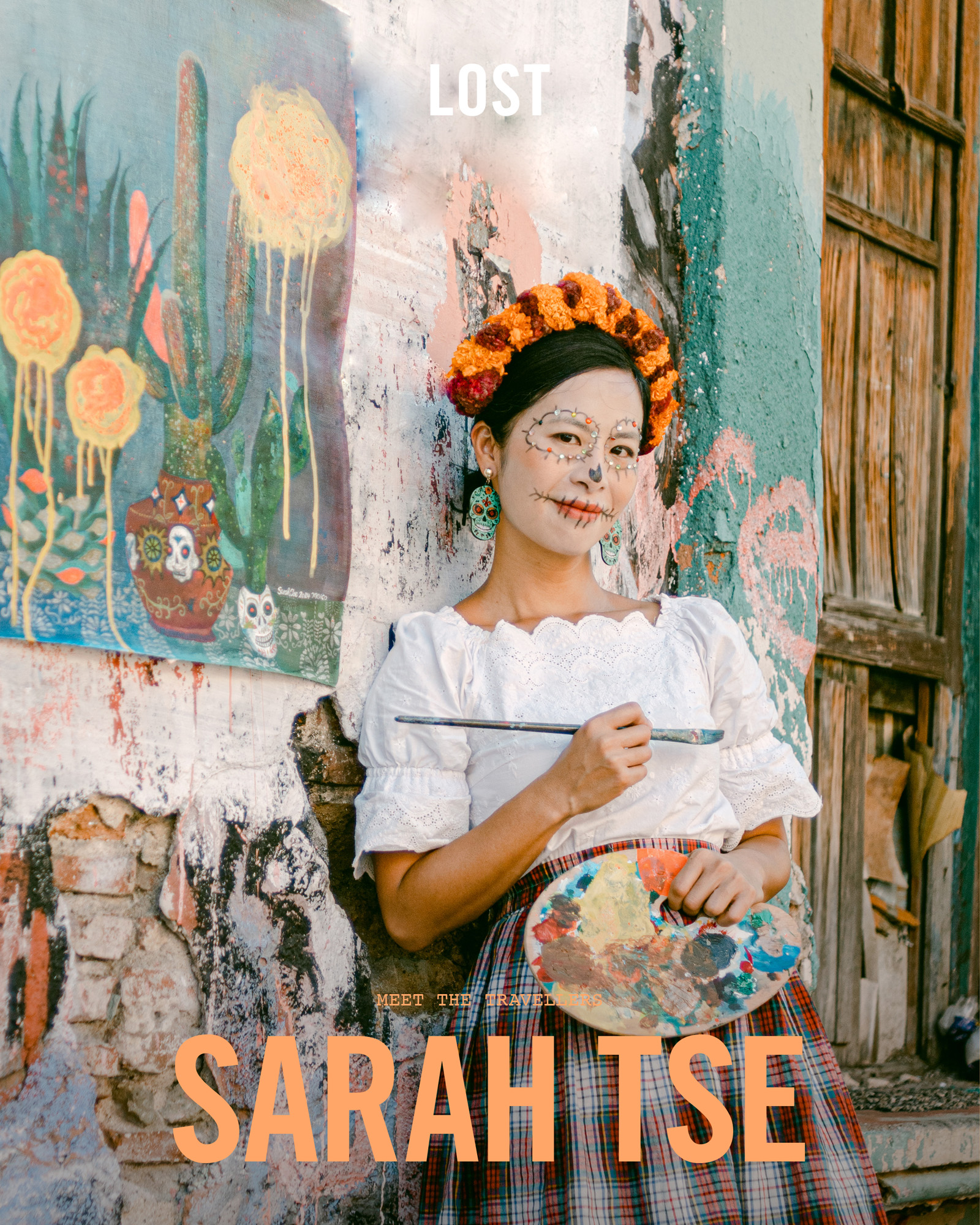
MEET THE TRAVELLERS:
SARAH TSE
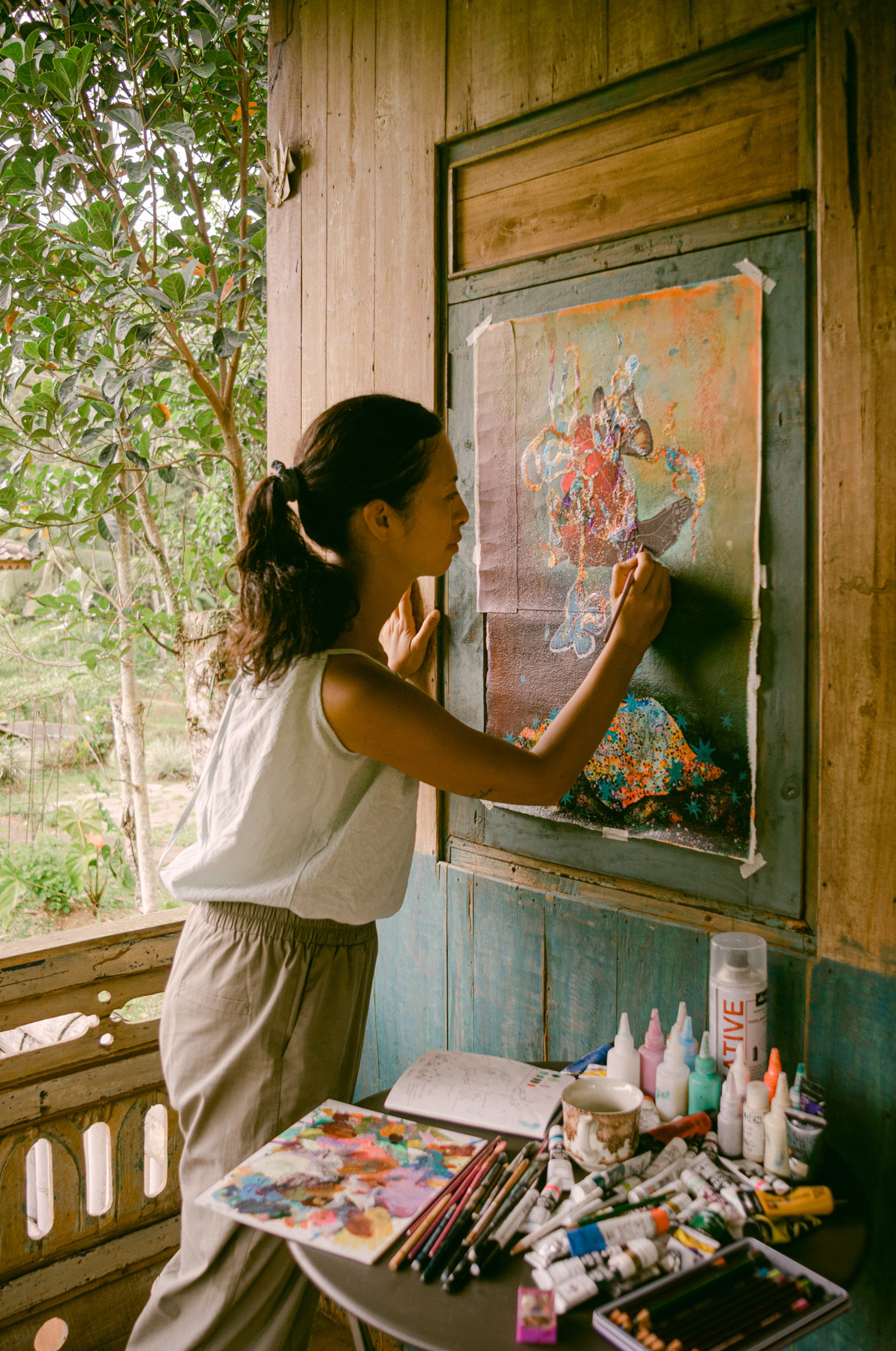
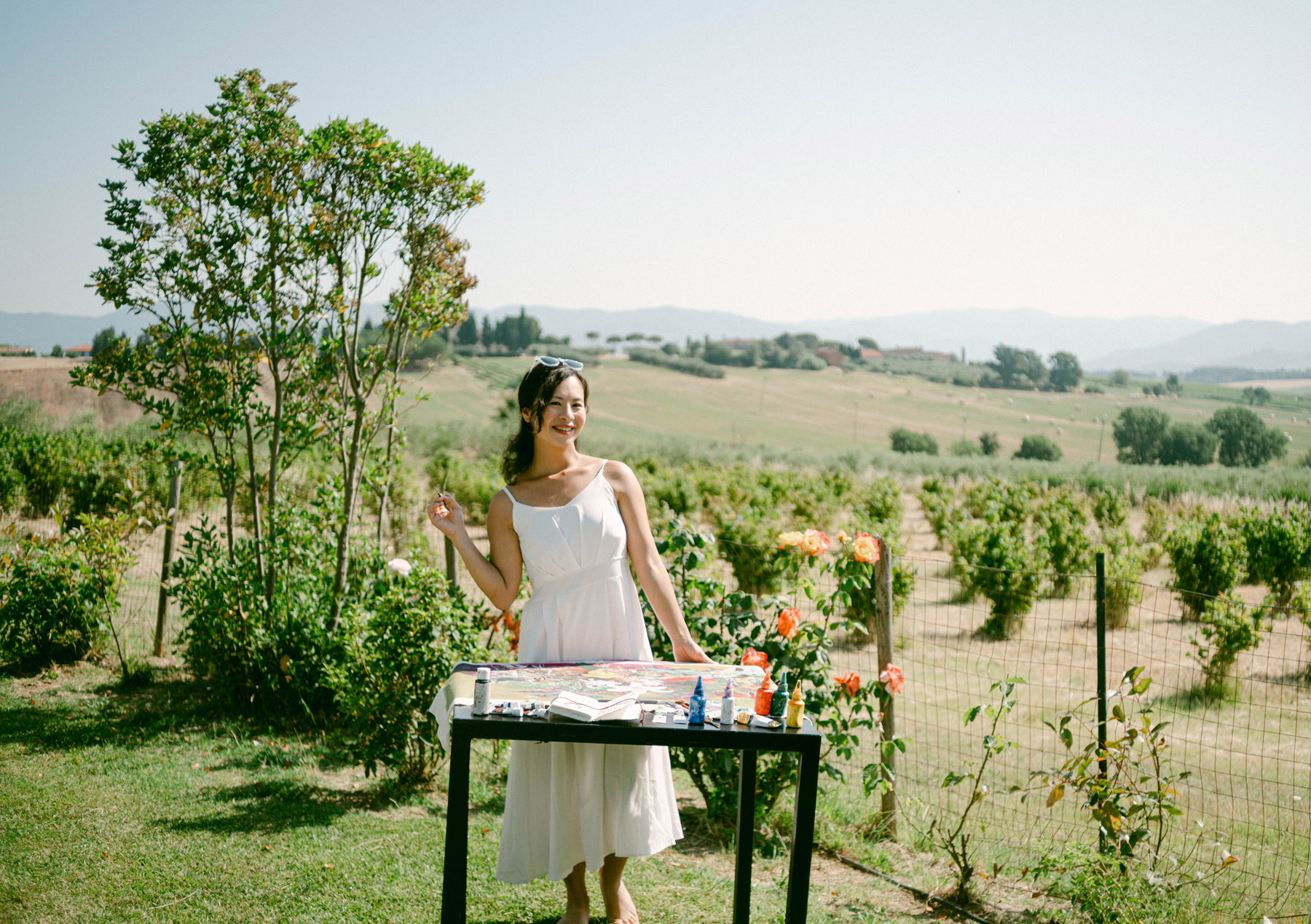
Nomadic mixed-media artist Sarah Tse has turned the world into both her home and her studio. Traveling solo full-time since 2023, she moves fluidly between cultures—from the forests of Finland to safaris in Africa—drawing inspiration from the people she meets and the environments she immerses herself in. Rather than passing through places as a tourist, she lives alongside locals, capturing the emotional essence of everyday moments and translating them into her art. In this interview, she shares how life on the road has shaped her creative practice, perspective, and sense of freedom.
Tell us about your life as a nomadic artist!
I have been traveling solo full-time since 2023. I’ve been moving around my whole life—I grew up in Hong Kong, went to high school and university in the UK, then moved to New York City for seven years and spent another five years in Shanghai. I’m used to living in different countries, and I love it. I guess I have ADHD and can’t sit still in one place. Moreover, I love exploring new cultures and meeting people from all over the world. Traveling has always been something I really enjoy, but I wanted to live in different places rather than hop from one tourist site to another. Living with locals and experiencing new lifestyles are the reasons why I chose to become a nomad—I never plan what to do; I just let the destination surprise me.
I’m someone who gets bored easily—doing the same thing every day feels suffocating to me. I crave new experiences that stimulate my mind and keep me curious about the world. Living and creating in different places allows me to understand people’s stories and emotions across cultures; these human connections and feelings have always been the essence of my art.
As a nomadic artist, how do you plan each trip?
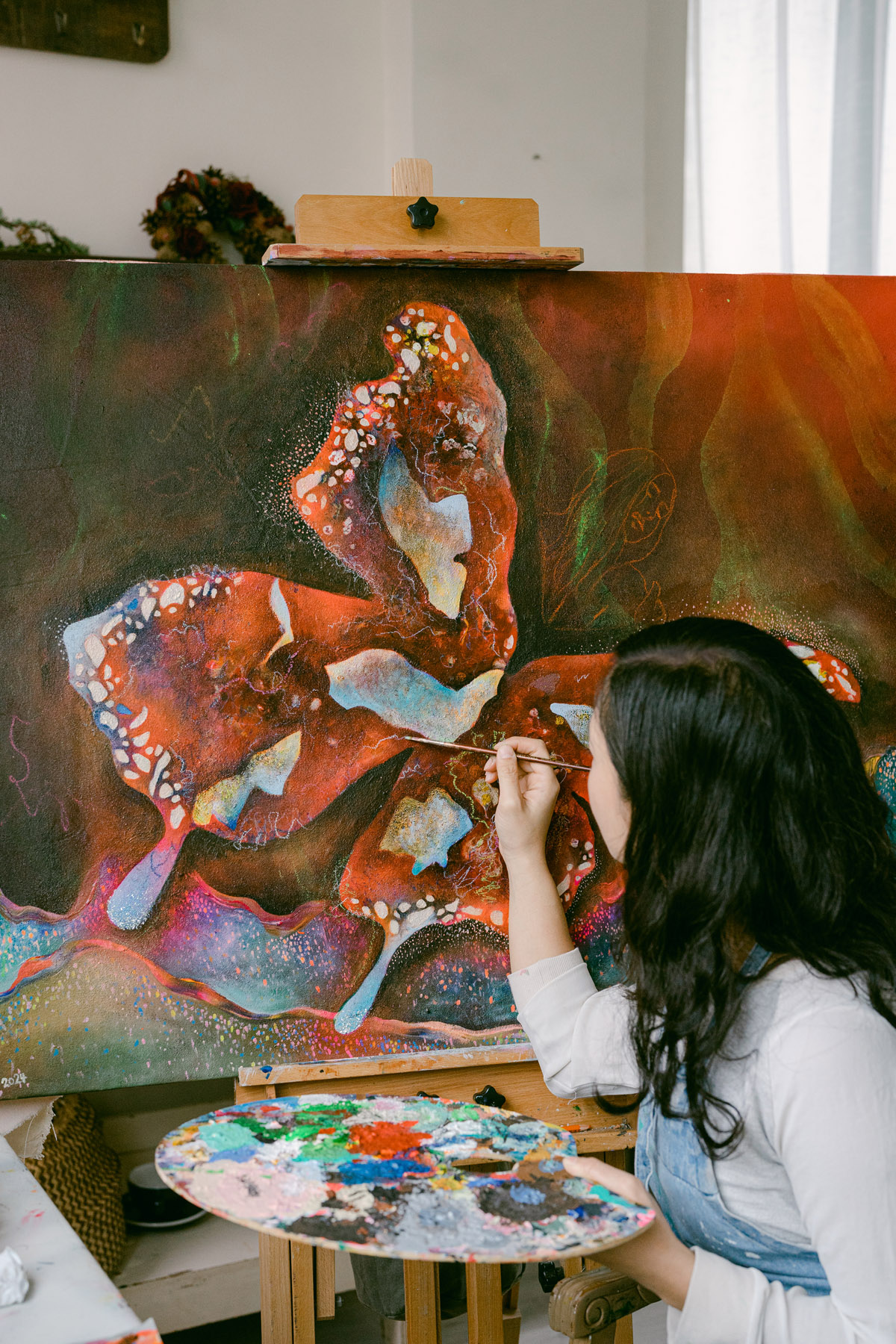
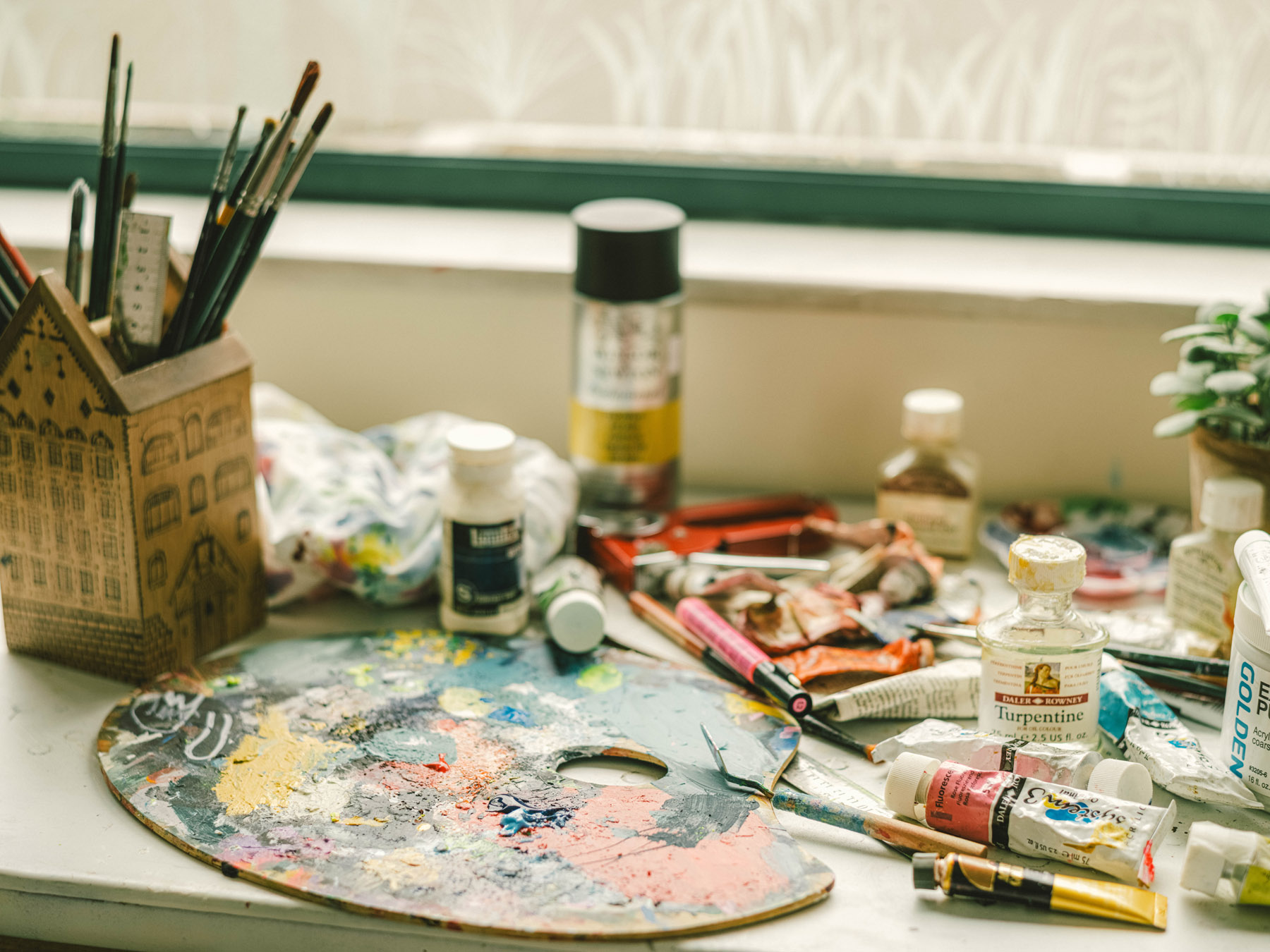
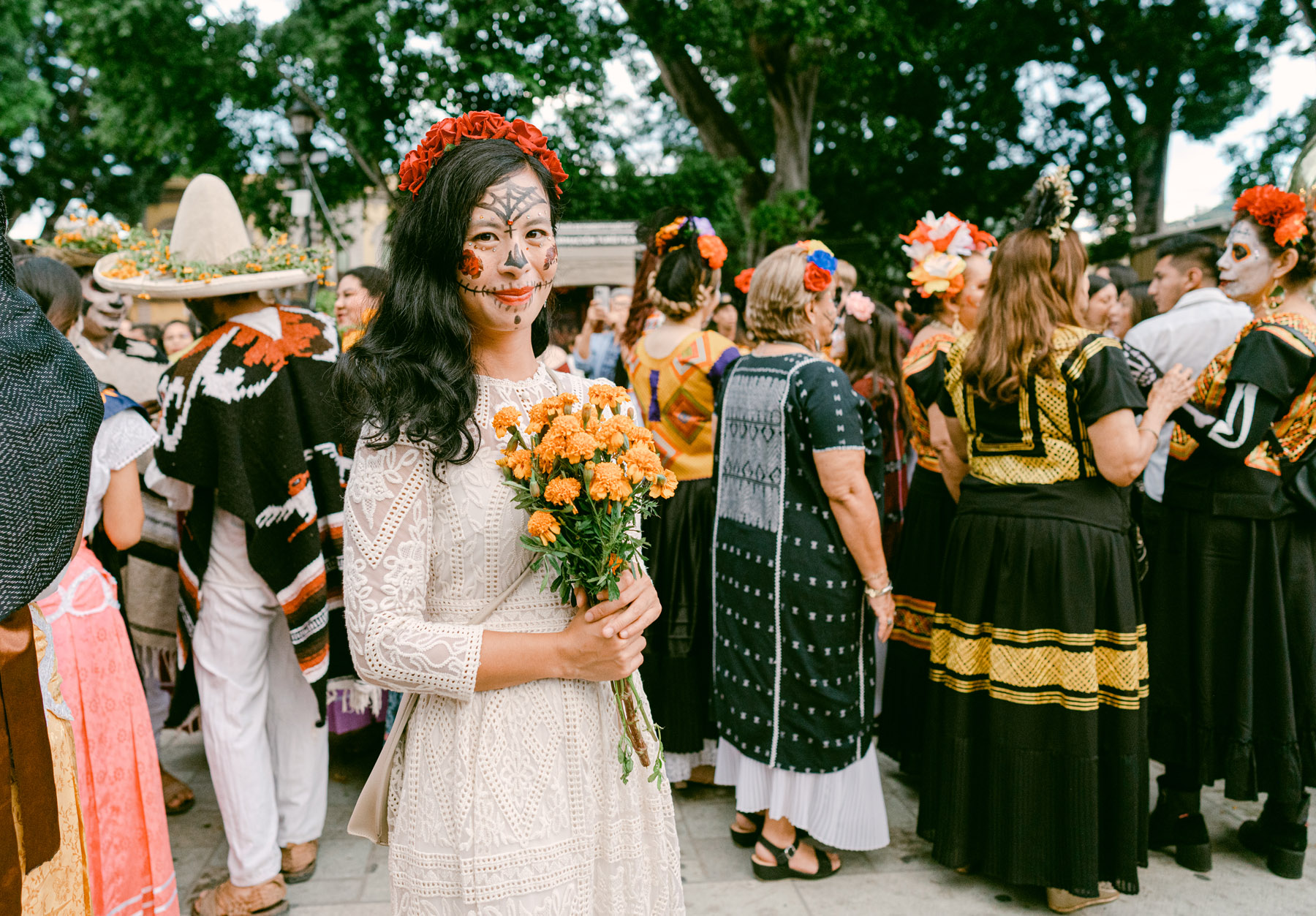
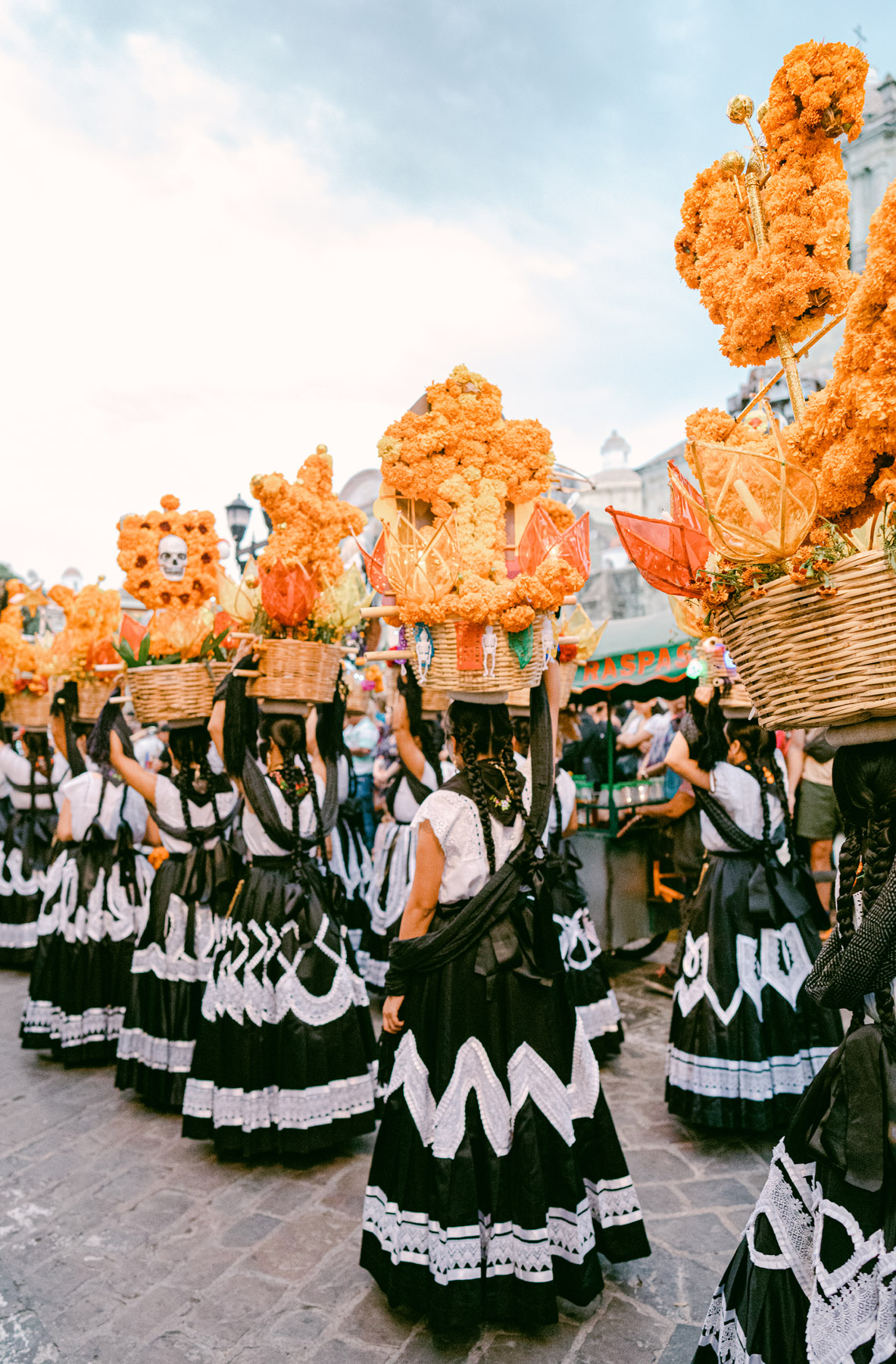
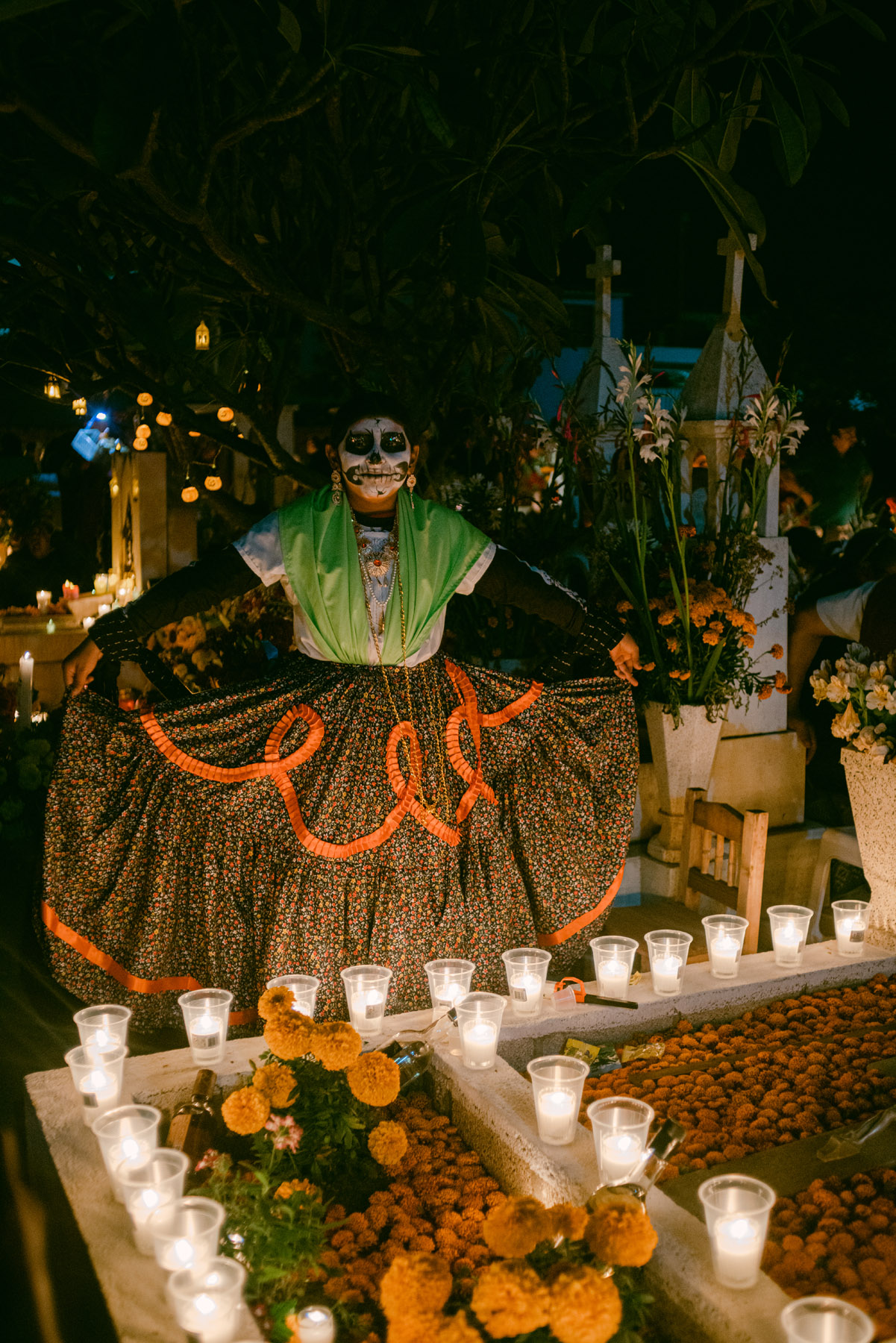
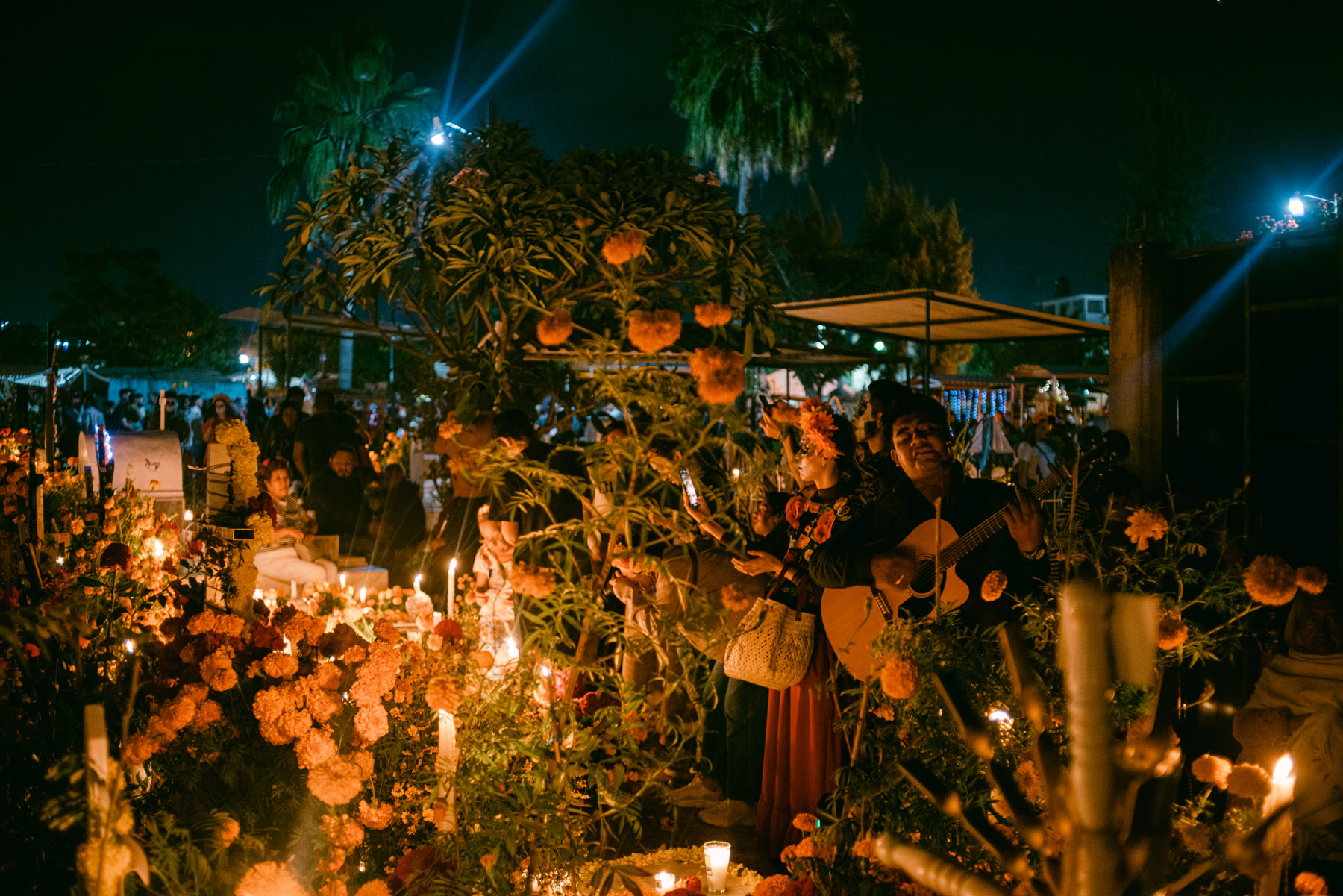
I don’t really plan unless there is a special event I must attend, such as the Day of the Dead in Mexico. I just buy a one-way ticket and book the first few nights of accommodation then I will see how I like the place. I tend to pick destinations with a rich culture and long history, or a lot of nature where I can be close to trees and animals. I only pack a few clothes, a camera with two lenses, paint brushes, acrylic paint, a few primed canvases and some Asian spices and sauces. Then I am good to go. I can always buy whatever I need when I arrive.
Speaking of the Day of the Dead, I had been really fascinated by the Disney animation Coco, so I knew I had to experience it in Oaxaca at least once in my lifetime. Turns out, it was one of the best memories of my life. Apart from all the parades and parties on the streets, the locals had this tradition to drink tequila and dance at their ancestors’ graves overnight. I had never been to anyone’s grave and especially not at night. All the tombs were decorated with marigold flowers, and the whole cemetery was transformed into a big party filled with music and dance!
How has nomadic life influenced your art style?
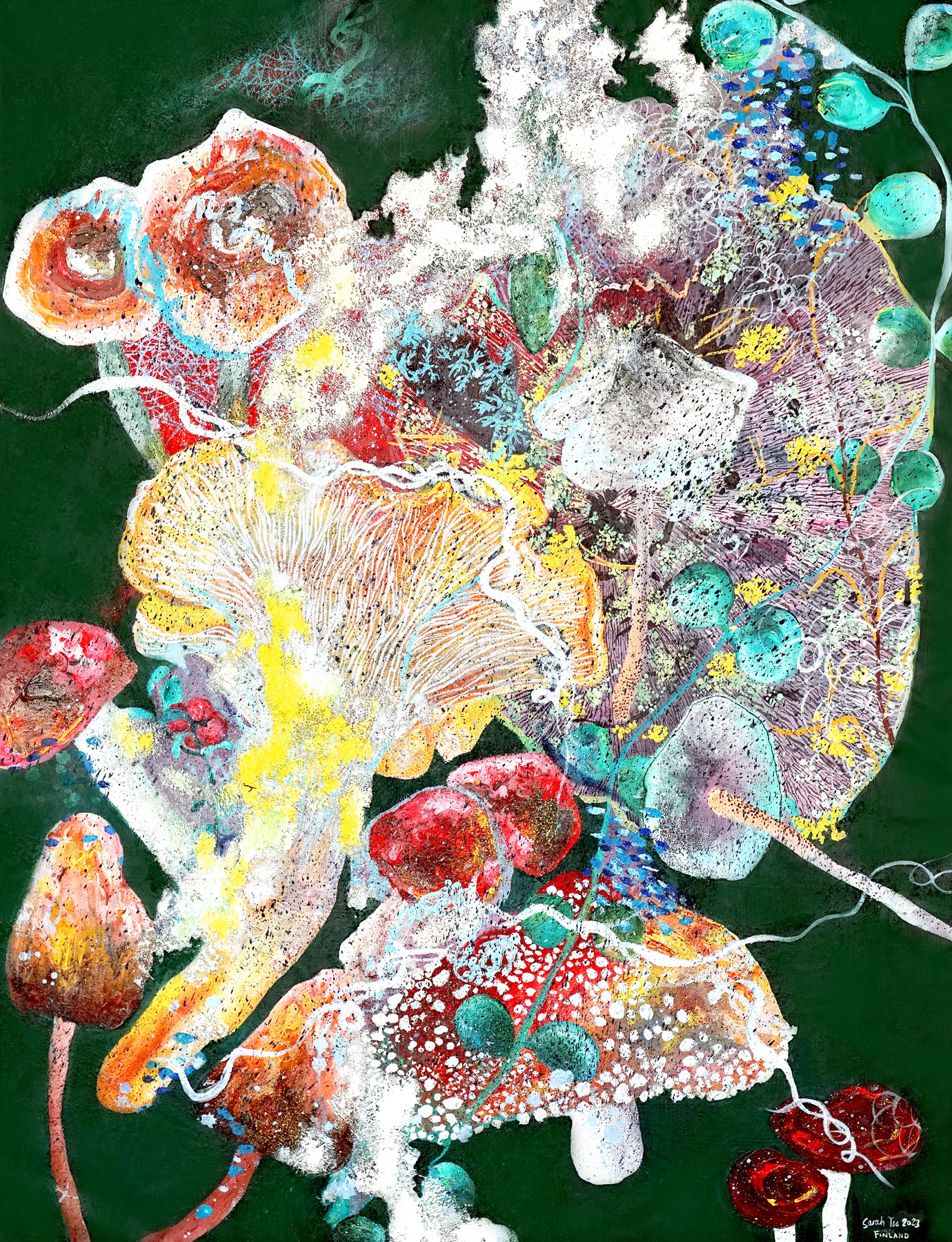
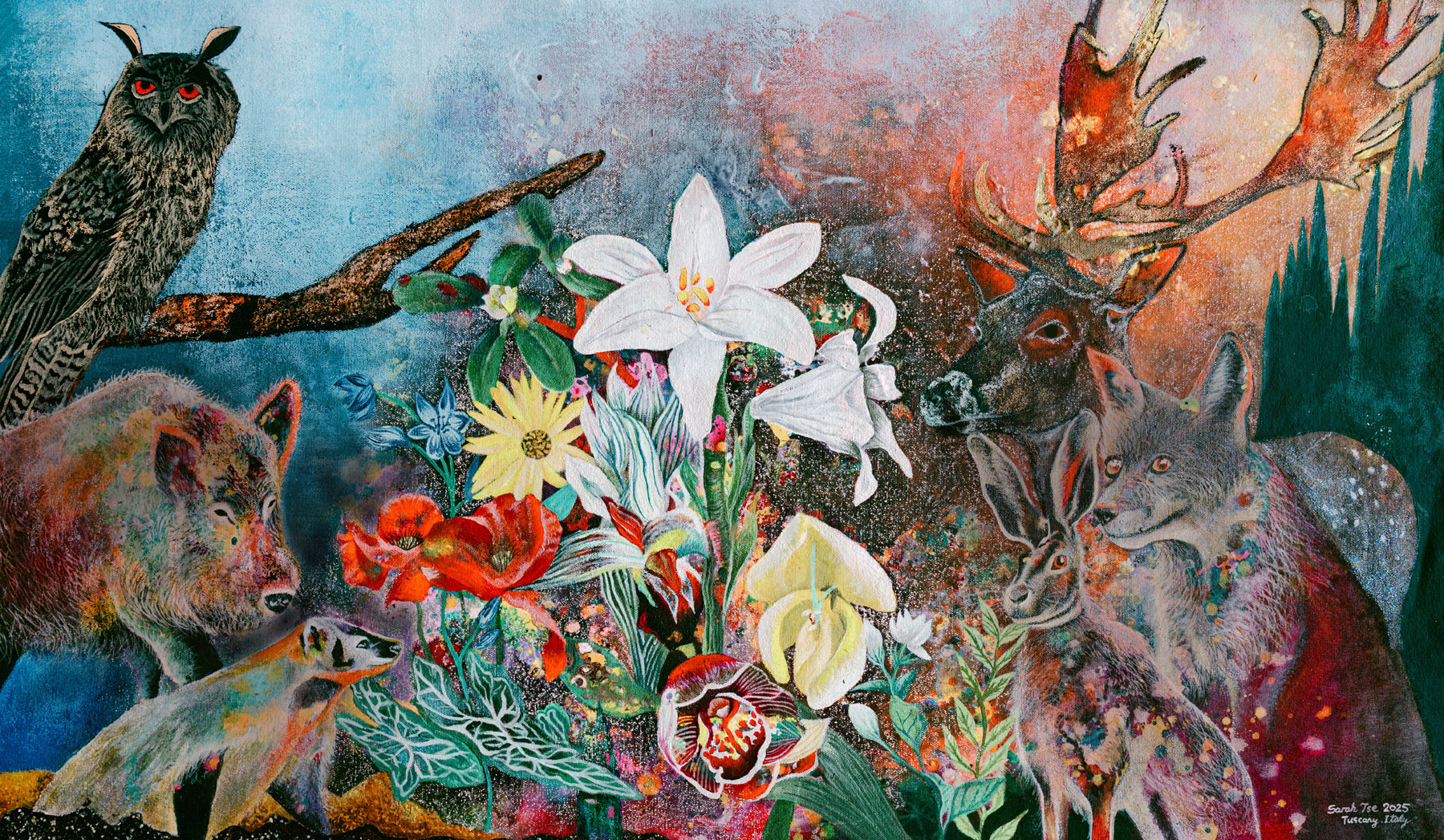
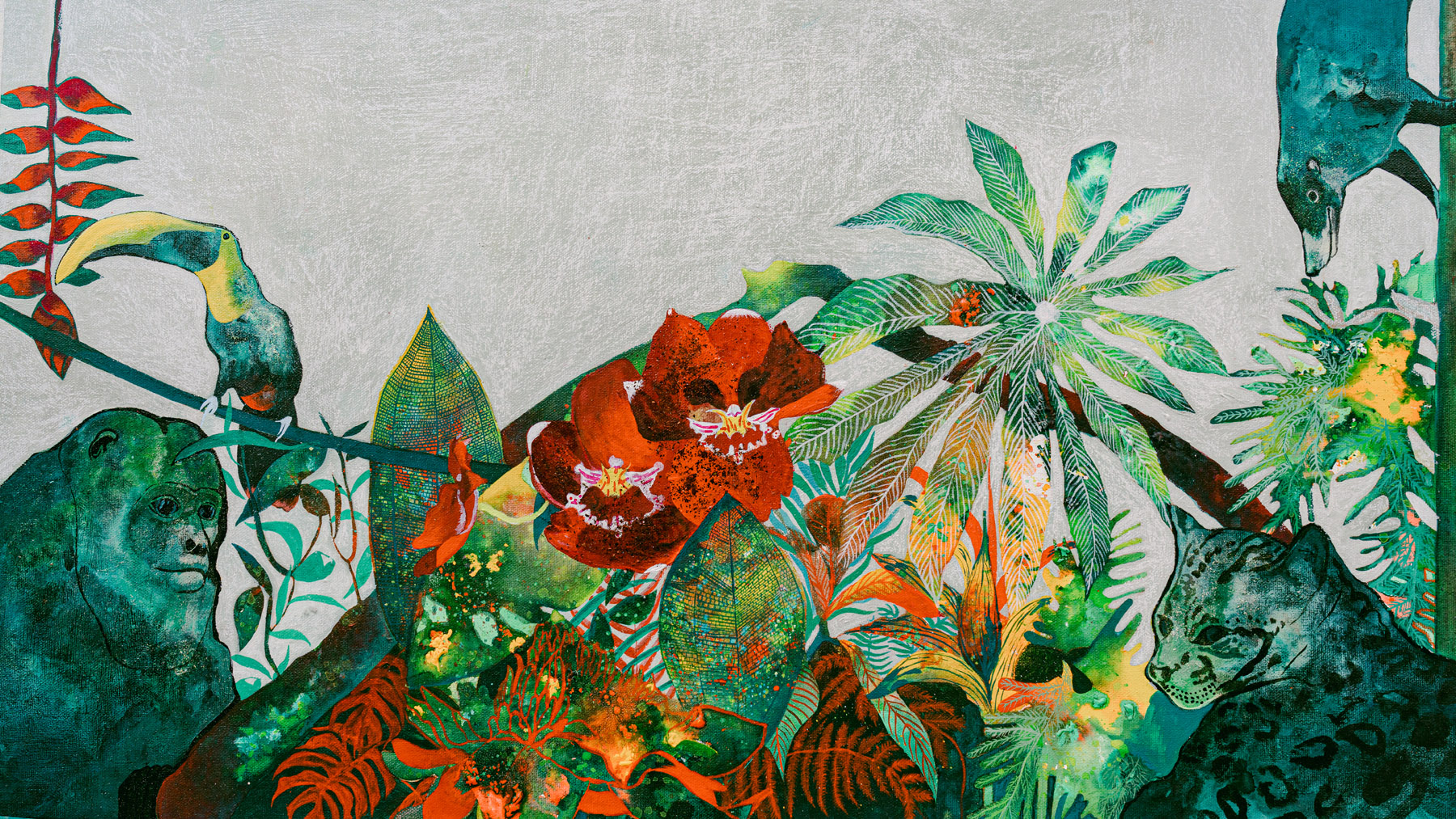
Travel allows me to paint what I see with my own eyes, to feel the presence of objects in the moment, and to observe from different perspectives. Since the main themes of my art are nature and animals, I feel animals’ fur and touch leaves in the forest to capture their essence in my work. I’m more interested in capturing the feeling than painting the subject realistically. I prefer to create based on reality rather than googling an image and relying on imagination.
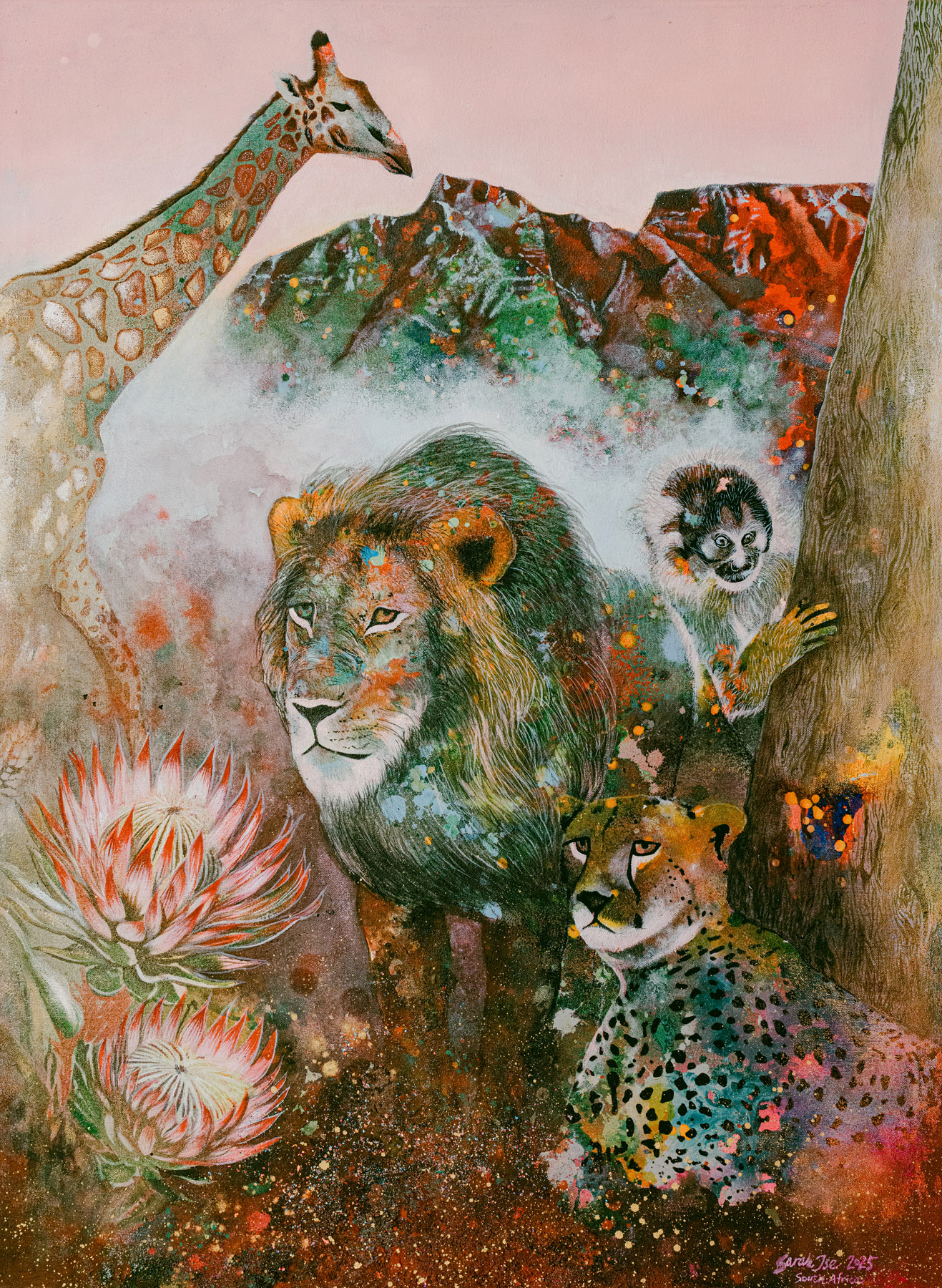
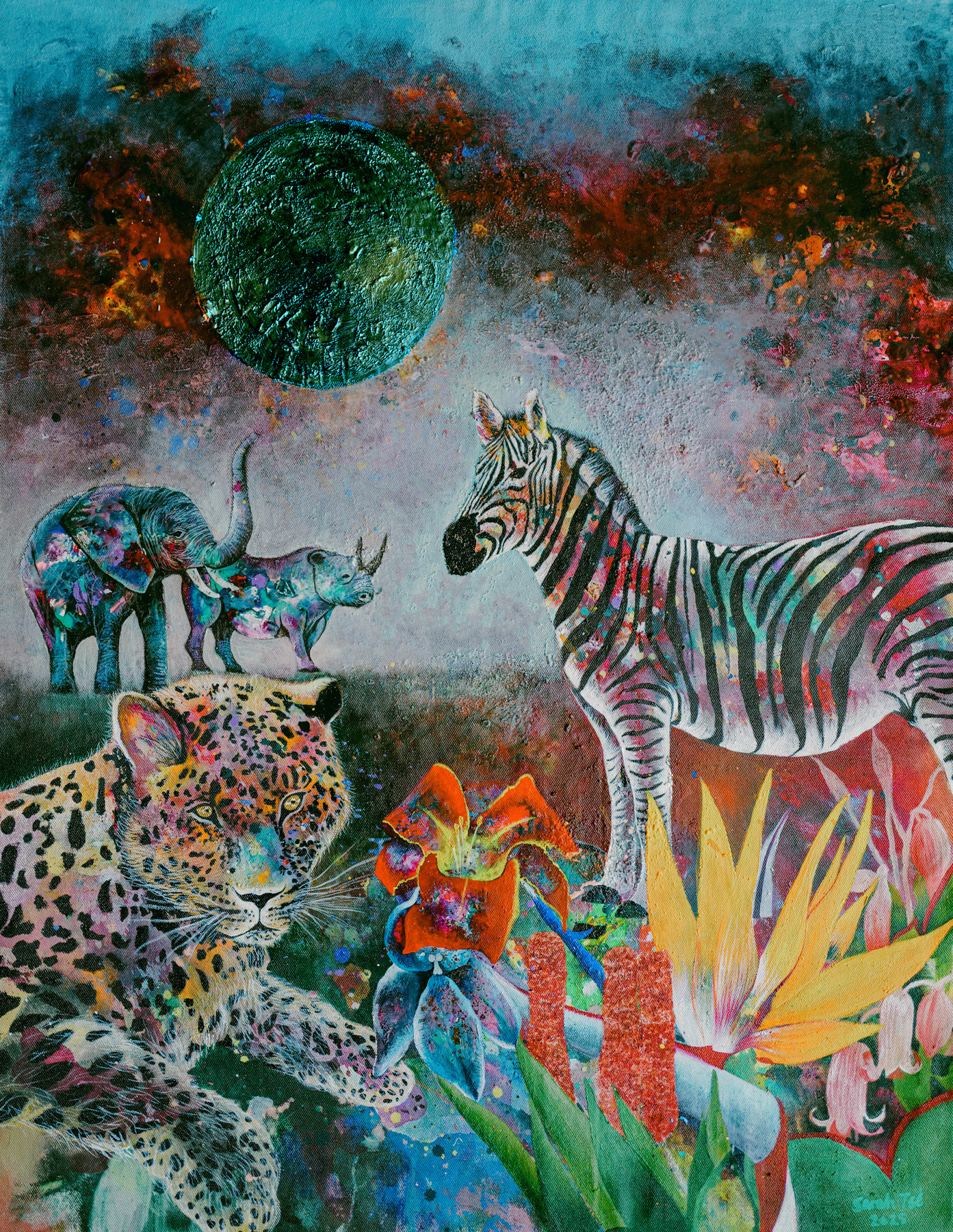
The cat family has always been my favourite, especially leopards and panthers. This interest began with a collaboration with Cartier a few years ago, where I had to paint many panther dot patterns, so I started studying their forms. The gestures and movements of panthers are very elegant and mysterious, which inspires me to incorporate them into my female portrait paintings as well. In Africa, I had close encounters with lions, leopards, and cheetahs at a short distance in their natural habitat. The powerful presence of these big cats is palpable—you can’t help but feel excitement and adrenaline as you watch them roaming freely in the savannah. It was such an awe-inspiring journey!!! Now, big cats will be the main focus in my animal collection.
What’s the difference between travelling for pleasure and travelling for work?
My travels no longer feel like a holiday—they feel like my life. I’m just living everywhere. I do what’s needed every day, no matter where I go. I still have to do laundry, get groceries, cook at home, and do Zoom calls with clients. I’m very disciplined and motivated—I make sure I reach my KPIs every month.
If I were on holiday, I would probably book a famous restaurant and a hotel to stay in, or just lie on the beach all day. But as a nomad, I book a homestay so I can live with locals, or a sublet from someone local. Moreover, I have to make sure I work at least 40 hours per week; the rest of the time, I can do whatever I want—mostly visiting museums, hanging out with new friends, and doing what they do. I get most of my inspiration from daily life in each place and from the stories new friends tell me. I once drew a cactus that I walked past every day near my homestay in Mexico. Another drawing I did in Beppu, Japan, was of a teapot a curry restaurant owner received from his father-in-law as a blessing for his restaurant. I’m more drawn to sentimental memories that aren’t exaggerated.
What intriguing experiences have you had on the road?
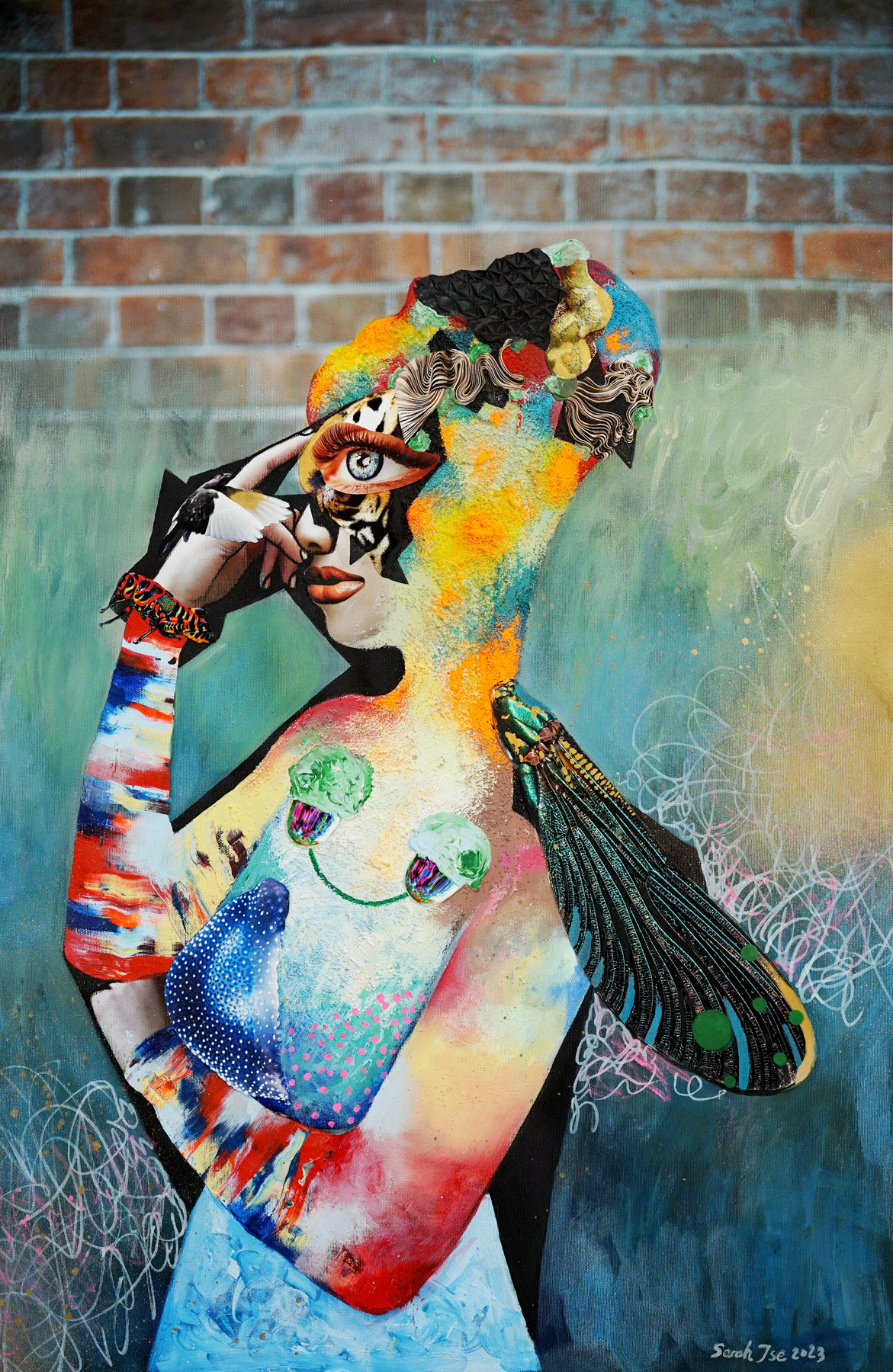
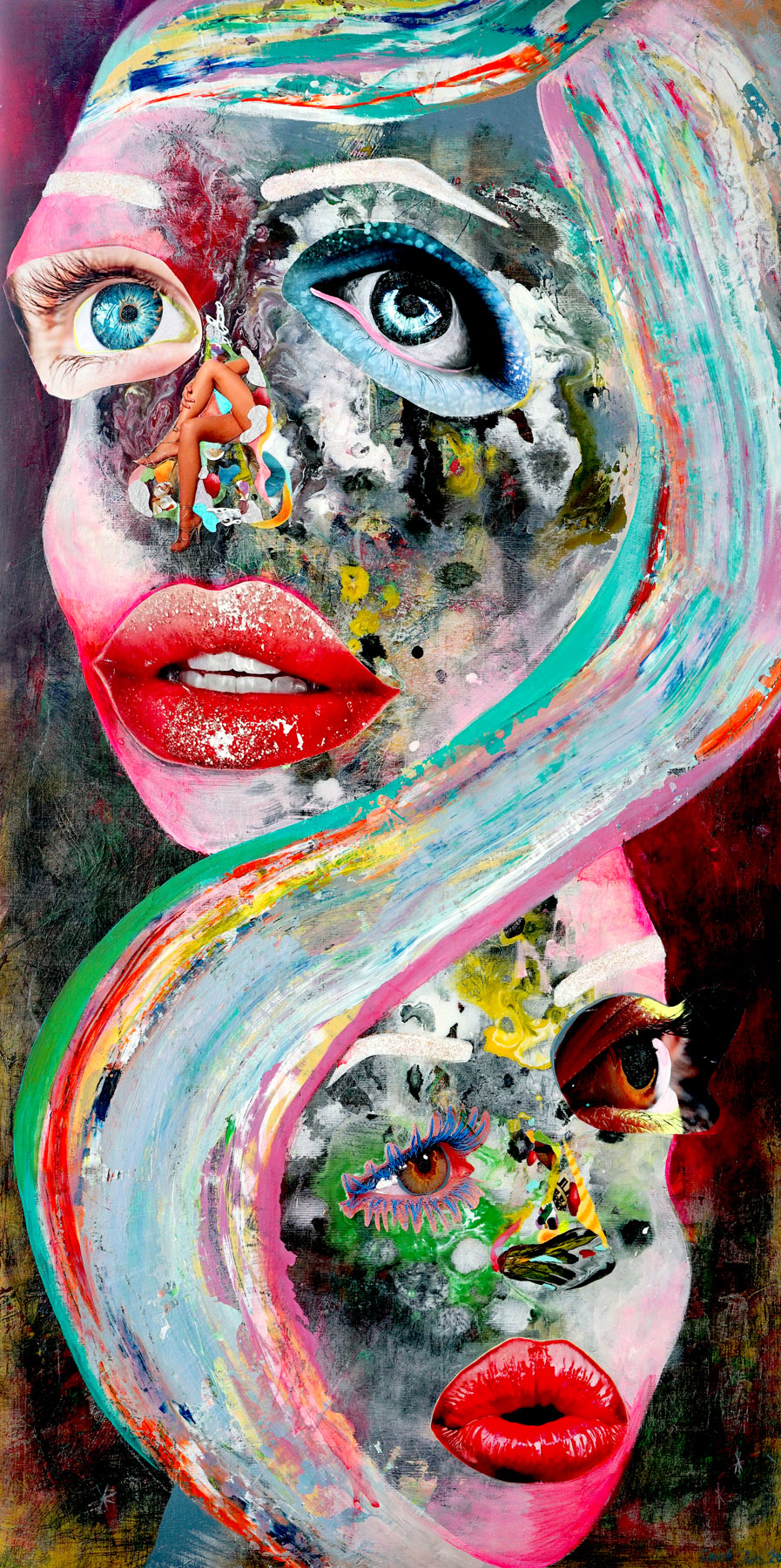
It’s interesting to see how women in different countries view marriage and relationships. Women in developing countries are expected to have a family with kids when it comes to relationships, while most women in developed countries are looking to find true love as they are more financially independent. When I went to Bali, many locals were surprised I travelled solo and was still single without kids. What’s freedom? What’s love? Those are very modern concepts for them. Two years ago, I painted a collection of female portraits, which depict the sensuality of women through mixed media, complex textures and bright colours. The paintings are intricately composed of humans, animals, obscure objects, nature elements and machine parts.
My obsession with female portraits is deeply rooted in an obsession with the self, while navigating the journey of life. I ponder feminine emotions and the critical question: What is the true definition of beauty? Sometimes we are elegant, sometimes we are vulnerable, sometimes we are sexy, fearless, sensitive, affectionate. As I explore the complexities of feminism, I transfer the multi-layered depth of emotions onto my canvases.
Tell us about your most memorable journey.
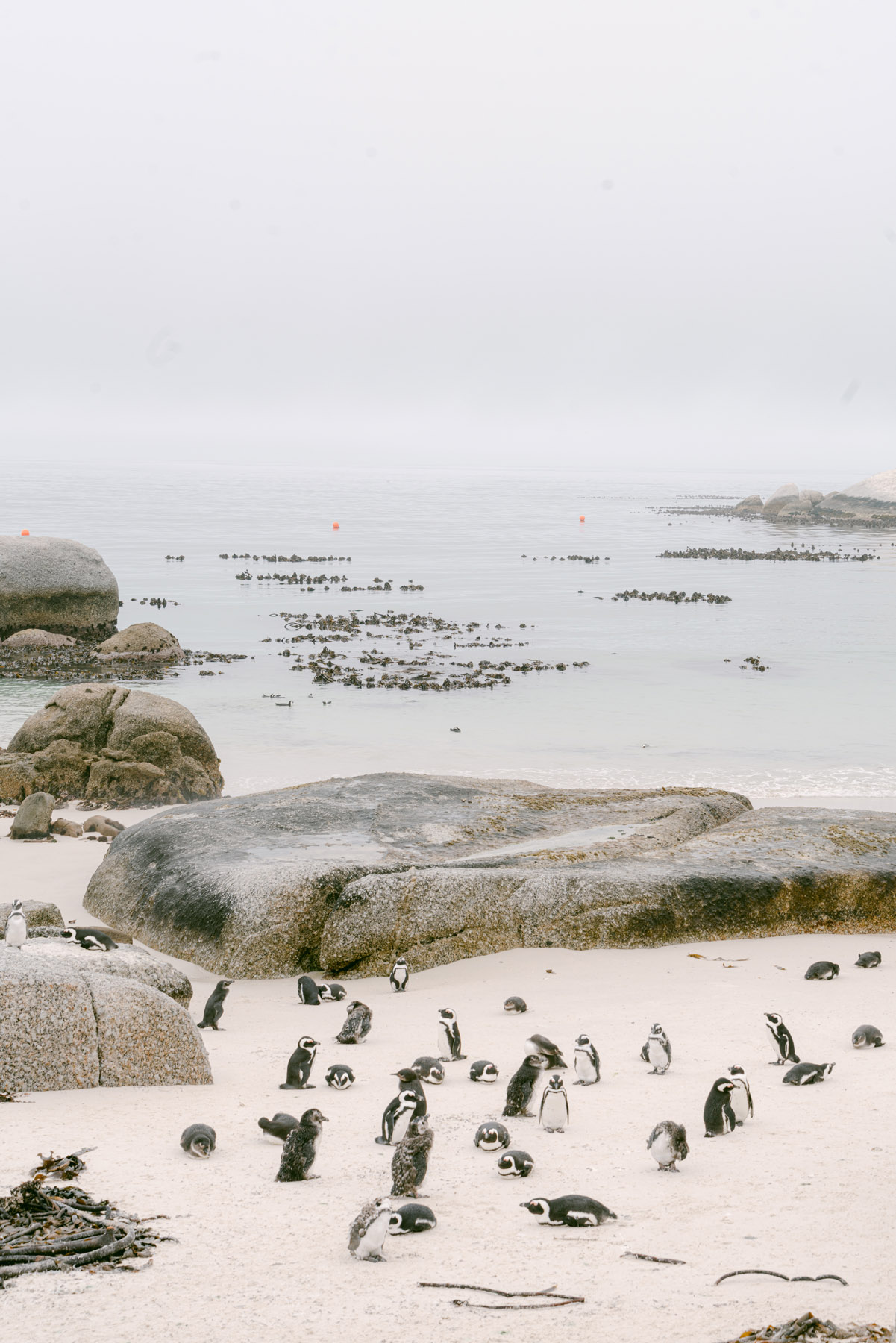
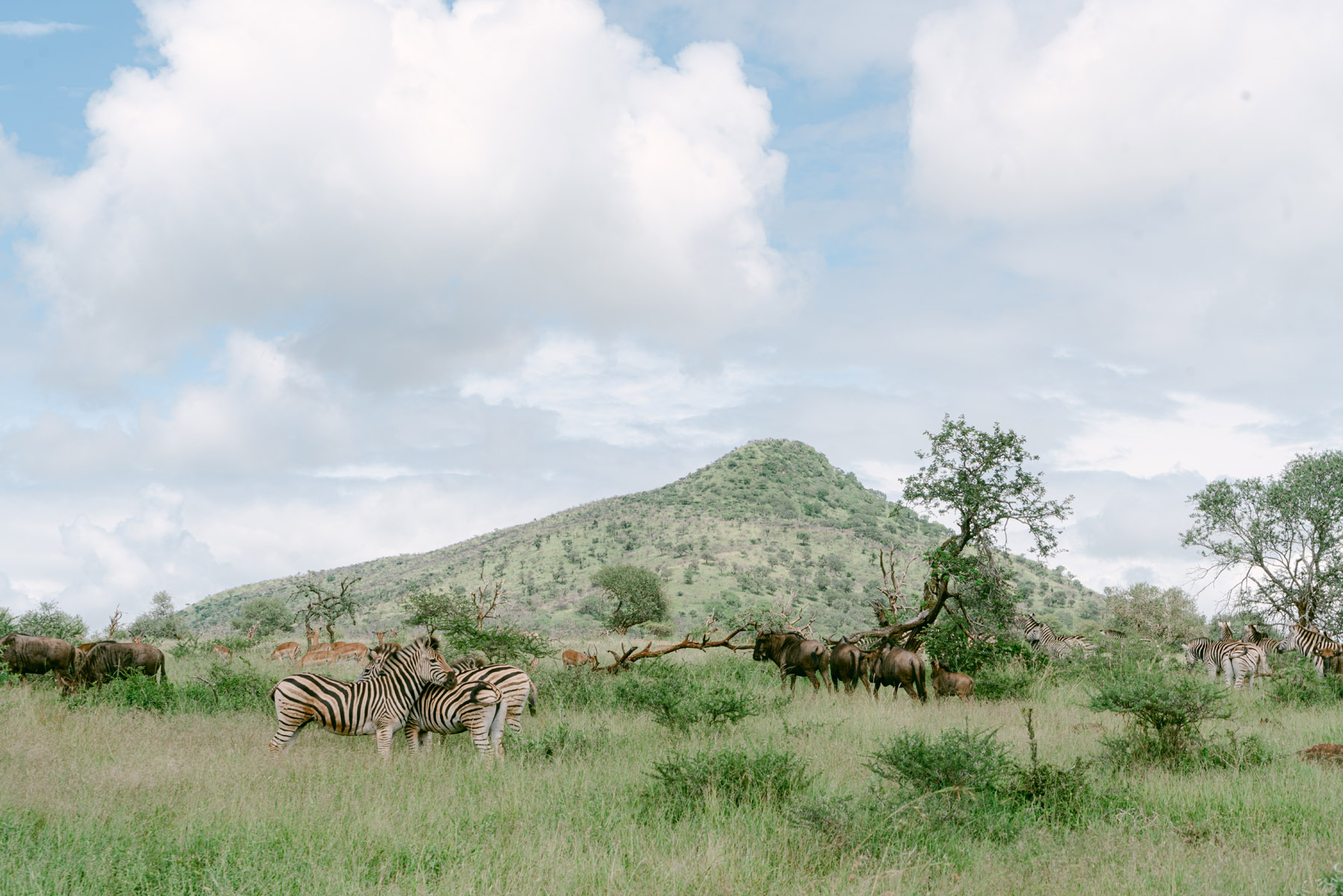
My most memorable journey was probably my trip to Africa in March 2025. I visited South Africa, Zimbabwe, Namibia, Botswana, and Zambia, and the trip lasted six weeks. I’ve painted many animals in my work, but I had never seen them in the wild before. This trip allowed me to observe their daily lives in nature, and I did a lot of sketches along the way. I really enjoy traveling alone—it gives me time to reflect and think about my life.
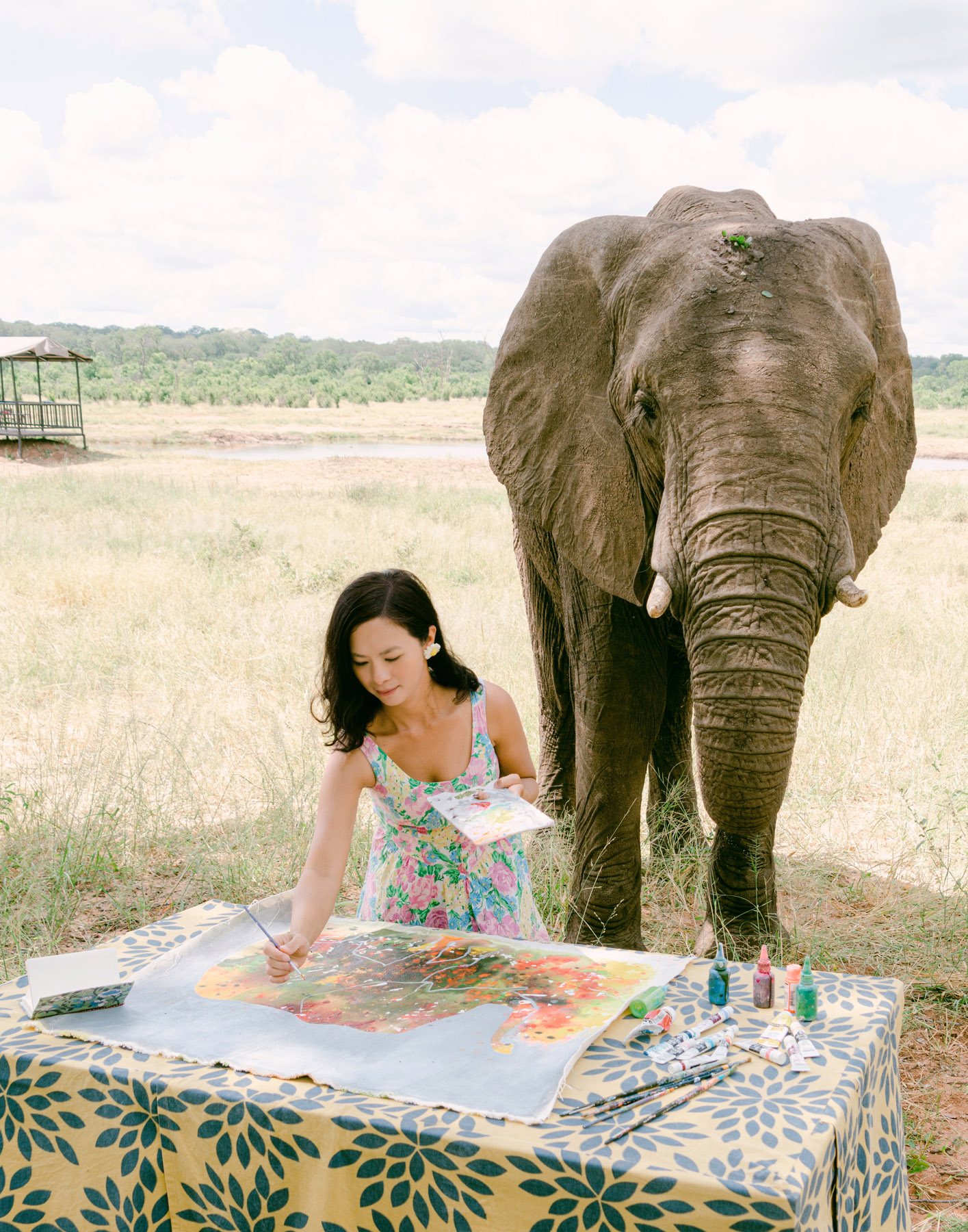
When I was in Zimbabwe, I suddenly had the idea to draw an African elephant, so I contacted a rescue center to see if they would allow me to do so. At first, I didn’t have any expectations—I just wanted to try (that’s really my approach: just try, and if it doesn’t work, that’s okay, but at least I tried). Fortunately, they were happy to accommodate me, and they said I was the first Asian visitor to their center. It was incredible to stand right next to the largest land mammal on Earth—I even found a new painting buddy, Kariba. She just wanted to play with me, which was quite a distraction.
How do you usually make friends while travelling?
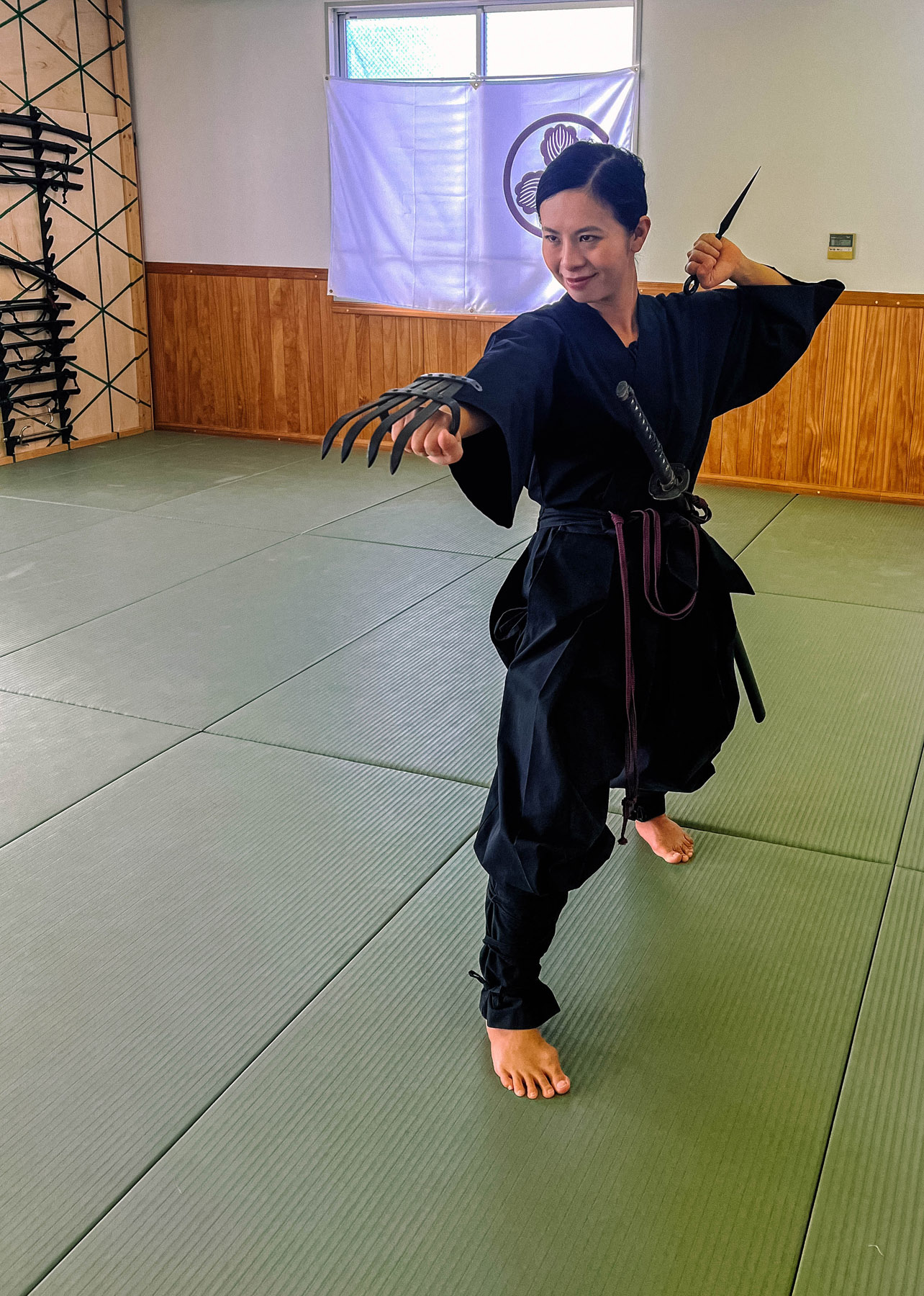
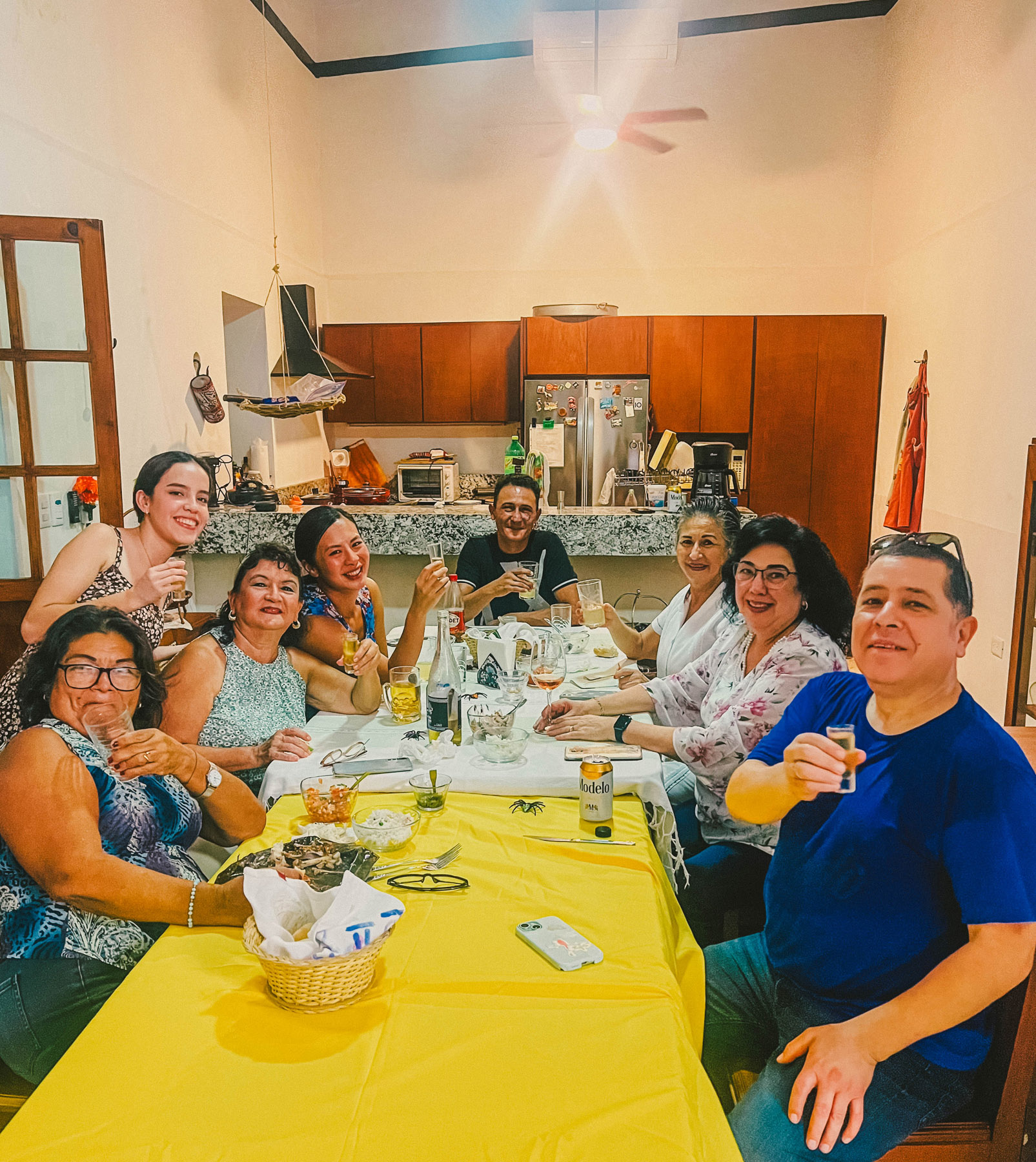
I joined a lot of tours and activities from Meetup.com, Airbnb Experiences or Facebook groups. Through the activities I meet like-minded people who also enjoy doing things that I love. Early last year I joined a ninja training workshop in Tokyo, which involved mastering techniques like climbing, jumping, martial arts, and stealth. We also learnt the use of traditional ninja weapons like shurikens (throwing stars) and blowguns. I am glad I joined the class alone so I could train with other people who were also curious about ninja training! After class, all the trainees went to an izakaya to drink together!
How has being on the road for so long changed you?
I am much more confident and fearless now than before. I’ve seen so much of the world, and I’m living exactly the life I once dreamed of. I no longer settle for less, and I stay positive. I’ve realized that only I can give myself the happiness I want. My life feels full—everything else is extra. The most important things are good health and a positive attitude; with those, we can achieve what we want. And even if we don’t, we can still enjoy the journey.
SARAH TSE is a nomadic mixed-media artist whose work is inspired by her travels and the experiences she gathers along the way. Her practice explores themes of nature, human emotion, and the notions of beauty and power. She graduated with a Bachelor of Arts in Fine Art from Central Saint Martins College of Art & Design in London in 2009. Sarah travels full-time—one moment painting mushrooms in the forests of Finland, the next sketching lions on a safari in Africa. She has participated in over a hundred solo and group exhibitions across New York, London, Tokyo, Shanghai, Beijing, Seoul, Singapore, Taipei, and Hong Kong. Her works are held in permanent collections at the Victoria and Albert Museum in London and The Ingram Collection at The Lightbox in the UK.
Instagram: @sarahtse | Website: www.sarahtse.com
Interview by KERINA KAO