
HOW FAR CAN I GO?
BY ELAINE NEO
To walk into high mountains is to accept an invitation whose wording you cannot quite make out. I went to Peru not for revelation, nor for the ceremonies the cafés in Cusco advertise like remedies: detoxification, transcendence, the unburdening of grief. I went for the simple, frightening wish to find the edge and limits of myself, and to see whether it lay where I had always been told it did.
For a long time, I had lived at a careful distance from my own limitations. A relationship had ended, and in its ending, I had been weighed against someone I was not, and, in my grief, had agreed with the weighing. I had carried that for so long I mistook it for the shape of who I was. So, I decided to stop trying to argue in my head, but rather let my actions cast the deciding vote instead. That, really, was what how far can I go meant: a way to let my body answer a question my head kept getting wrong.
After a few months of training, here I am, literally the other side of the world from home—11,700 miles, to be exact.
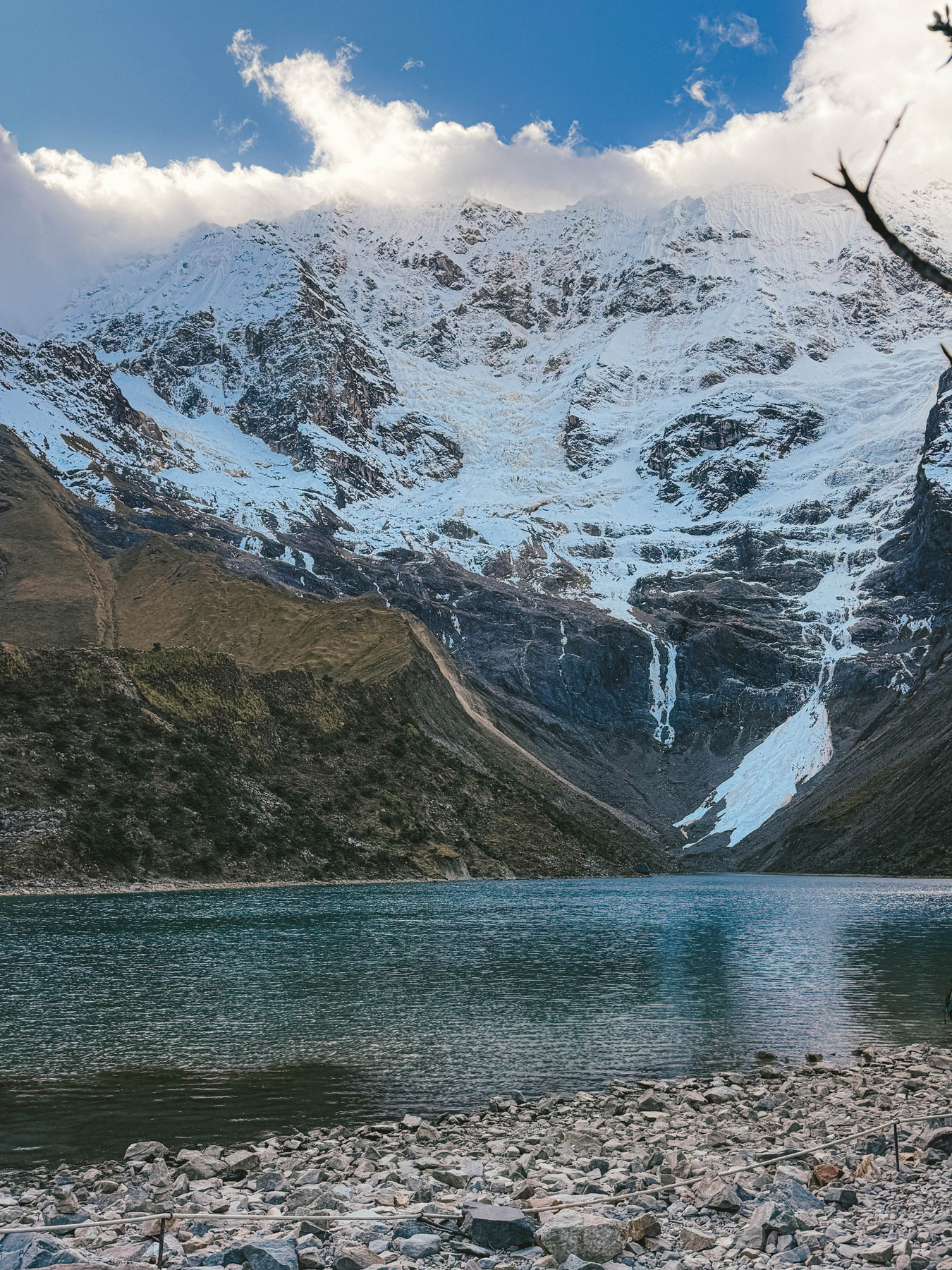
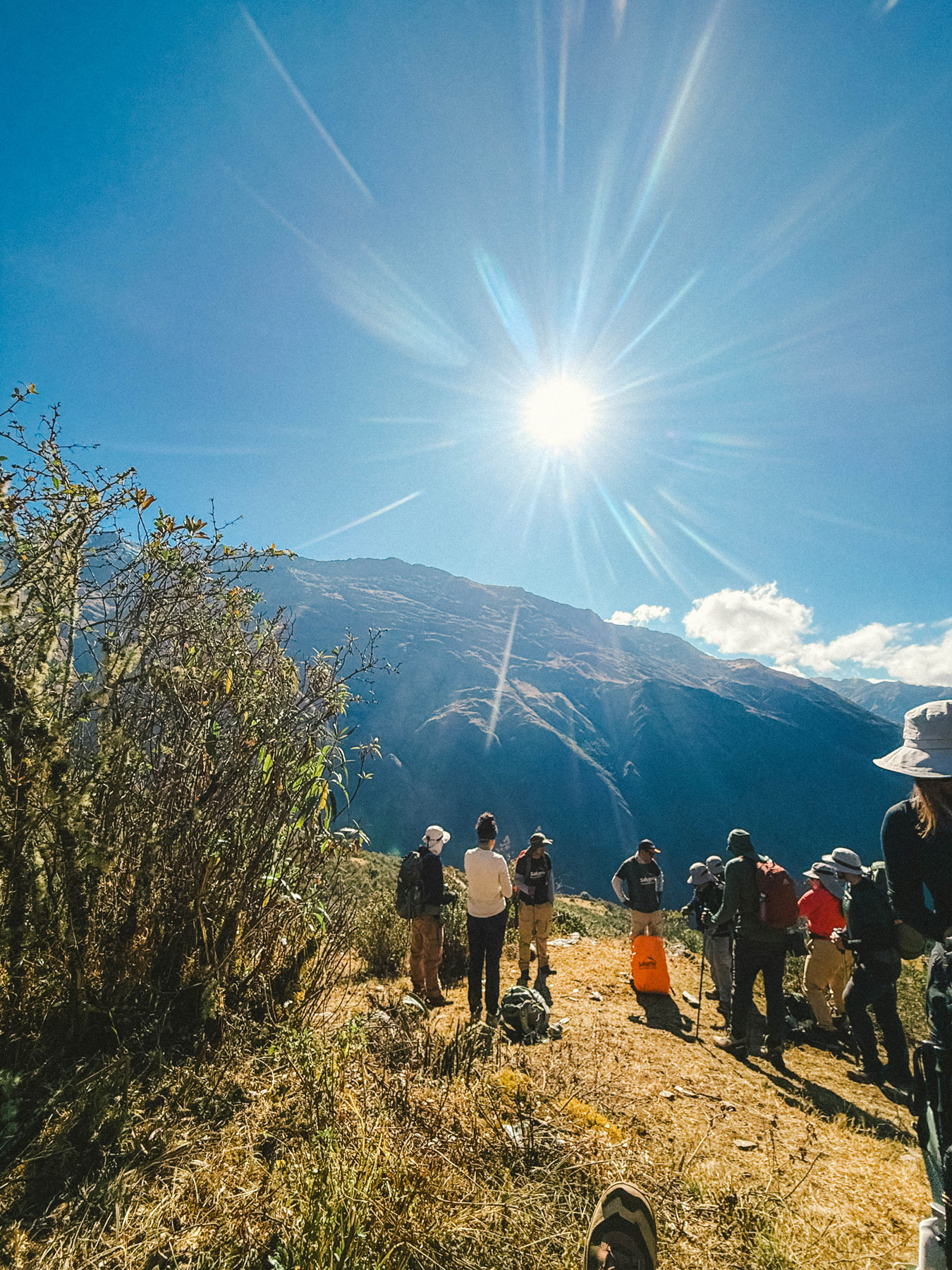
The Salkantay Trek gets sold as the alternative to the Inca Trail. Less crowded, more scenic, and more challenging. Five days through landscapes that can’t agree on a season: icy passes, glacial lakes, cloud forest, all of it eventually spilling into the orbit of Machu Picchu.
When our guide asked each of us for an intention, I gave him the question that would end up carrying me the whole way: I want to see how far I can go.
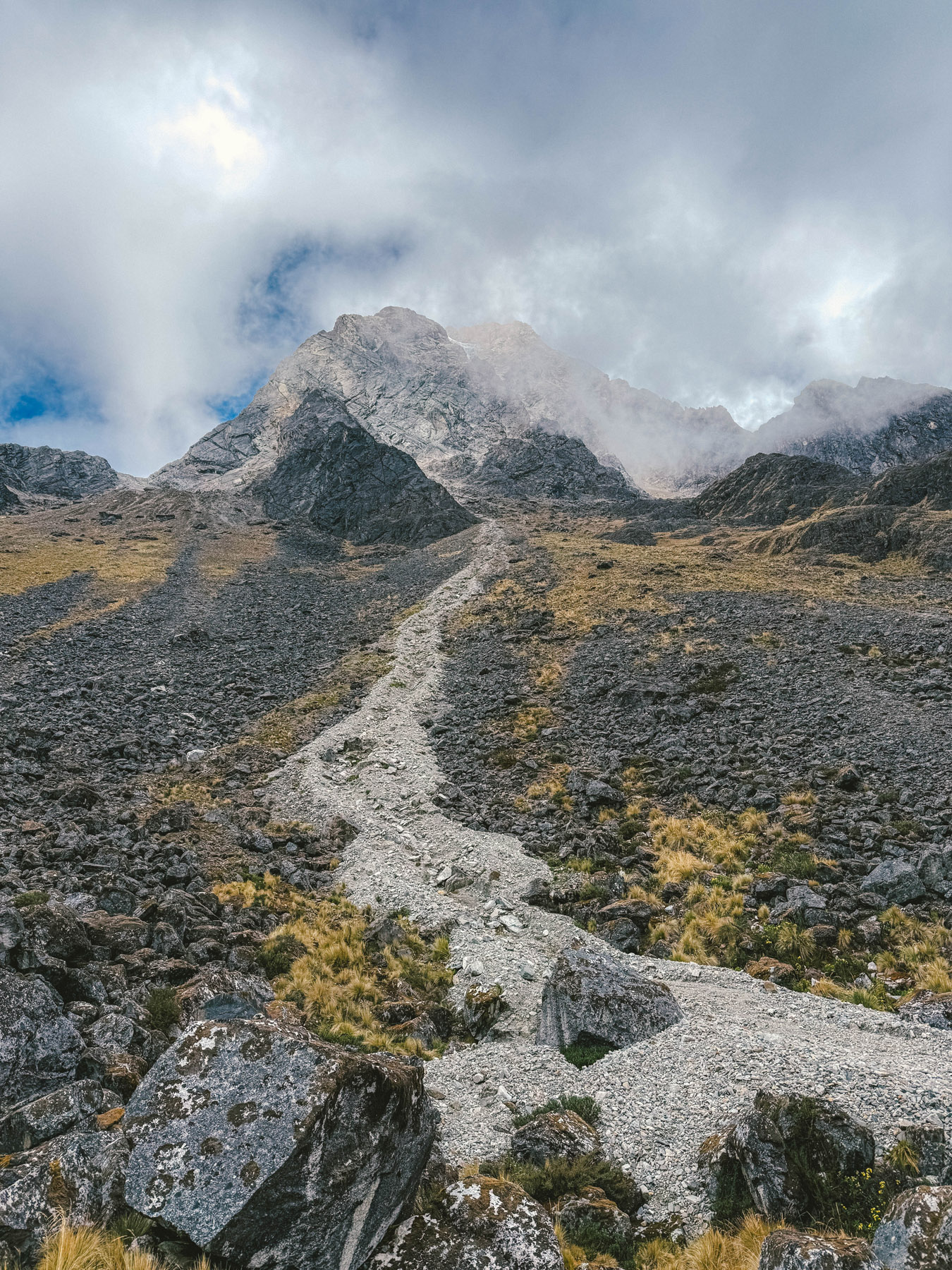
At 4,600 metres the oxygen turns into something rationed, and your brain, starved of it, quietly downgrades you to factory settings. I lost the capacity for math, small talk, and worry. In that order.
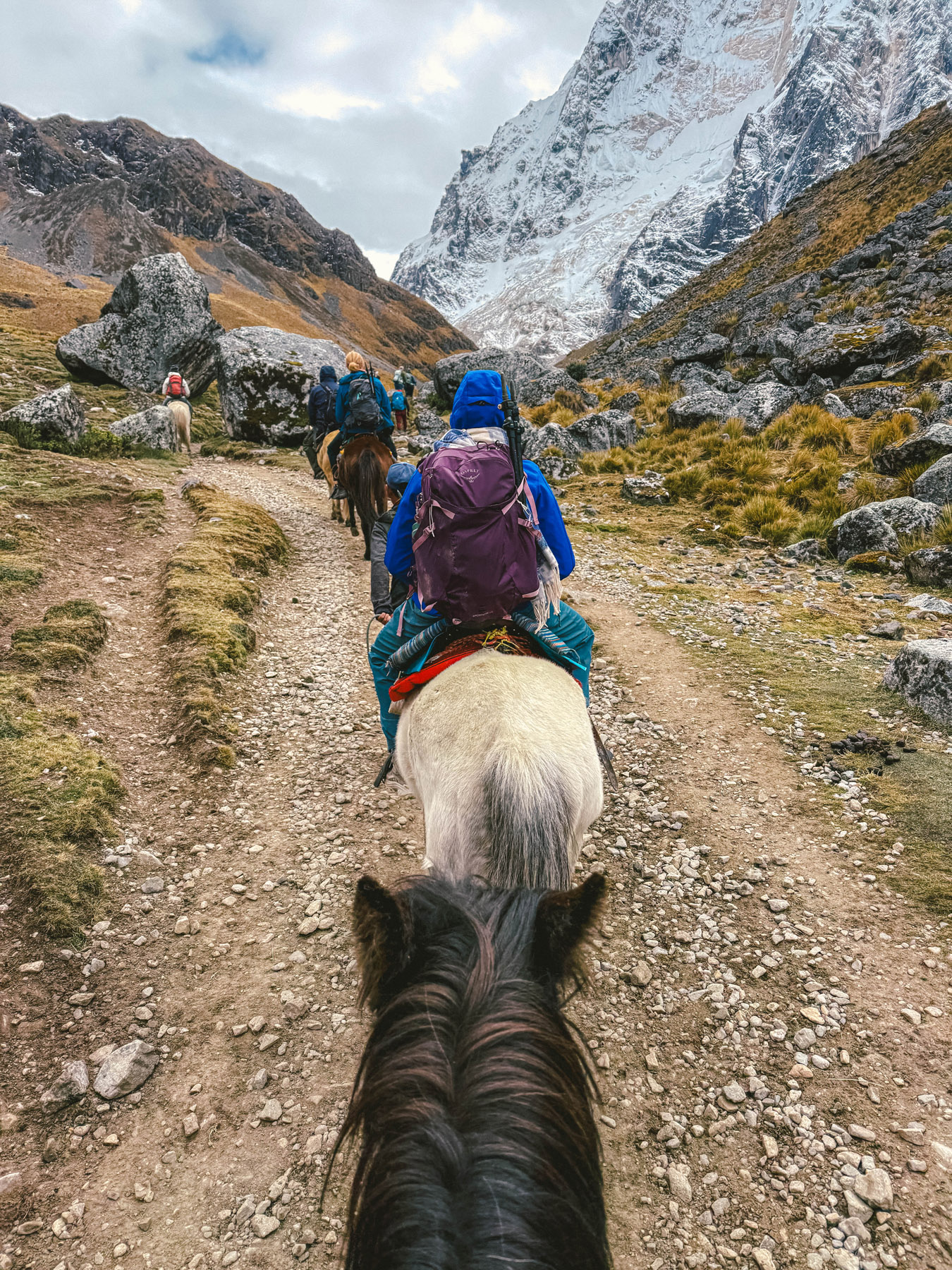
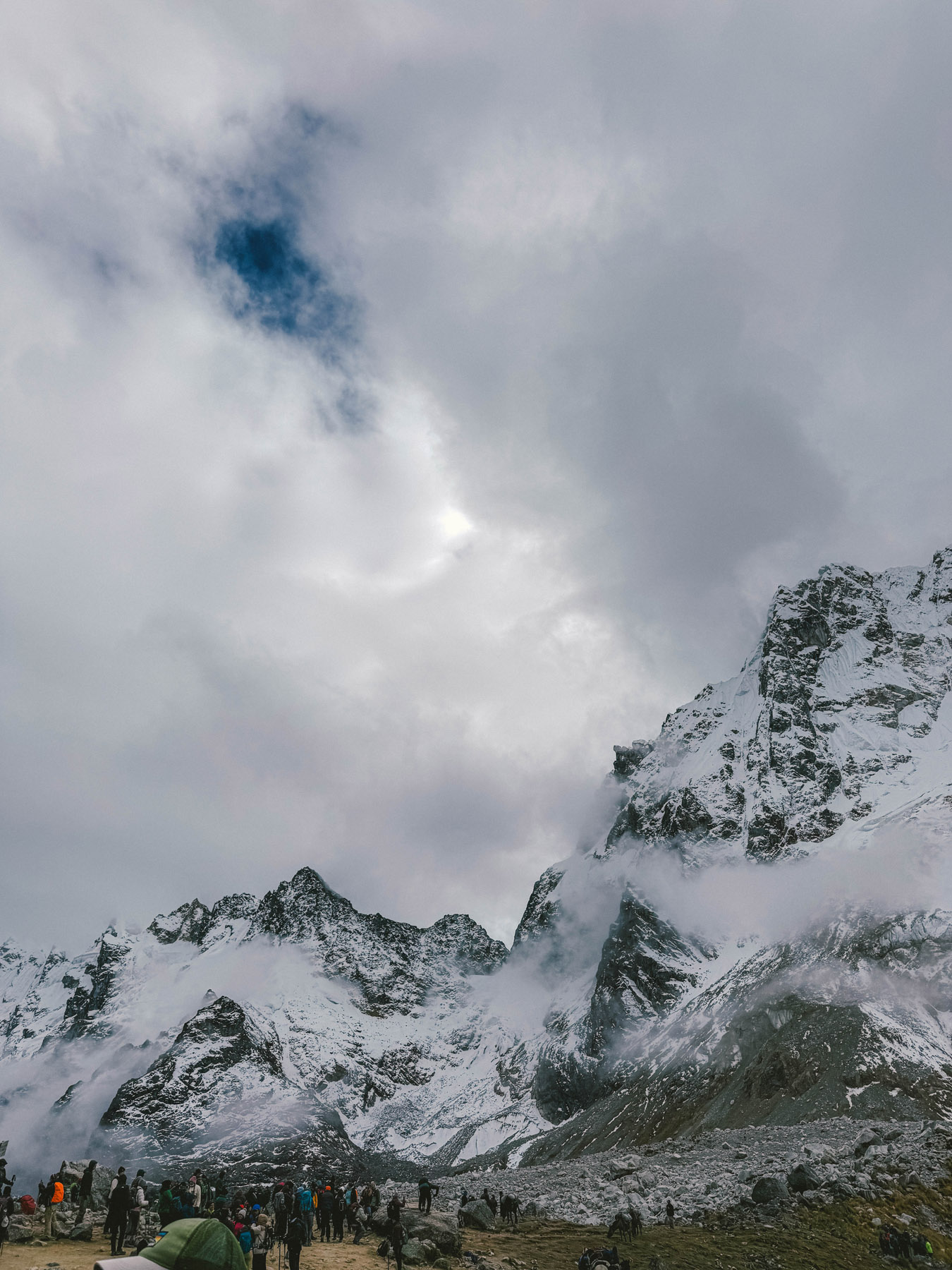
That’s a lot like moving ahead in life. Take one more step, then see about the step after that. Self-doubt doesn’t get conquered; the confidence you earn through action simply grows, over time, until it’s large enough to hold the doubt inside it.
So that’s what the days became. Boots laced, bag hoisted, lungs tested again. We walked in silence when the air got too thin for talking, and in conversation when it loosened. Connection found a way in. Whoever you passed on the trail, there was the same greeting: Ola. One bright universal syllable, stitching a temporary community out of people gasping uphill. Sometimes just a smile, or a stranger muttering “you’ve got this,” which meant far more than it had any right to. Endurance, it turns out, like breath, can be shared.
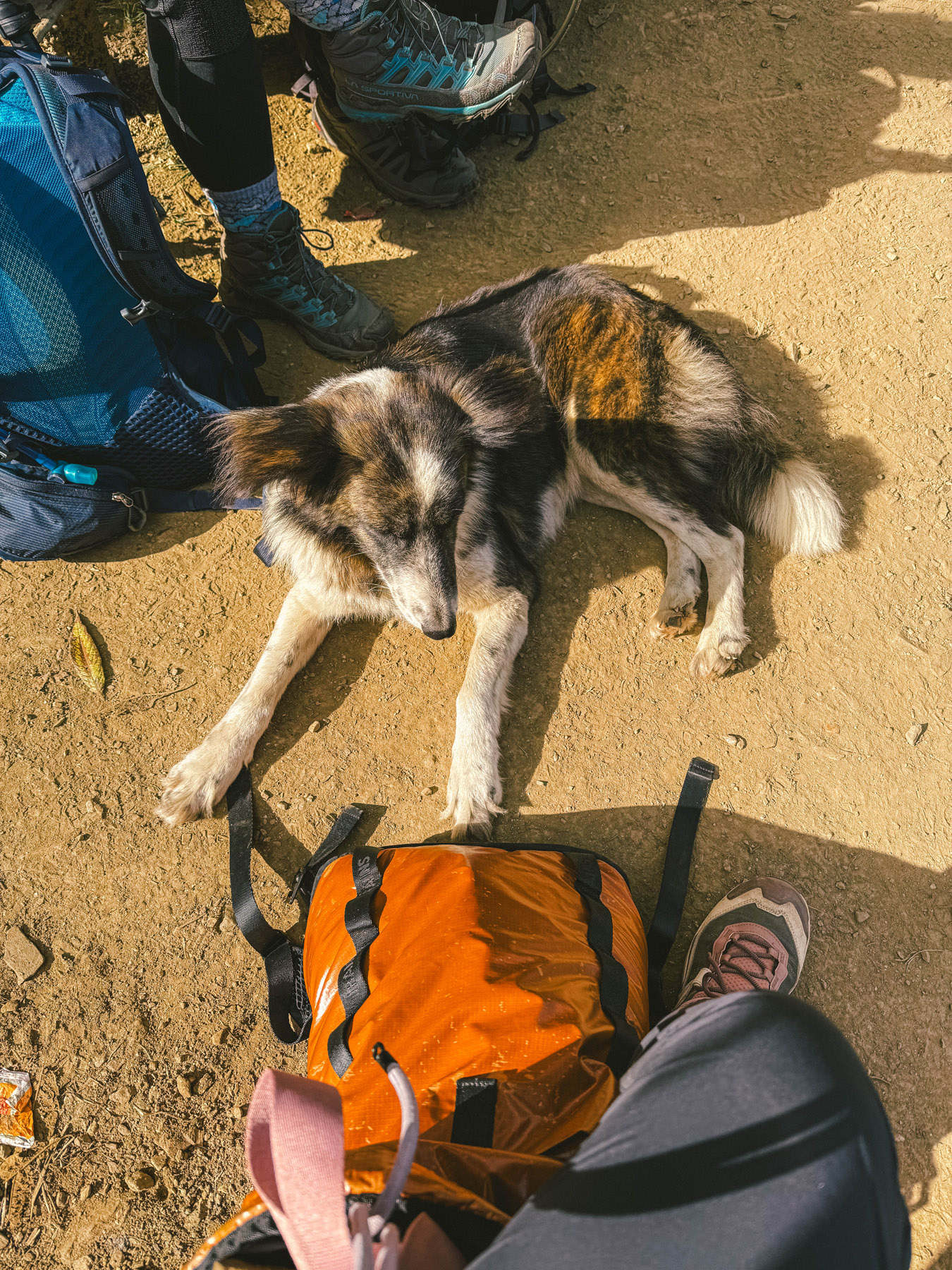
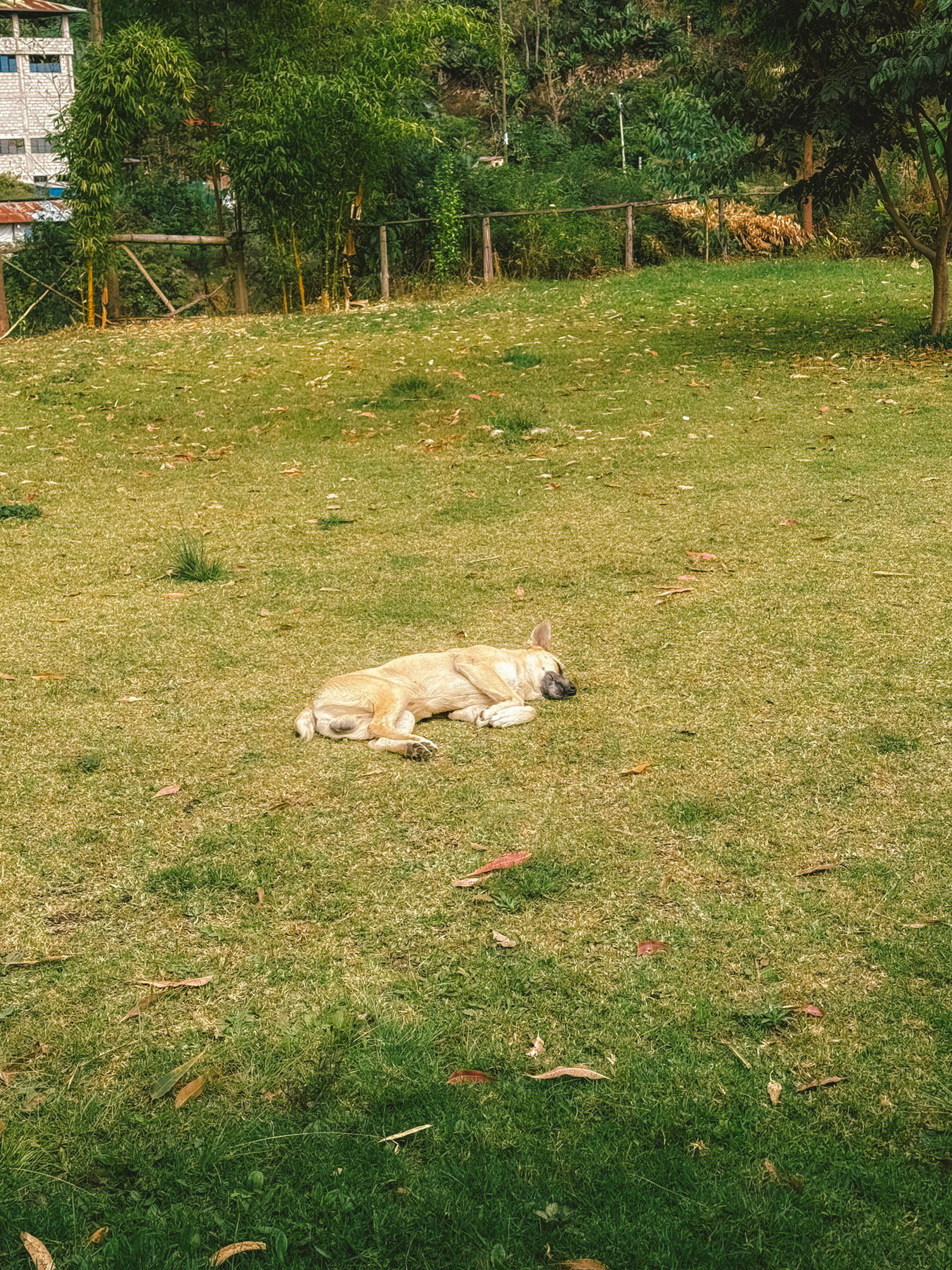
During the trails, there were mountain dogs who adopted our group somewhere on the trail, trotting ahead as if they’d been hired to guide, and collapsing into a nap whenever we stopped to rest.
The trek also forced me to learn something I’m not the best in, resting. At altitude you can’t power through fatigue, the mountain simply won’t let you. Tired, you stop. Out of breath, you sip water and wait and only then go on. It was maddeningly counterintuitive, this enforced patience, the idea that progress is measured not by speed but by knowing when to pause.
The air gives only what it gives, and you learn, breath by breath, that to pause is not to fail but to belong more honestly to your own limits. That limits, is a human thing. Progress, the mountain insists, is not speed. It is the willingness to stop, to gather yourself, and to step again into the thin and luminous air.
My thinking shrank to manageable sizes. Just get to the next rise. Just make it to lunch. At home I am tunnel focussed by futures; on the trail my entire horizon narrowed to the span of my next step, and the smallness of it was the most relief I’d felt in months. Attention sharpened to nothing and everything. At home the sound of water is wallpaper; on the trail the far-off rush of a river was electrifying, because it meant descent, rest, the valley getting closer. A patch of shade became an event. A trickle of sound became joy. At night, under an obscene number of stars, I let downloaded podcasts play in my ears, other people’s voices tethering me to a world that could wait.
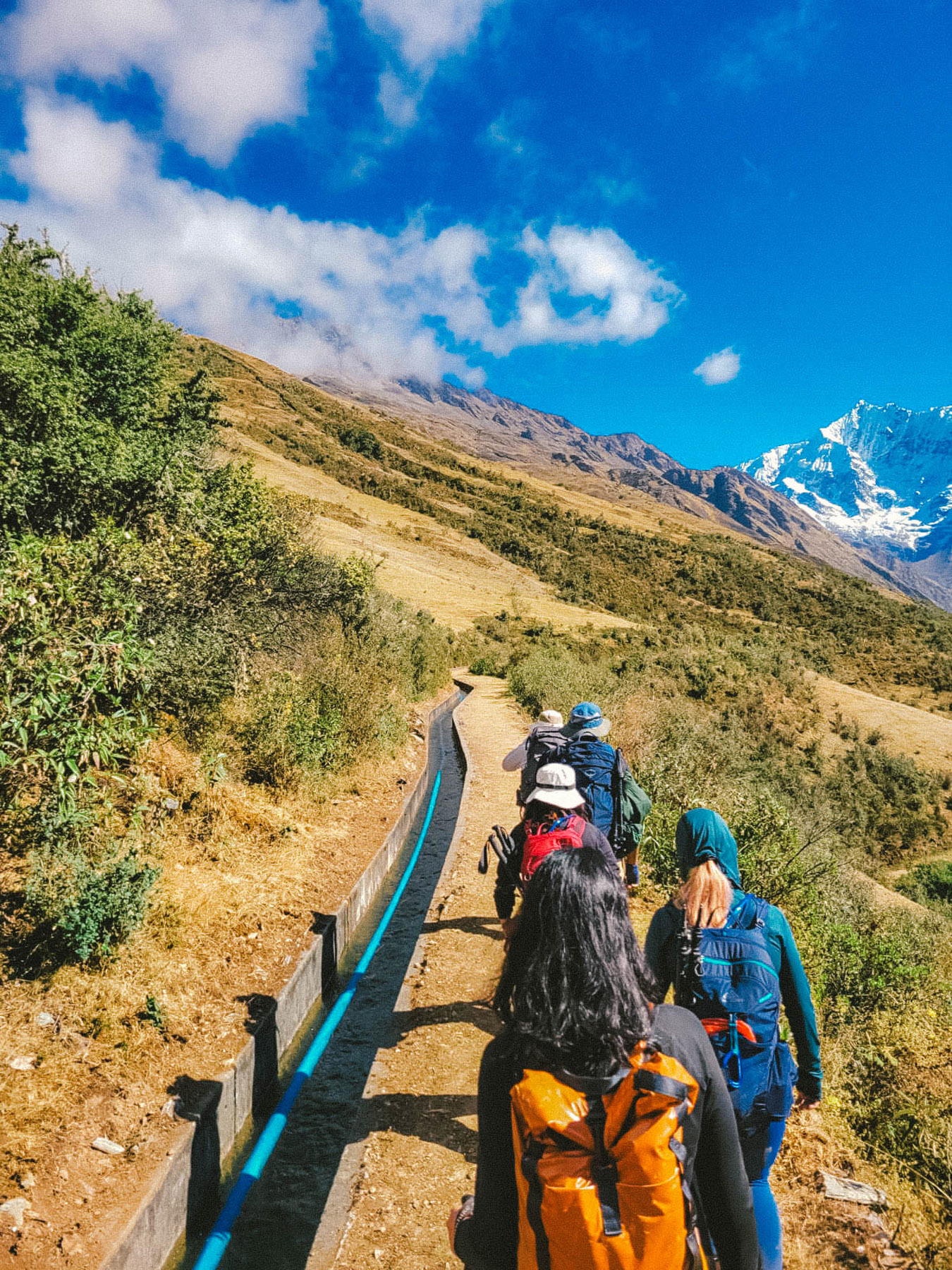
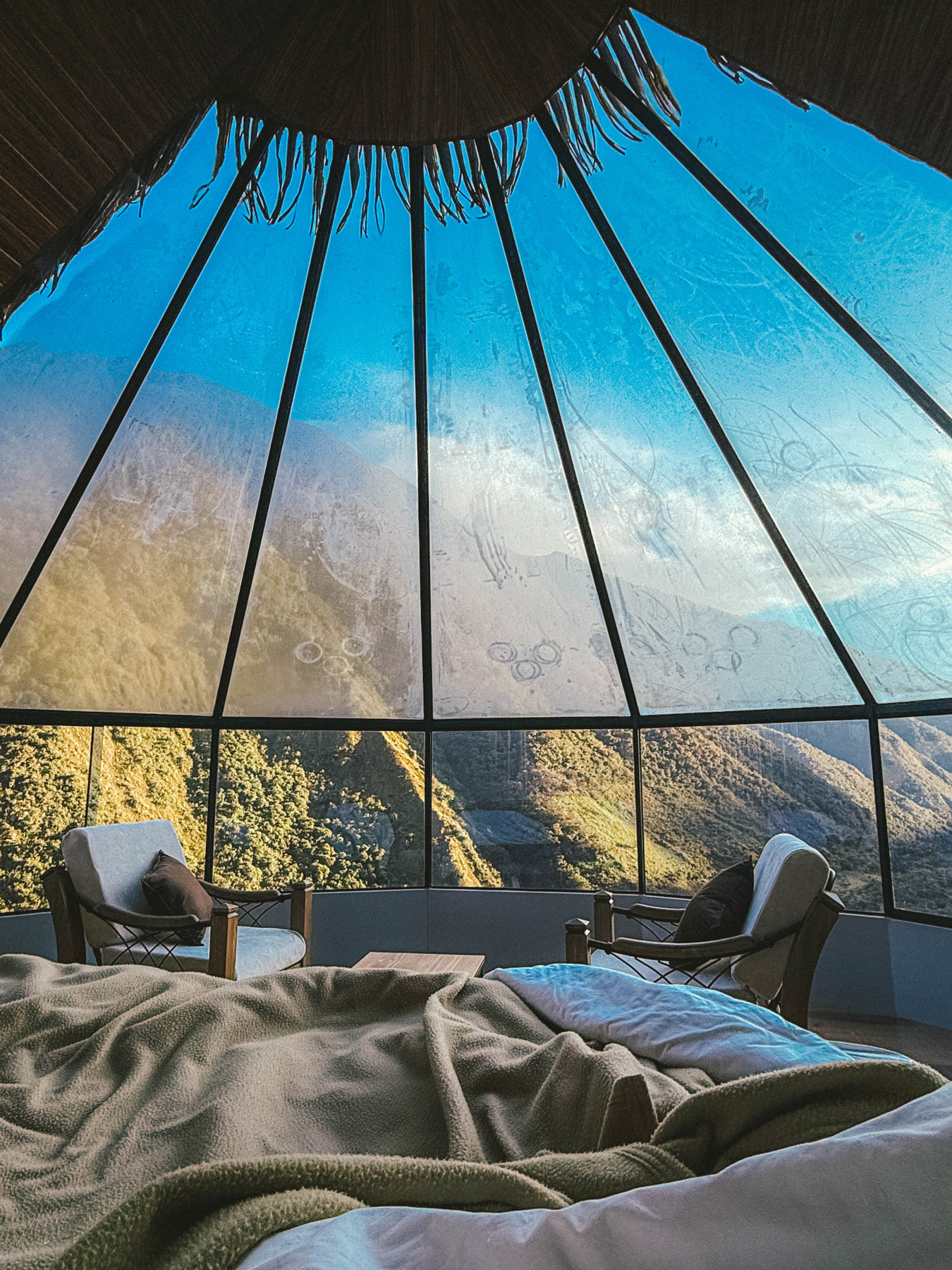
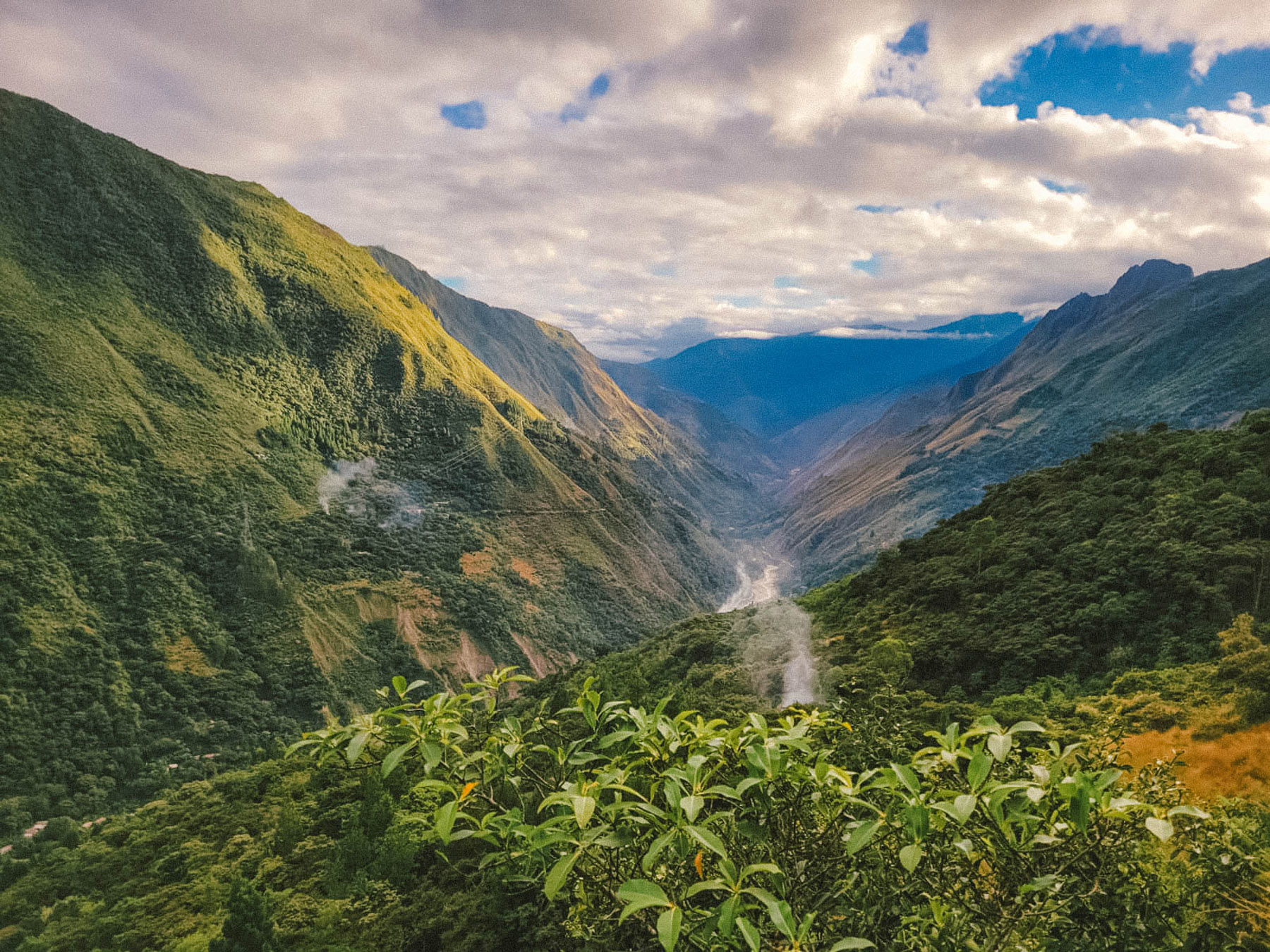
I had no revelation to extract. Every evening ended not in triumph but in plain relief that carried the same small, destabilising fact: I had gone farther than the version of me who woke up that morning believed I could.
That, I realised, is how confidence is built. Not through praise or anyone’s validation, but through the evidence of your own body doing the thing it had sworn it couldn’t. Thin air doesn’t let you pretend. It strips you back to water, breath, rest, and the next step, and it has no interest in your ego, your hurry, or your need for the journey to mean something grand.
When I finally hit the descent toward Aguas Calientes, trains, hotels, the return of the ordinary world, I didn’t feel victorious. Machu Picchu, when it came, was almost beside the point: a symbol dangled at the finish to keep your legs moving. The real thing had been in the walking. In the small steady steps taken while my lungs rebelled, and my legs shook and I kept going anyway.
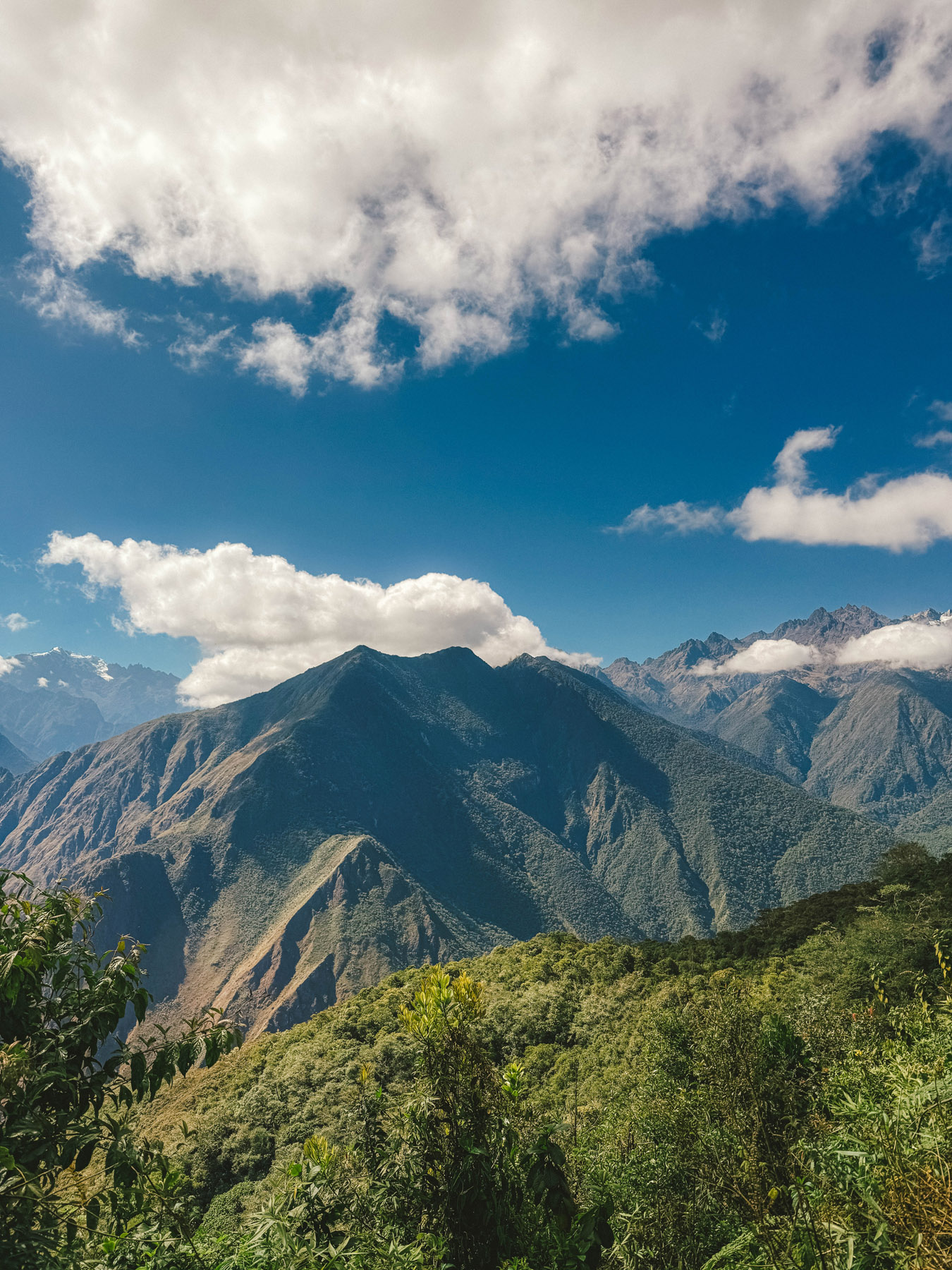
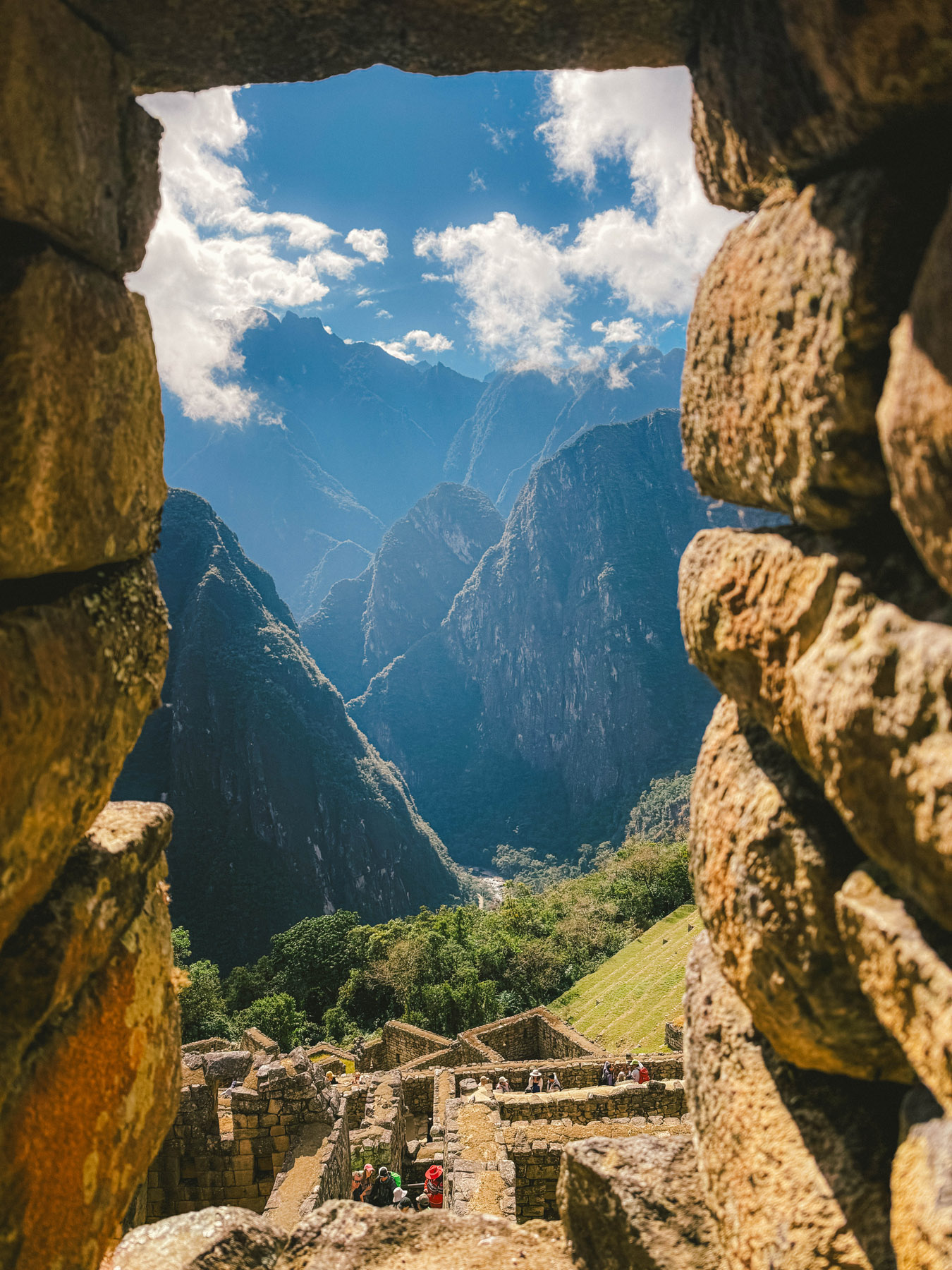
I left Peru not healed or reframed. I’m wary of those words now, but a little harder to argue with. Reminded that the point is sometimes just in the doing of it, the being of it, and in the unremarkable miracle of getting up to try again the next day. I didn’t go to the Andes to be fixed. I went to find out how far I could go. And the mountains, merciless and entirely indifferent to me, gave the only answer that has ever helped a doubter: farther than you think.
ELAINE NEO is drawn to arriving somewhere without deciding in advance what it means. She sees travel as a kind of anthropology, a way of understanding how a place, its people, and its culture are formed. Elaine believes in writing as a vessel to carry those stories forward. When she isn’t away, she’s at home in Singapore with a cat who loves anything warm.