
THE MYTH OF LANGUAGE BARRIERS
BY SAM MUMFORD
For two months I have been travelling Southeast Asia. I’ve met people from all walks of life and from all over the world. The majority speak perfect English, making conversations seamless and deep connections inevitable. Jokes land, stories are entertaining and comfort is abundant.
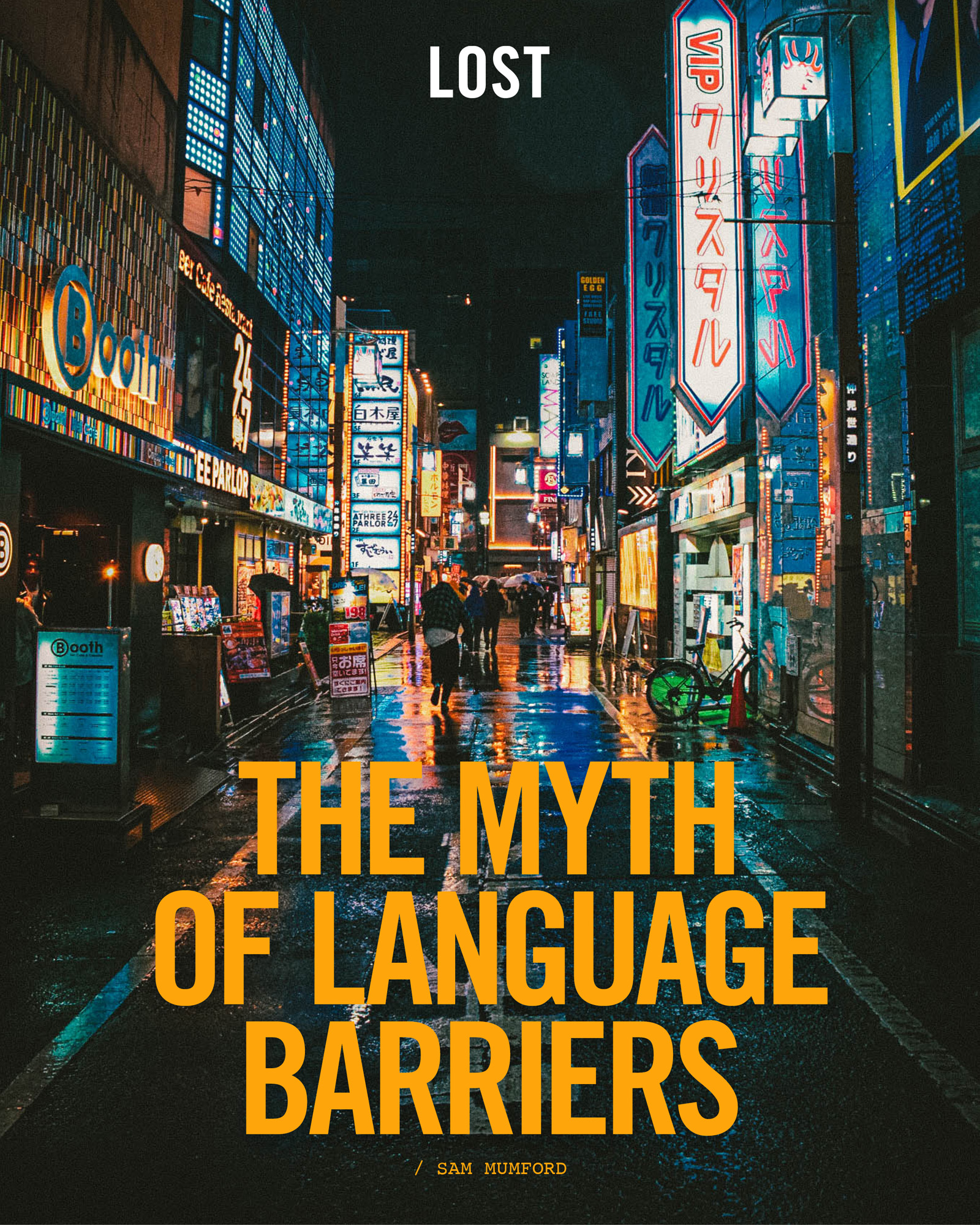
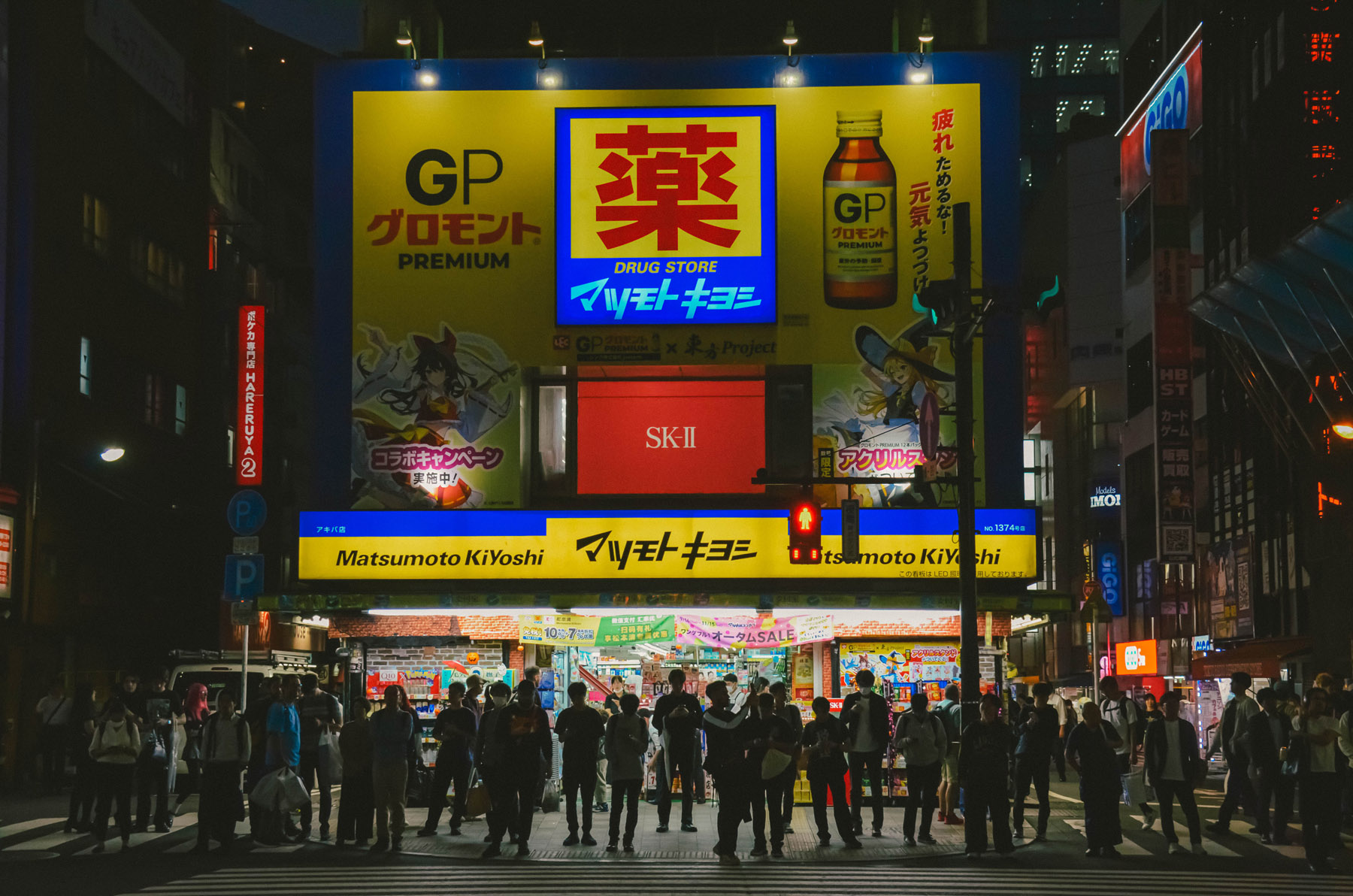
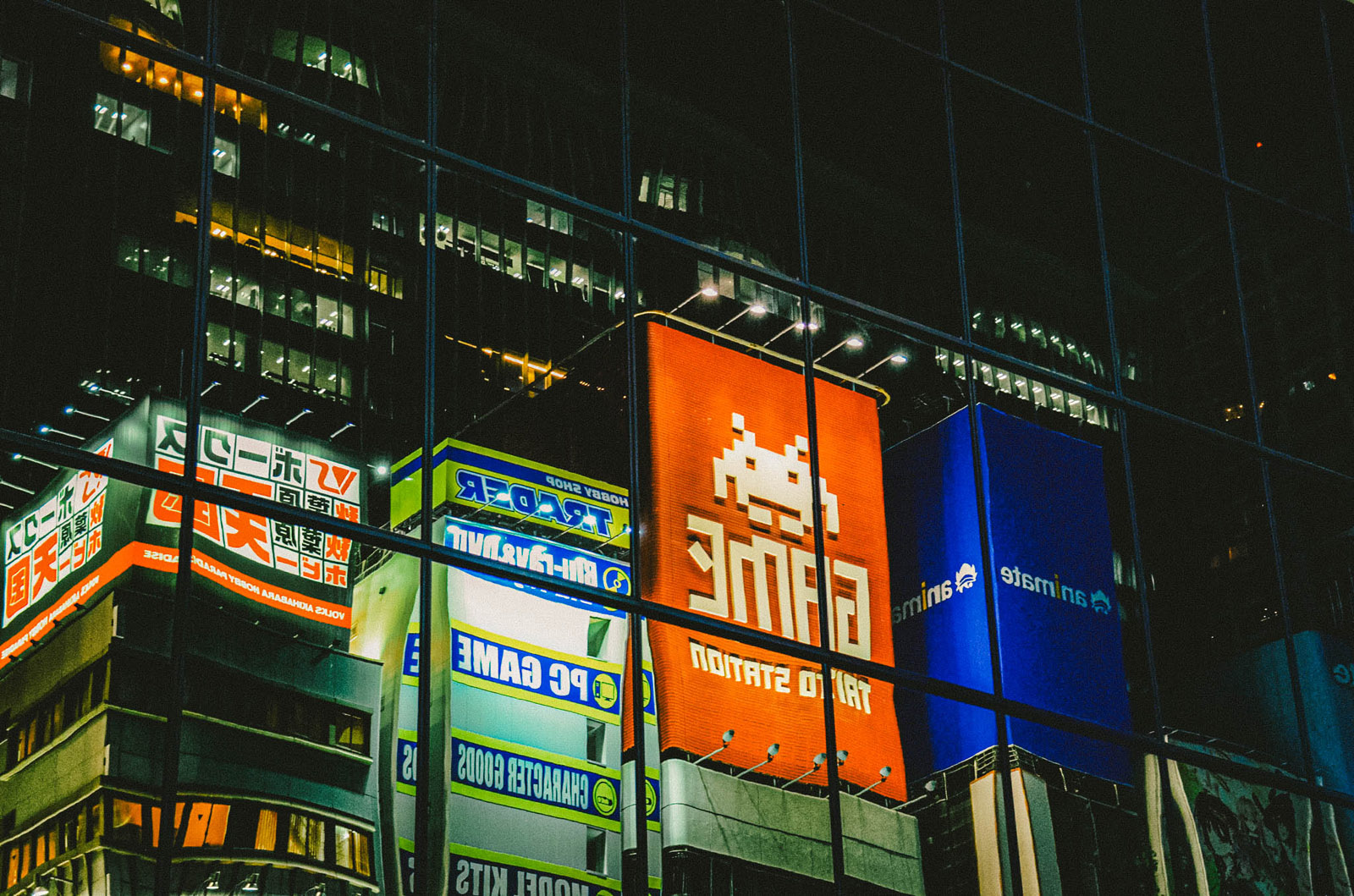
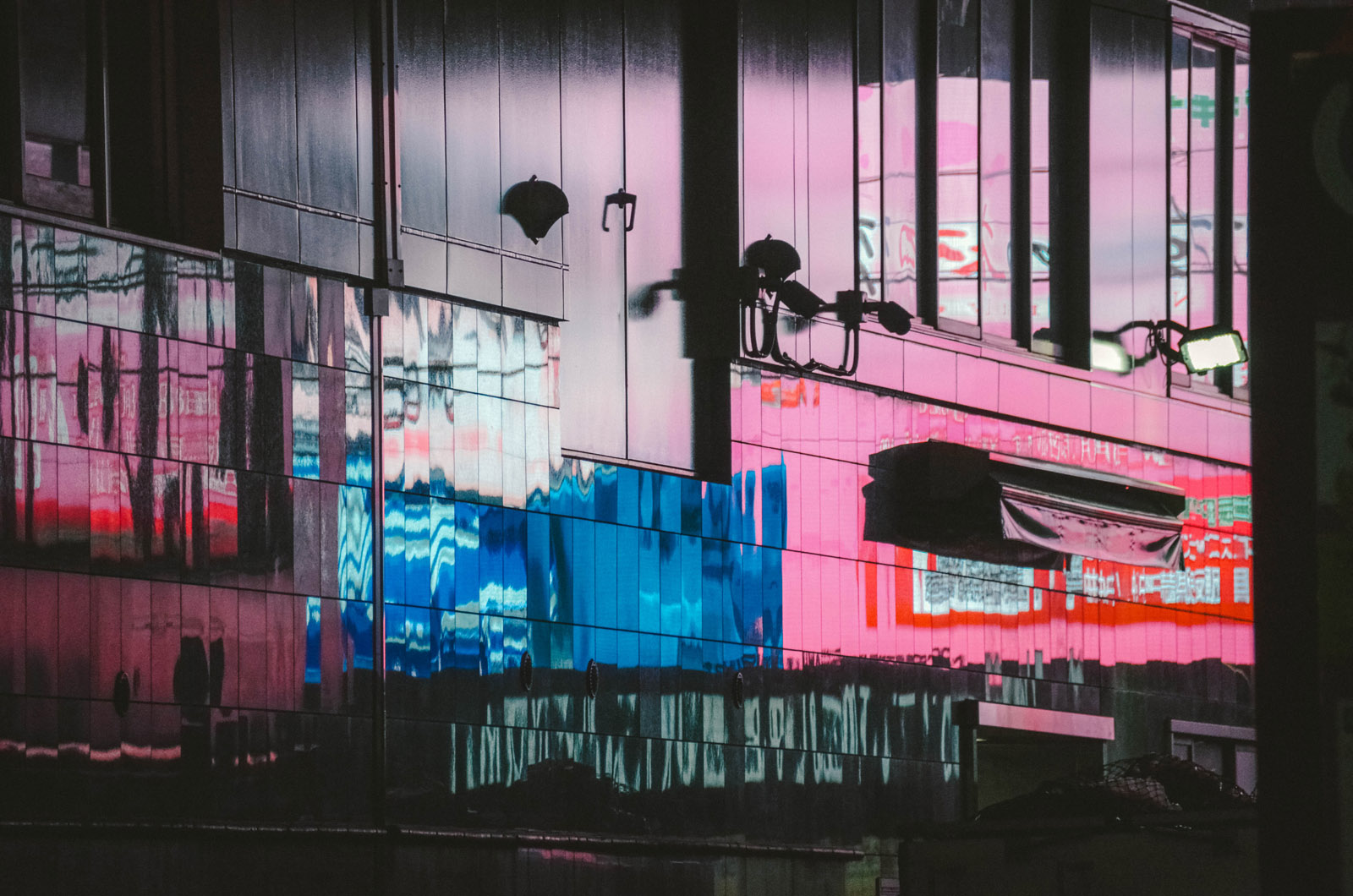
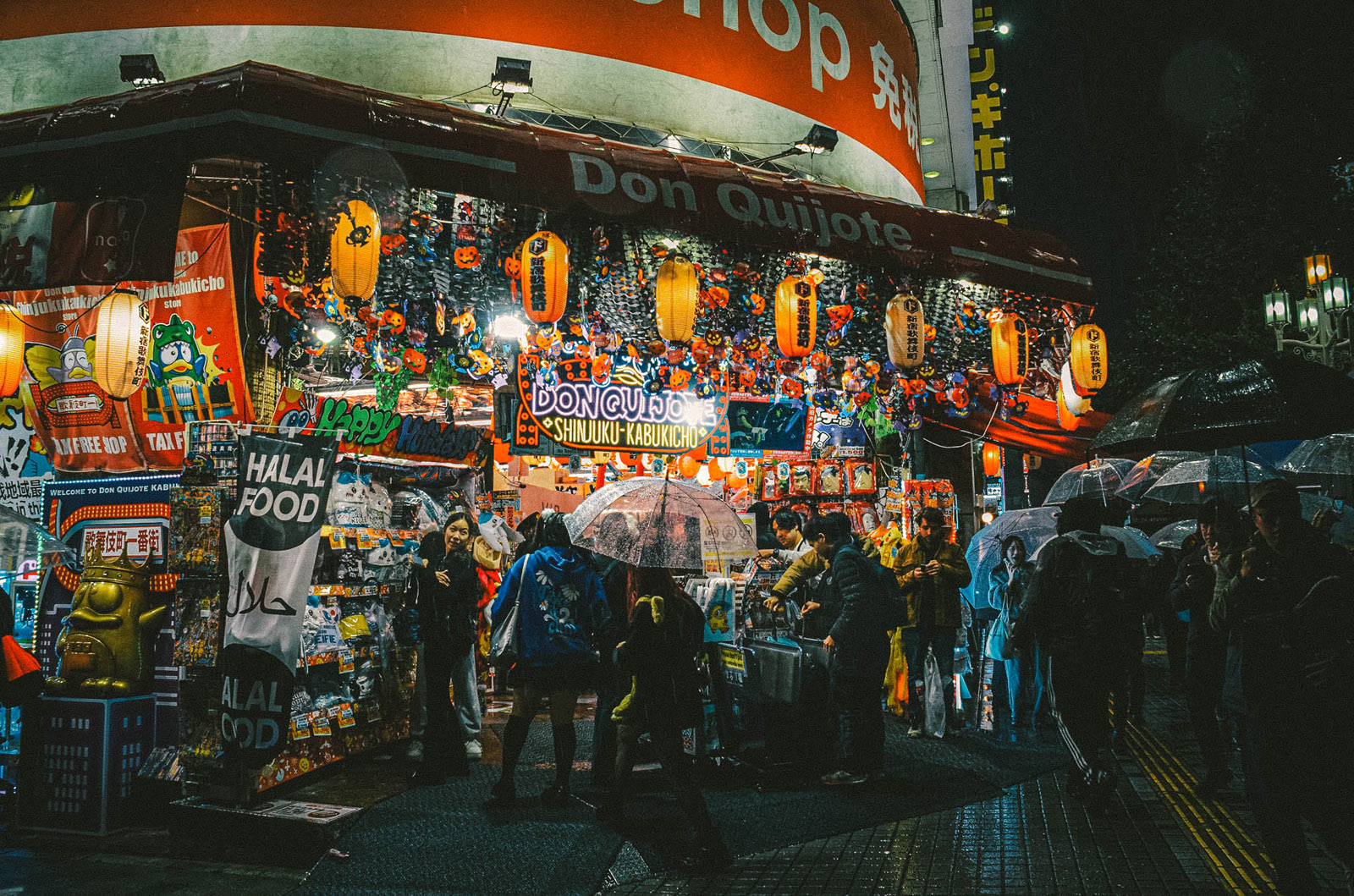
However, upon my arrival to the bustling metropolis of Tokyo I found myself drifting around its fringes, becoming increasingly lost in an ever-worsening language barrier. The social etiquette of Japan eludes me, the alien alphabet consisting of Hiragana, Katakana, and Kanji stopped me from ever understanding the street signs, and the language itself exuded a strange, indistinguishable noise to my naive English ears. As I stumbled around the neon-lit maze of Tokyo I could feel myself slipping ever deeper into exile from Japanese society.
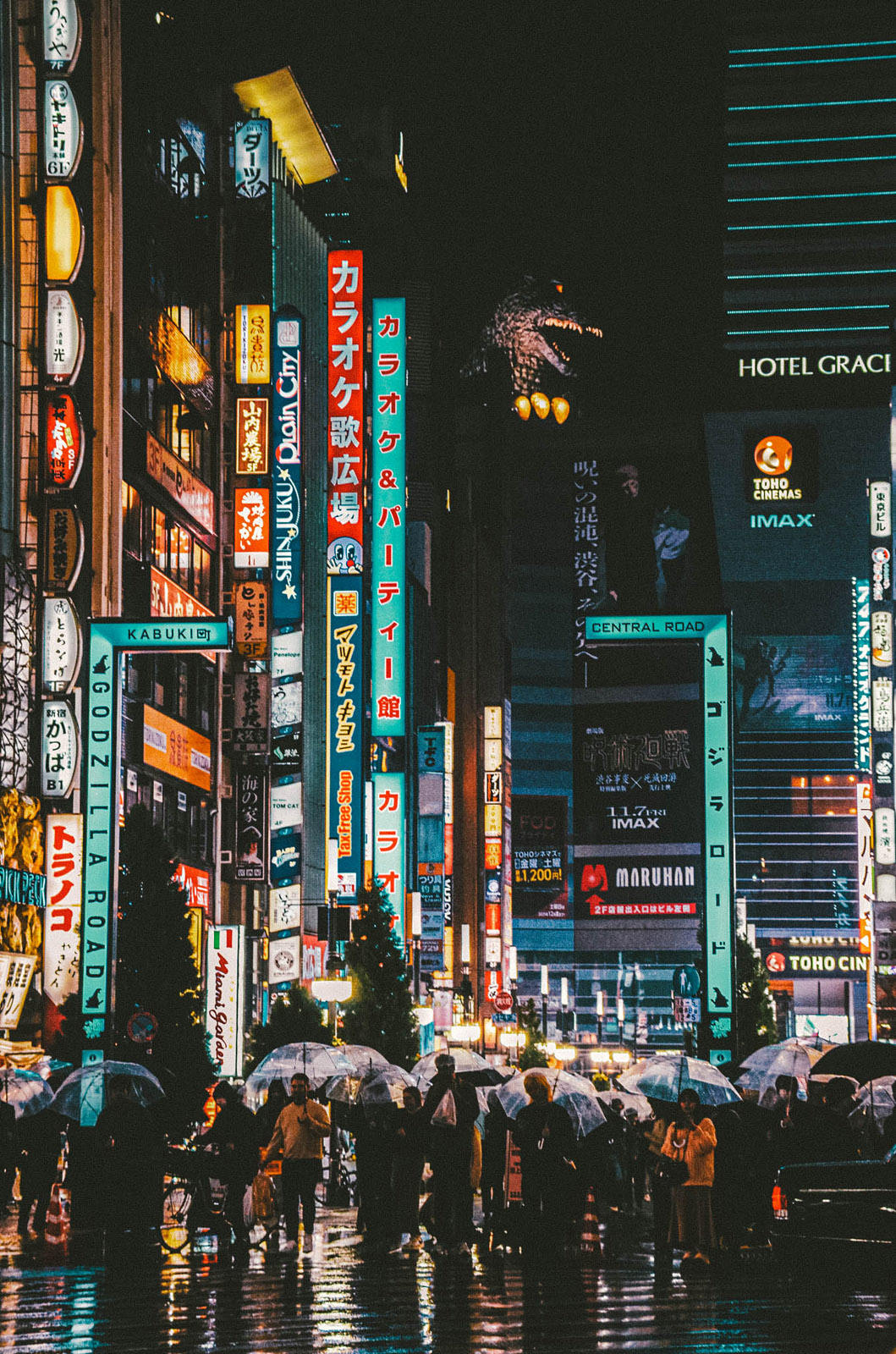
It dawned on me that I had taken my privilege as an English speaker for granted. We simply assume others will be able to speak English, yet we rarely take the time to learn the language of the country we are visiting. My early experiences in Tokyo were because of my unwillingness to educate myself on Japanese culture. I had become everything I hated. The bumbling, obnoxious English tourist.
In an act of shame, I fled Tokyo’s concrete jungle. Leaving the many unfamiliar faces behind.
Finding Peace in Seiyo
I hastily boarded a domestic flight and set off for Japan’s scenic, and quieter, Ehime prefecture. Specifically, the city of Seiyo, where I have a friend. He kindly let me stay with him for a week, an offer which I accepted for its promise of familiarity.
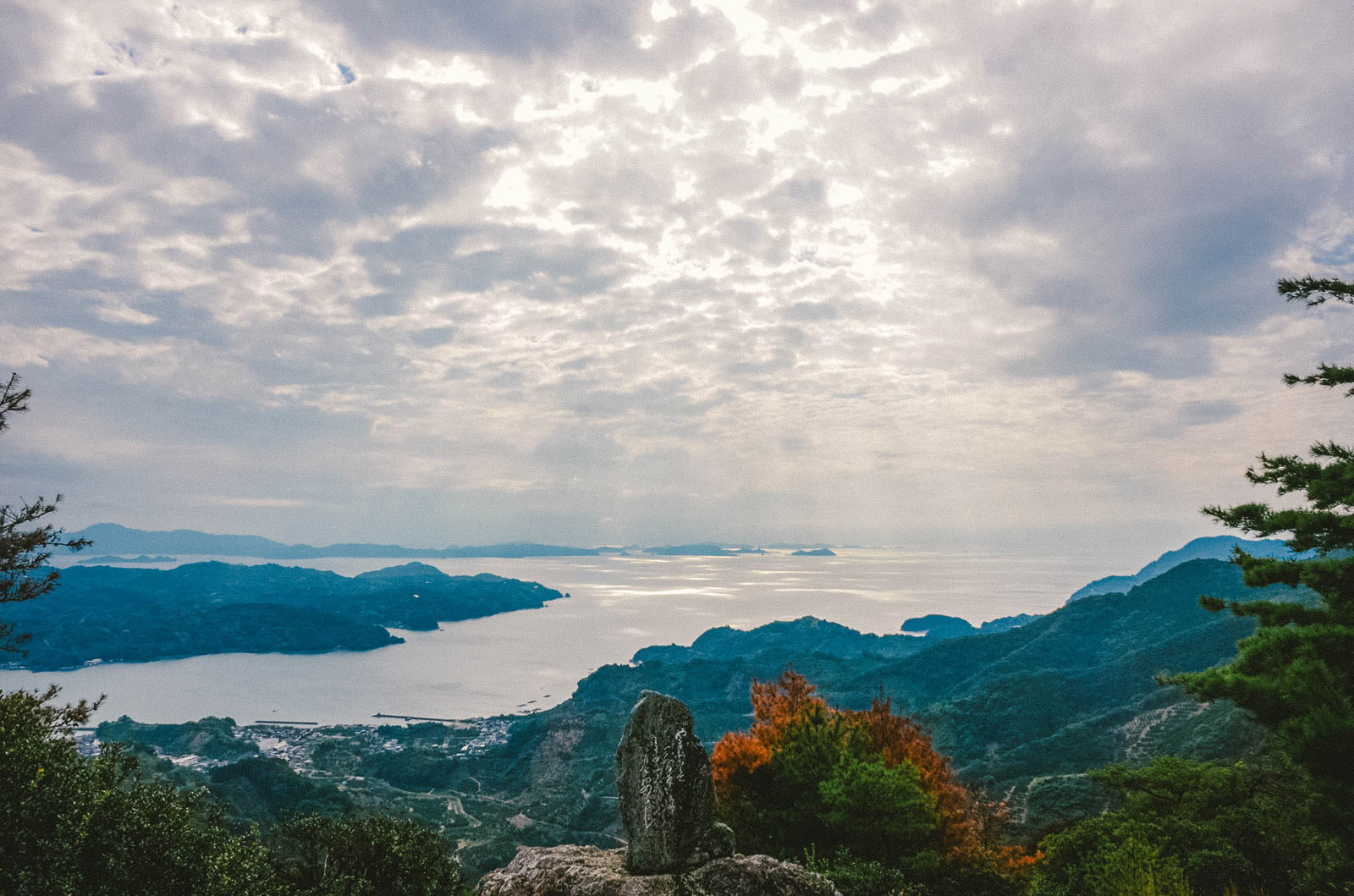
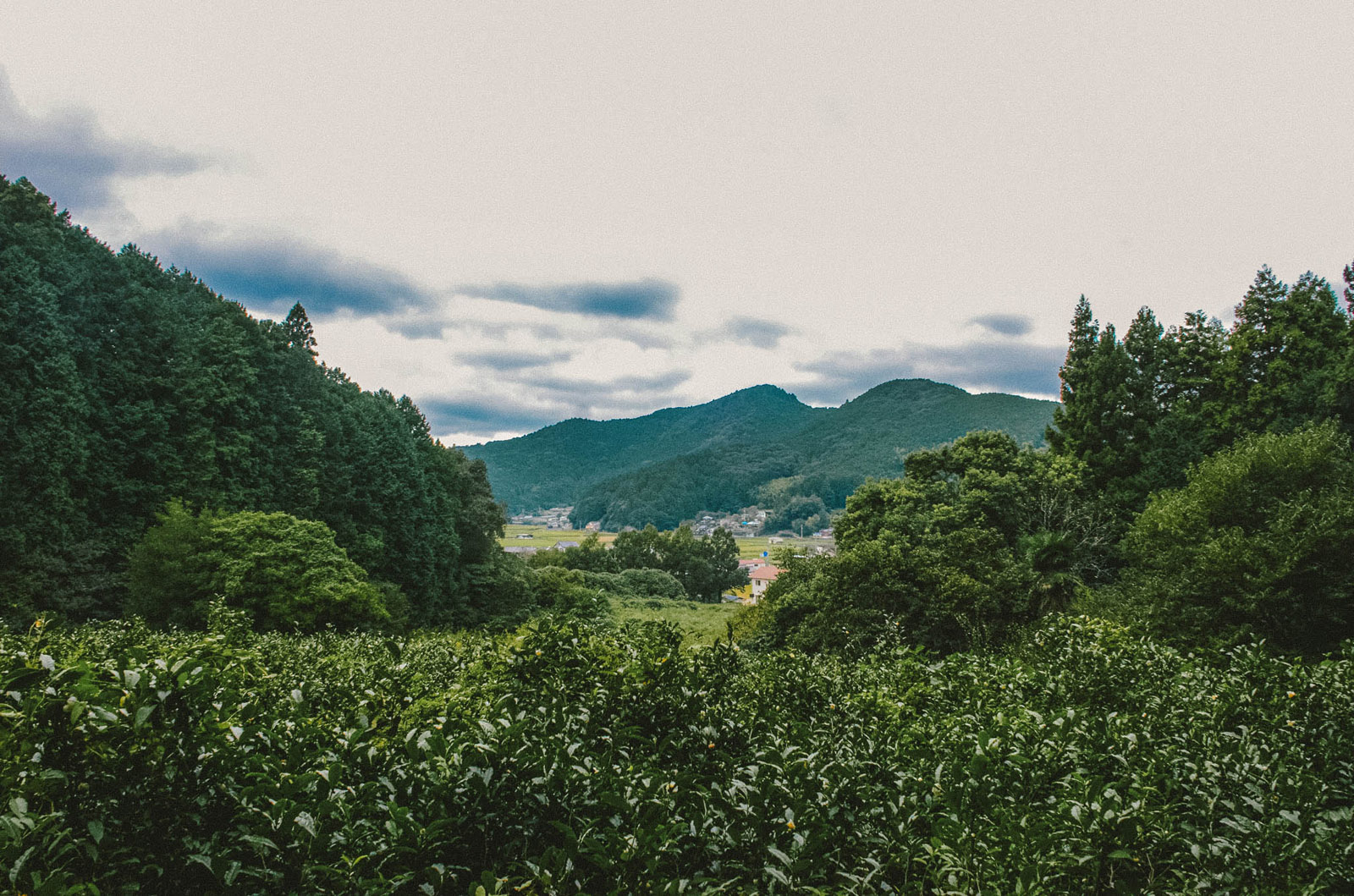
I spent my first days in Seiyo reminiscing with my friend Tyler about our lives back home, meeting his English-speaking friends, and finding tranquil solitude upon hikes around the prefecture’s jaw-dropping landscape. The suffocating culture shock of Tokyo was behind me, and those within my social circle could now understand me.
However, after three days of speaking English and retreating into familiar surroundings, I was starting to get complacent. Tyler began to try lifting me up off the couch, and back into the real world. It was time to make myself squirm with uncertainty again. It was time to grow.
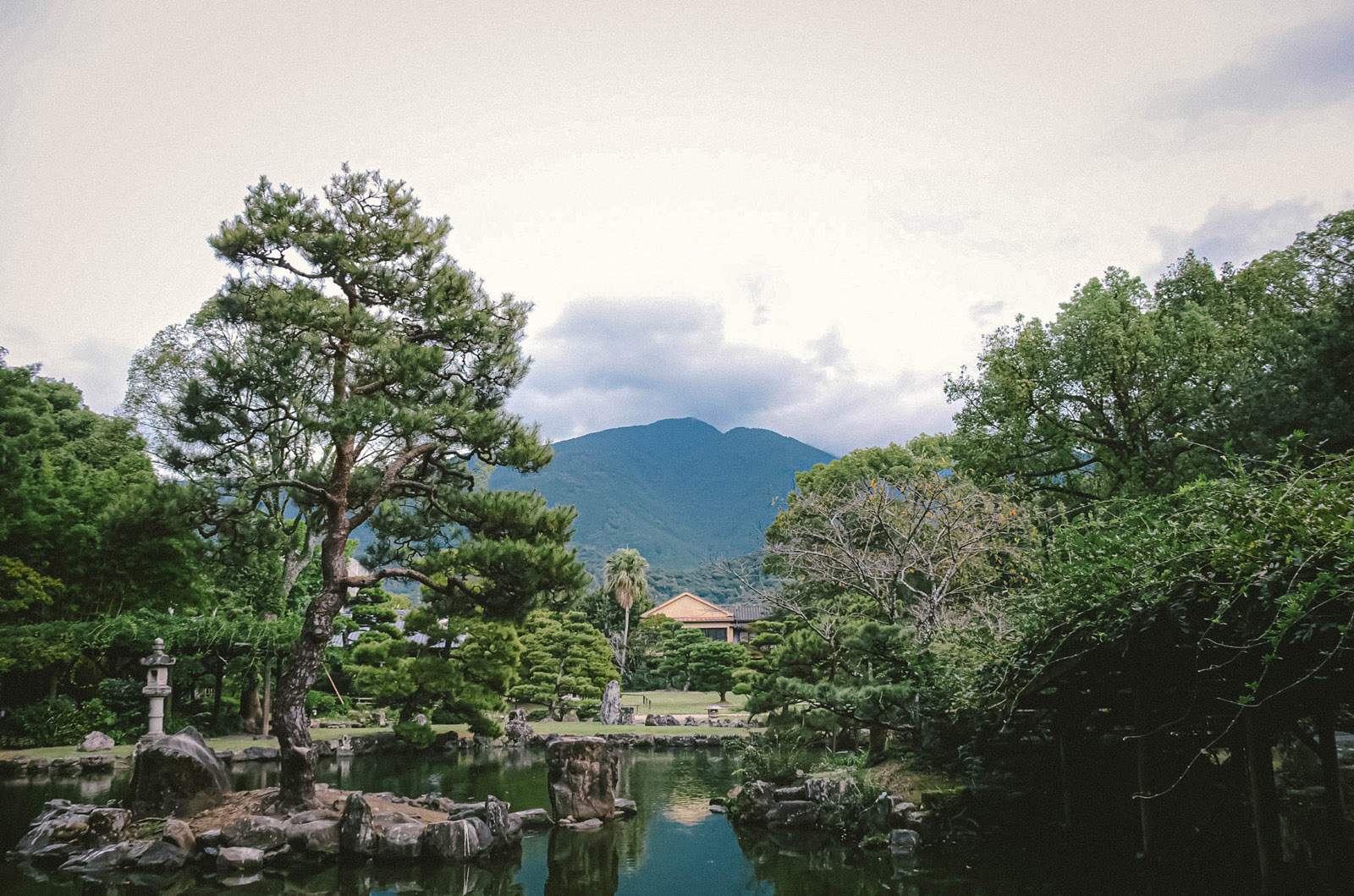
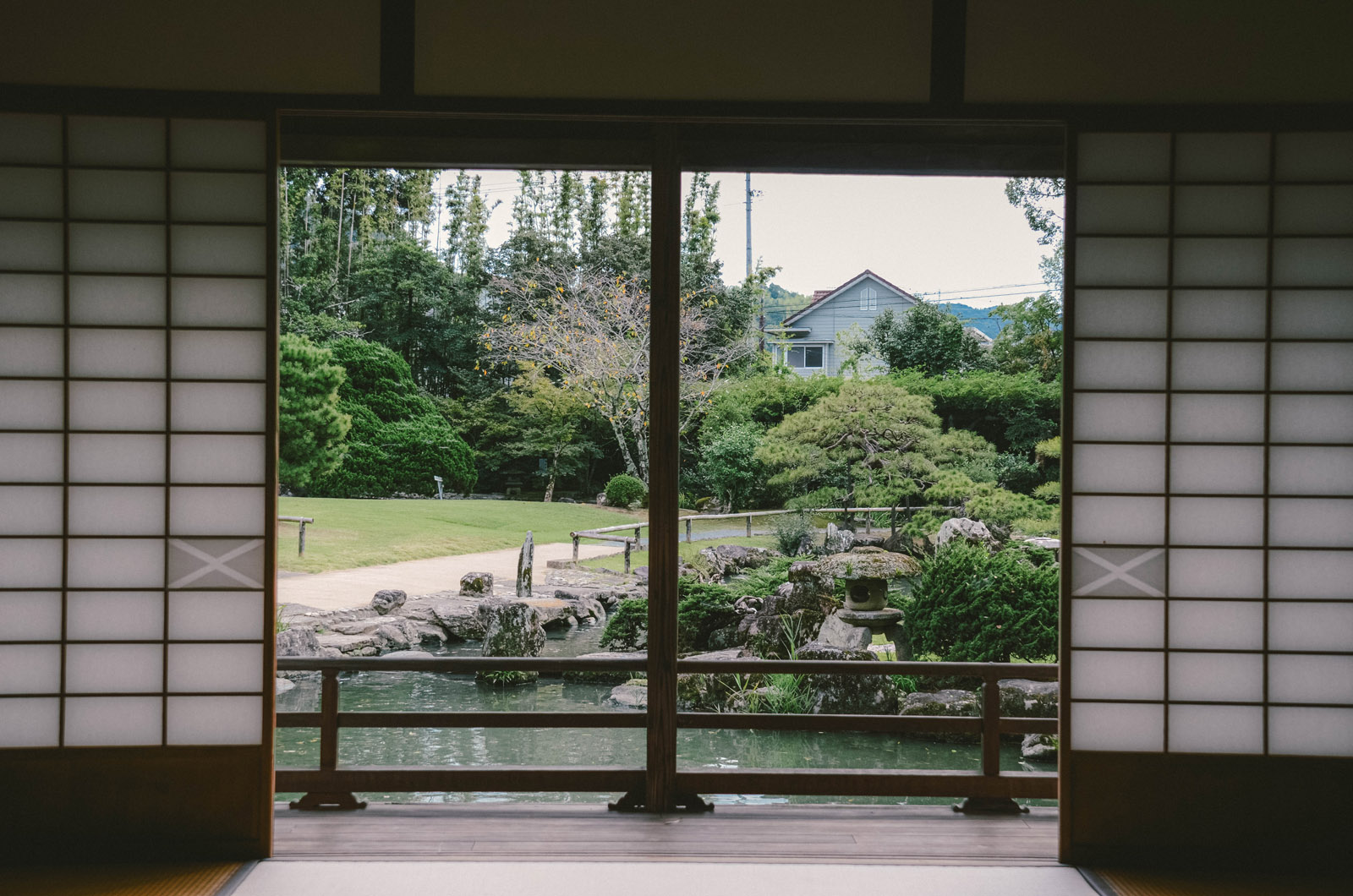
I journeyed to the surrounding city of Uwajima which boasts an impressive number of spots to unwind and reflect. Tensha-en Garden was a highlight and felt as if I stepped through a time machine back into Japan during the 1800s. Every element of the garden has been meticulously planned to ensure it achieves a soothing balance. Around mid-April, flowers are usually in bloom, including an arch bridge lined with white wisteria that span its length. Bamboo groves sprawl out in formation across the banks of the garden’s pond, and the pond itself is shaped into the kanji word “kokoro”, meaning “heart” in English.
The enduring peace of these moments vastly contrasted against my utter failure to work the ticket machine at the train station. Whilst confident enough to re-enter Japan’s society, I was still struggling with the language barrier. I couldn’t help but recognise the irony of my trip. Sitting for hours within the tranquillity of Japan’s horticultural beauty couldn’t be further removed from the embarrassment and frustration I felt when failing to achieve the simplest of tasks.
Perhaps it was time I accepted myself as an outsider.
The Mikoshi Festival
Having embraced my position as a gaijin (foreigner), I was now free to experience all Japan had to offer without fear of judgement. This realisation led me to my most memorable moment across my travels.
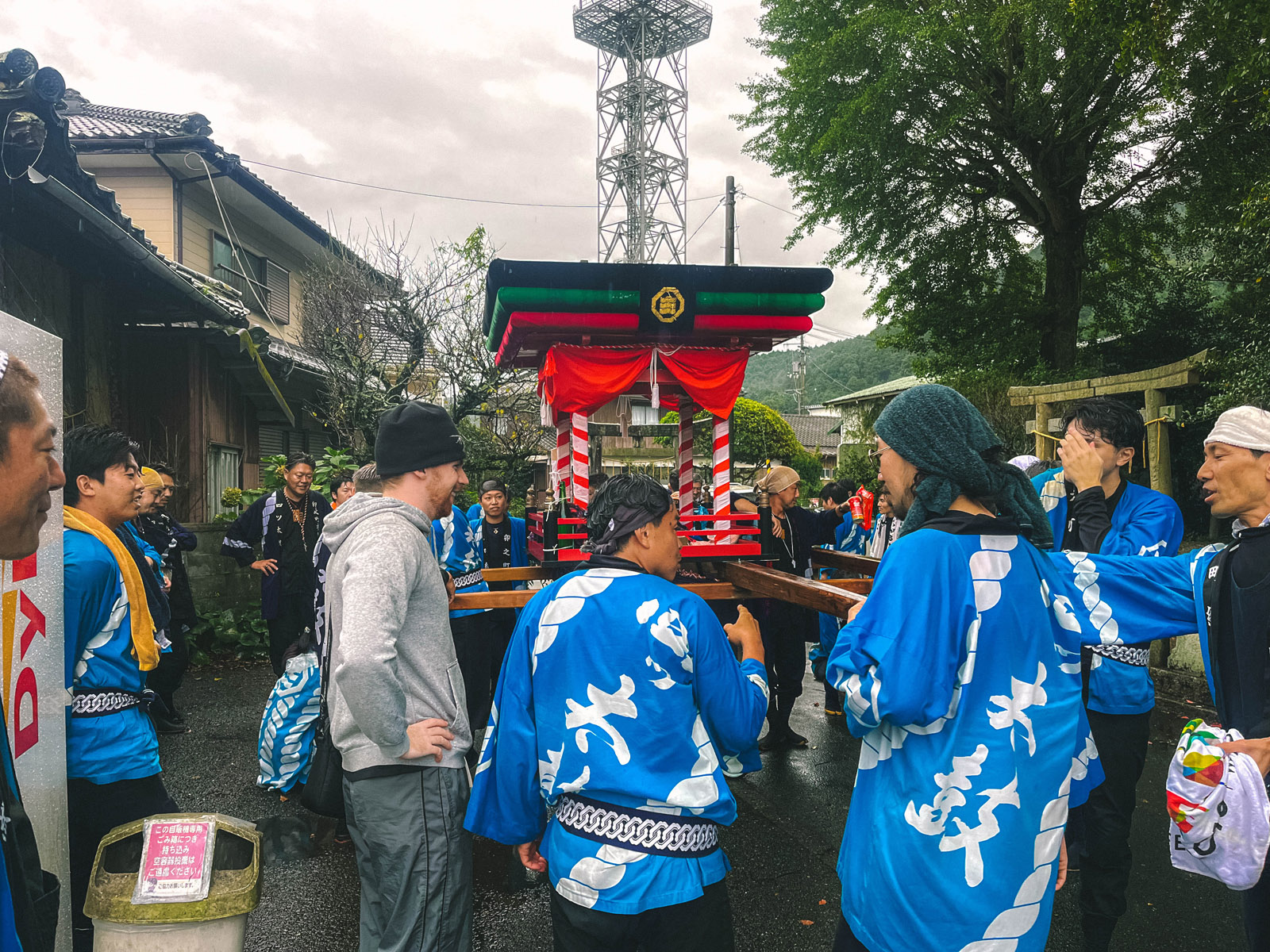
Every year Japanese communities gather at their local Mikoshi festival. Women, men and children partake in the exhausting yet exhilarating (and very inebriating) tradition of carrying the mikoshi through their town or village. In simple terms, a mikoshi is a portable mini shrine that houses a sacred deity. Starting as early as 8 AM, the mikoshi shrine is hauled around the neighbourhood to purify the area, ward off misfortune, and bring blessings for a good harvest, plentiful catch of fish, or other wishes.
Me and Tyler soon found ourselves drawn into the festival’s mayhem. Locals dressed in ghoulish oni (monster) masks circled the shrine, chasing after onlookers and snapping their gaping mouths in an act of devilish humour. It took no time at all for them to bear down on the only two foreigners watching the festival. Seconds after I locked eyes with the oni my head was swilling around its jaws like a piece of carrion tumbling down the throat of a lion.
As its teeth dug further into my skull, I wasn’t despairing but instead thinking—“This would never have happened in Tokyo.” In a sadistic moment of unity, I finally felt connected to people in Japan. As I pulled my head from the beast’s jaws a local said to Tyler: “If the oni bites you, you’re granted one year of good luck.”
Kanpai!
Through a blend of positive body language, beaming smiles, broken English, poorly translated Japanese, and plenty of Asahi, the people of Seiyo made me feel as if I belonged. As the mikoshi march wound down, me and Tyler stood idly trying to figure out what to do next. We were tipsy enough to consider staying out until the early hours. Perhaps the locals could see our drunken optimism and came over to invite us to a “funny place”. Funny place you say? How could I ever say no to that.
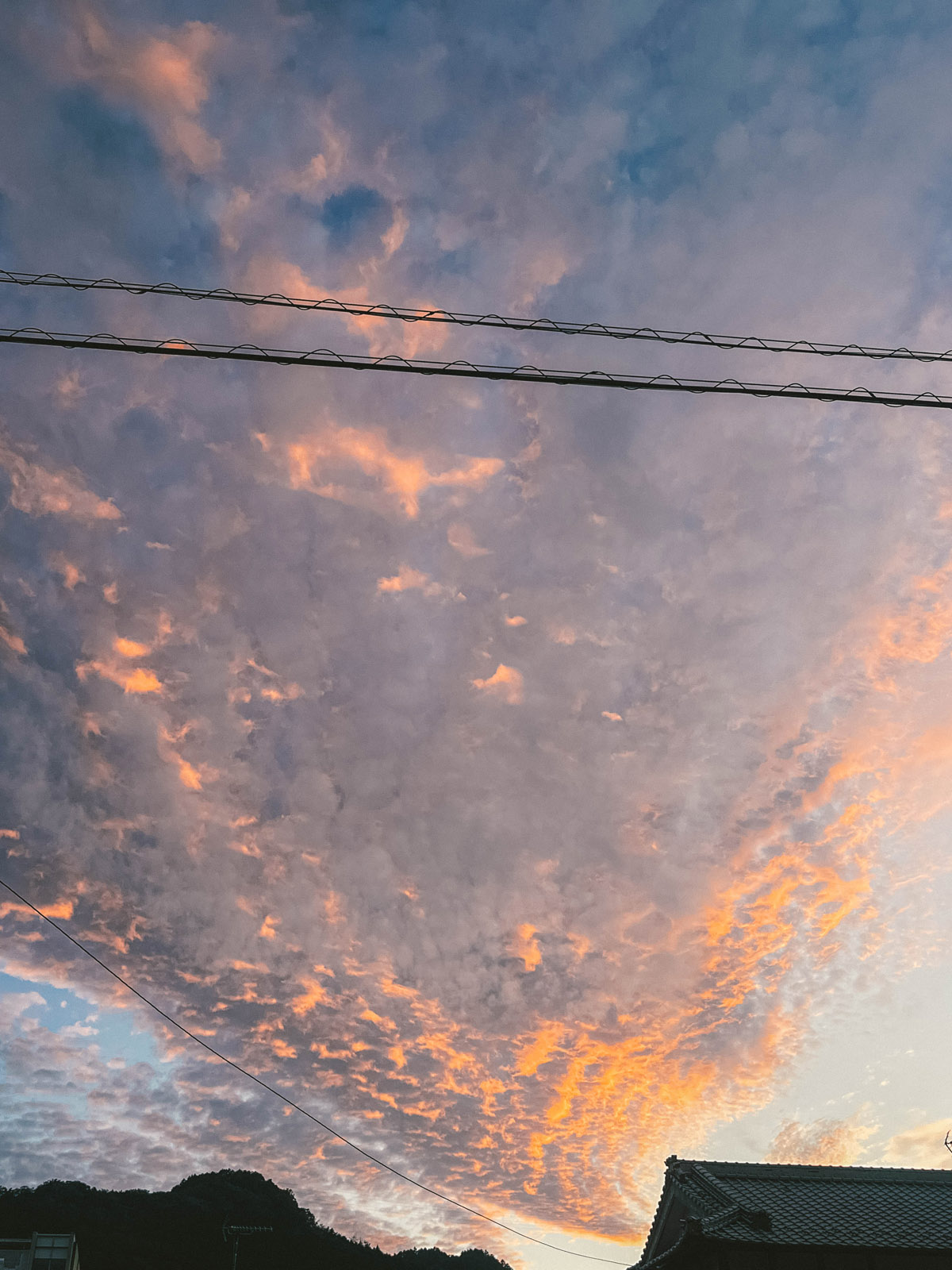
Unsure as to where I’d end up, my hopes were high as the sun fell behind the mountain ridges and cast a crisp sunburnt orange glow across the rice fields. Imagine my shock when my gaze was brought to what appeared to be someone’s grandma’s house. Outside was a bustle of festivalgoers all drinking, smoking and laughing. Me and Tyler were met with an onslaught of cheers and the promise of food.
Upon stepping inside, the pungent smell of sushi, gyozas and freshly grilled yakitori filled my nostrils. These people have known us for the best part of an hour, and we can’t even understand each other, yet here I am. Side by side with them. Sharing their food. Sharing their tradition. Sharing their time.
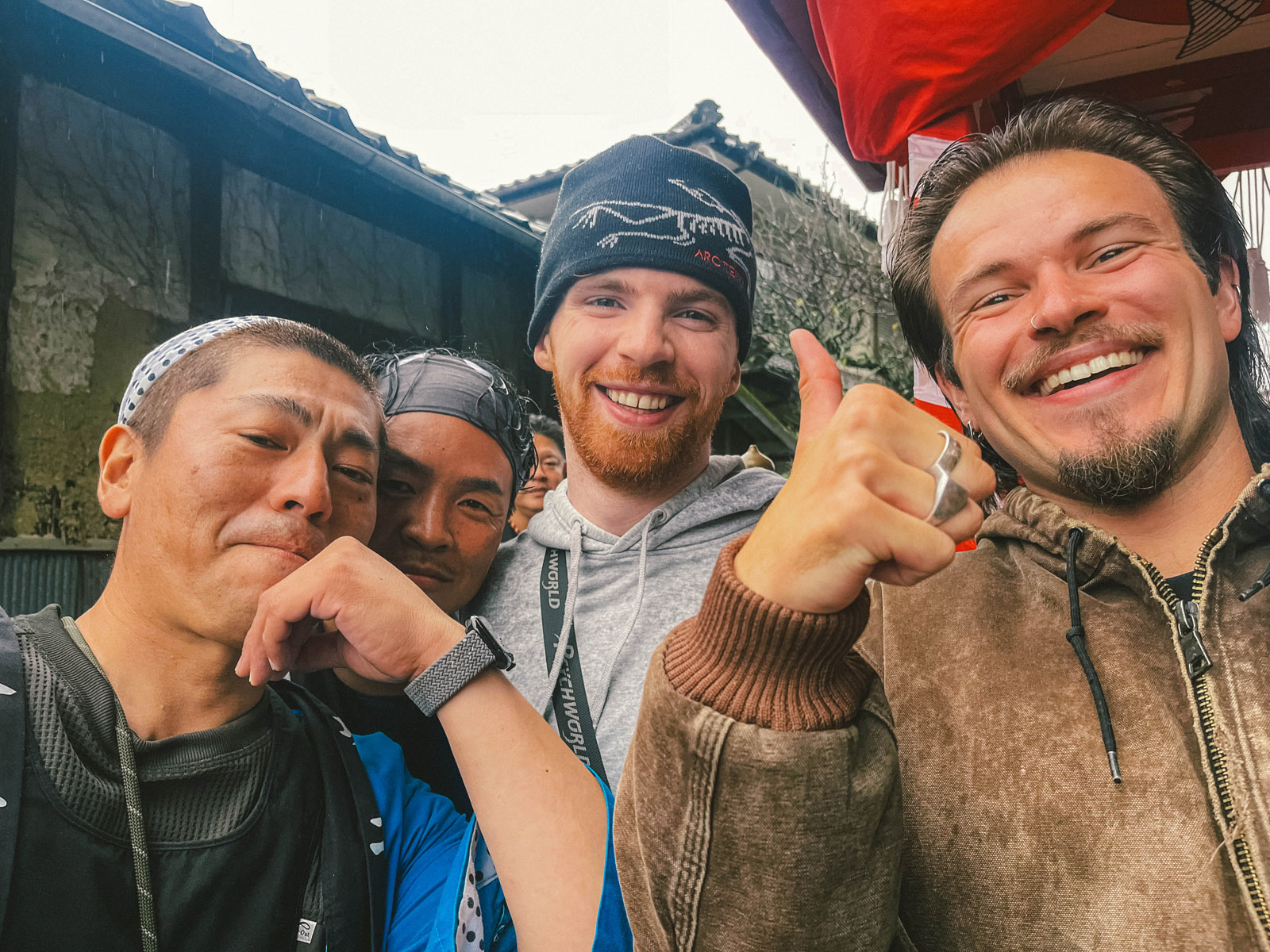
My sake glass was never empty, my plate never barren. Little gestures like this demonstrated to me that this room was full of love. Because of this atmosphere I felt able to try and communicate. Whilst passing my translation app back and forth I came to learn the man across from me hoped to be a graphic designer. He was opening a silkscreen print shop in Seiyo where customers could learn his trade and create their own t-shirts. As my phone got tossed back and forth, I could feel with each eagerly written response that his trade meant the world to him. He planned to go to Barcelona to attend some design classes and introduce Europe to his ideas. I took his business card and intend to follow his successes.
The local sake brewer rowdily filled up my glass, making sure to spill a healthy amount all over my trousers, a universal sign that things are about to get messy. All around me I saw friends crying with laughter. Telling each other jokes in foreign tongues I couldn’t understand but which I laughed along to anyway. One man was able to say one English phrase which he repeated the whole evening: “My penis is a North Korean missile.” Hilarious.
I asked another man “Where are we heading after this?” He drunkenly spewed words into my iPhone. His answer translated to: “I’m in Hawaii.”
The nonsensical nature of this interaction will stay with me. It shows how much you can laugh with strangers without ever speaking the same language. There’s a comfort found in being able to act a fool without fear of judgement. It transcends the language barrier.
Throughout this evening, I realised that those in attendance appreciated me for me, and I appreciated them for them. There was no avoiding it, I was an outsider in that situation, I didn’t understand the world I was in. But I wanted to learn. And the locals of Seiyo wanted to teach me. Vice versa they wanted to learn about my upbringing, about my culture, about me.
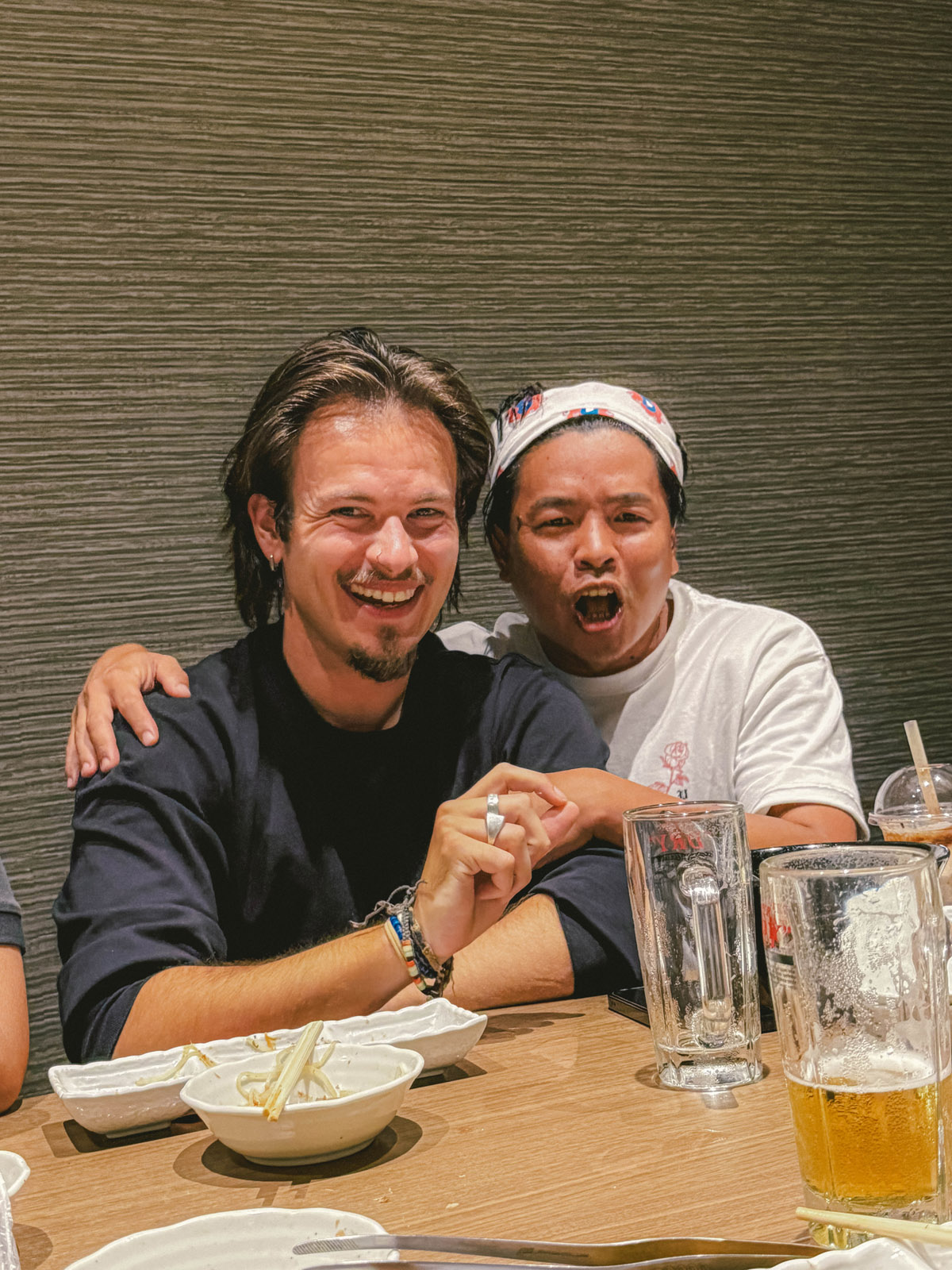
Across a trip where I witnessed the decadent side-streets of Kyoto’s Gion District, indulged in some of the highest quality food I’ve ever had the pleasure to eat and experienced more world-heritage sites than I can count, my fondest memory was found in the most unlikely of circumstances. Half-drunk, tucked away in a back room of someone’s house, gorging on home cooked food and laughing along to jokes I will never understand.
SAM MUMFORD is a freelance journalist and passionate photographer living in Oxford. His work focuses on fringe spaces and alternative cultures. You can find more of his work on his website, https://copyfol.io/v/fhnkgrrp, and reach him at sammumford99@gmail.com.