
SILK, SAND, AND SNOW
BY JOSEF BUERGI
The dust of the Karakoram Highway has barely settled on my boots, but the fragrance of saffron tea and the haunting echoes of the Muqam melodies remain as vivid as ever.
In March 2025, I embarked on a journey to Southern Xinjiang, a region that feels like a gateway to a different era. From the alpine stillness of the Celestial Mountains to the dizzying hairpin turns of the Pamir Plateau, this was a traverse through the ancient, beating soul of the Silk Road.
My adventure began in Urumqi, the most inland city in the world. After a long flight into the heart of Central Asia, the immediate warmth of an authentic Xinjiang dinner—fragrant lamb, hand-pulled noodles, and spices that tell stories of a thousand years—was the perfect welcome.
The northern leg of the trip peaked at Heavenly Lake, or Tianchi. Sitting at 1,900 meters above sea level, the water mirrors the jagged Boghda Peak, which towers at 5,445 meters above sea level. By veering away from the main tourist paths, I found a quiet lakeside trail where the only sound was the wind off the Tianshan Mountains. We shared a simple picnic of fresh Nan bread, local desserts, and dry fruits, sitting in the shadow of the snow peaks before returning to the neon energy of the Urumqi Grand Bazaar.
Heading south to Turpan, the landscape transformed into a sun-scorched basin defined by its extremes. It is hard to believe that beneath this arid earth lies the Karez system, an ancient network of hand-dug canals that has sustained life here for centuries.
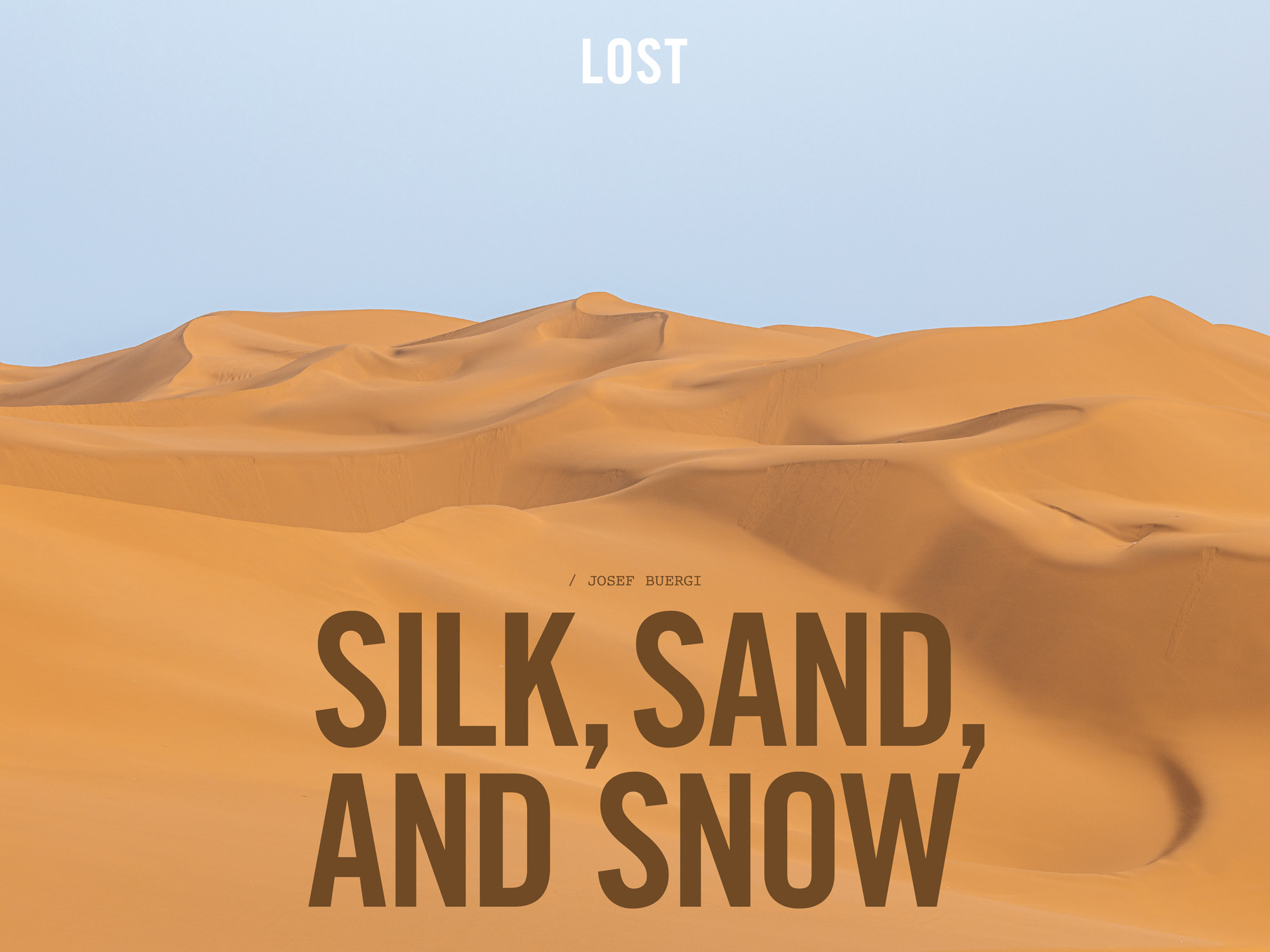
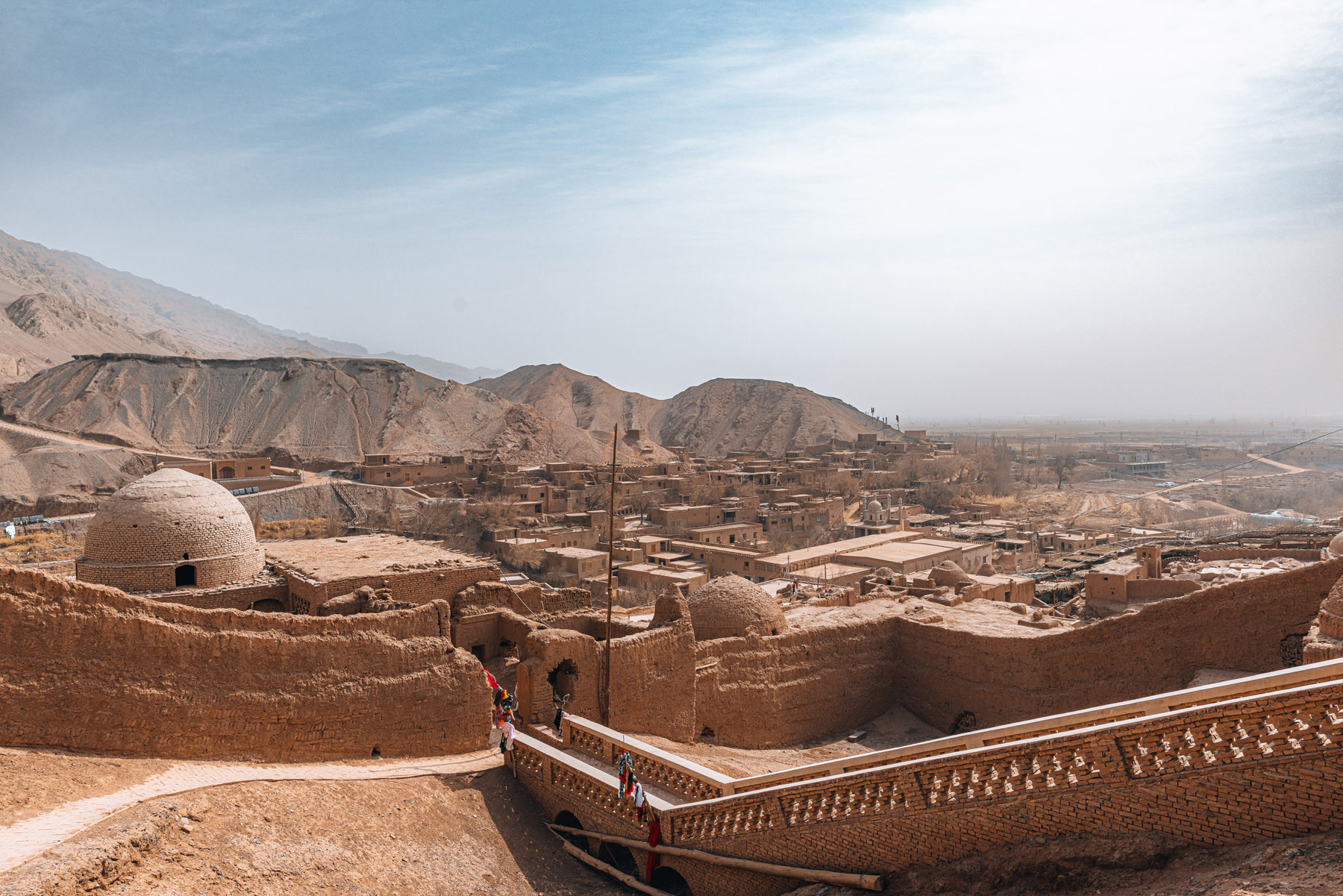
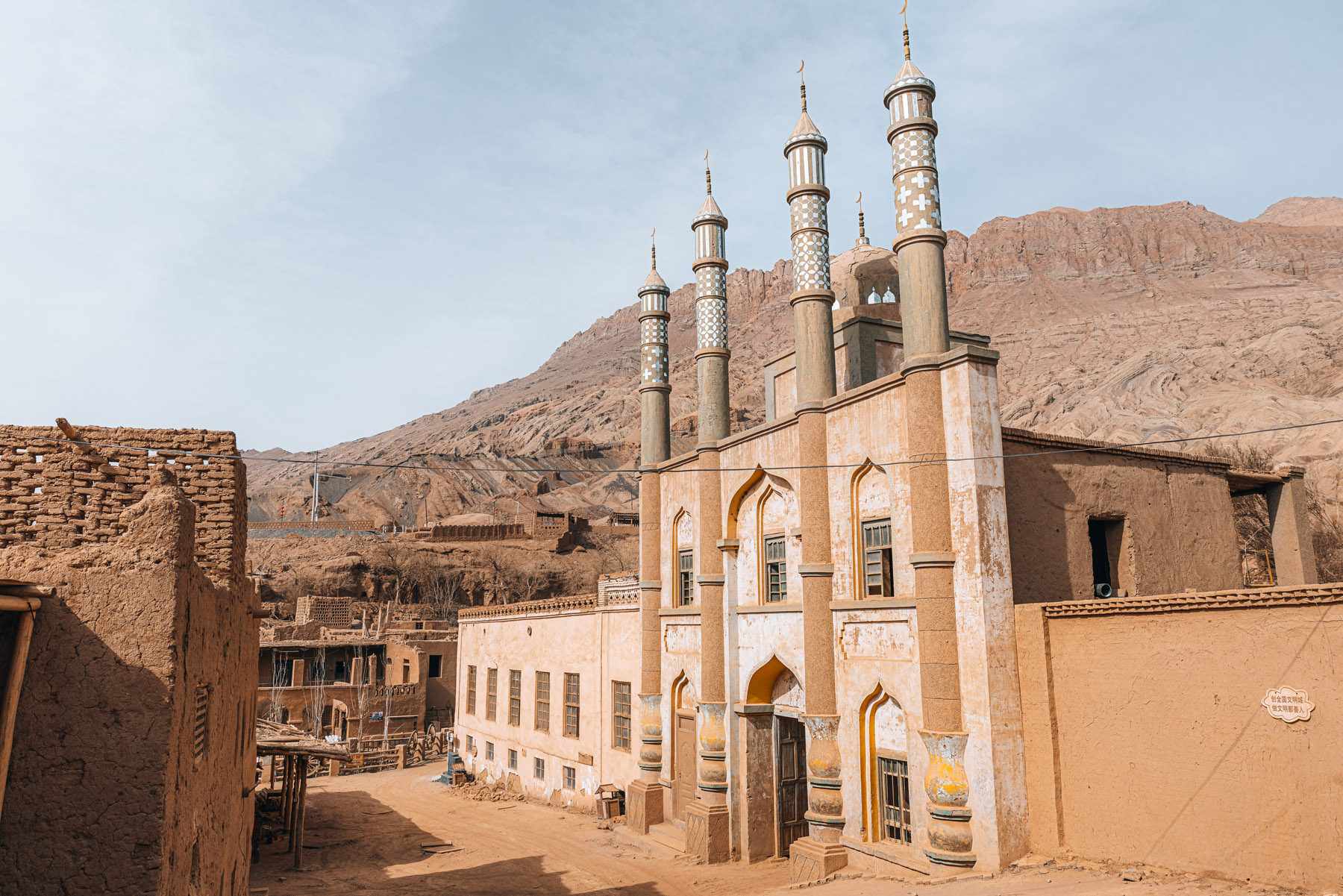
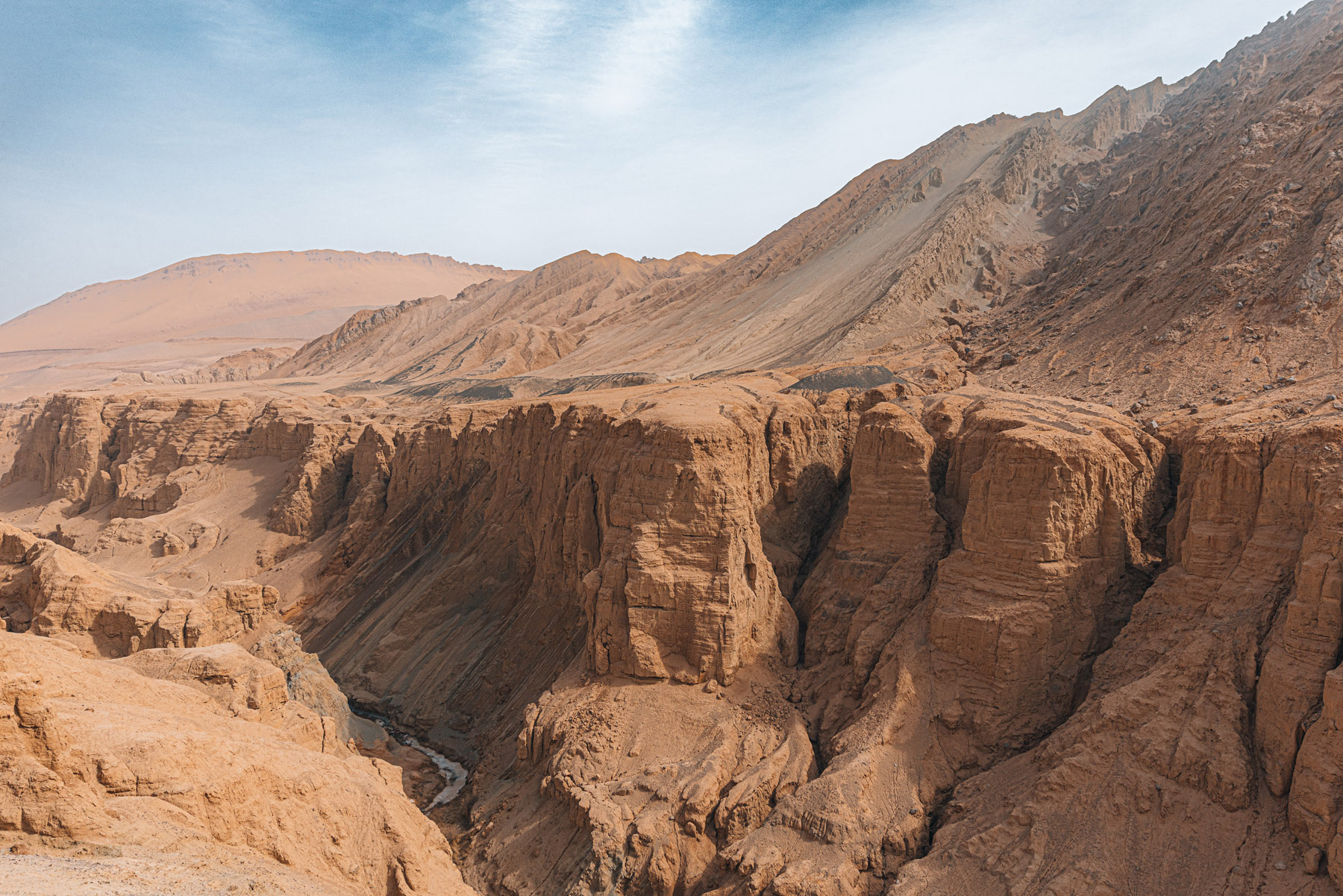
Walking through the ruins of Jiaohe, an earthen city abandoned in the 14th century, I felt the weight of history while wandering through the remains of government offices and silent temples. The desert here is alive with color; we drove into the valleys of the Flaming Mountains at golden hour and later watched the sunset turn the Kumtagh Sand Dunes into a sea of undulating gold. Whether riding a camel through the high dunes or walking the quiet streets of Toyuk Village to share tea with a local family, Turpan felt like a bridge between the ancient world and the present.
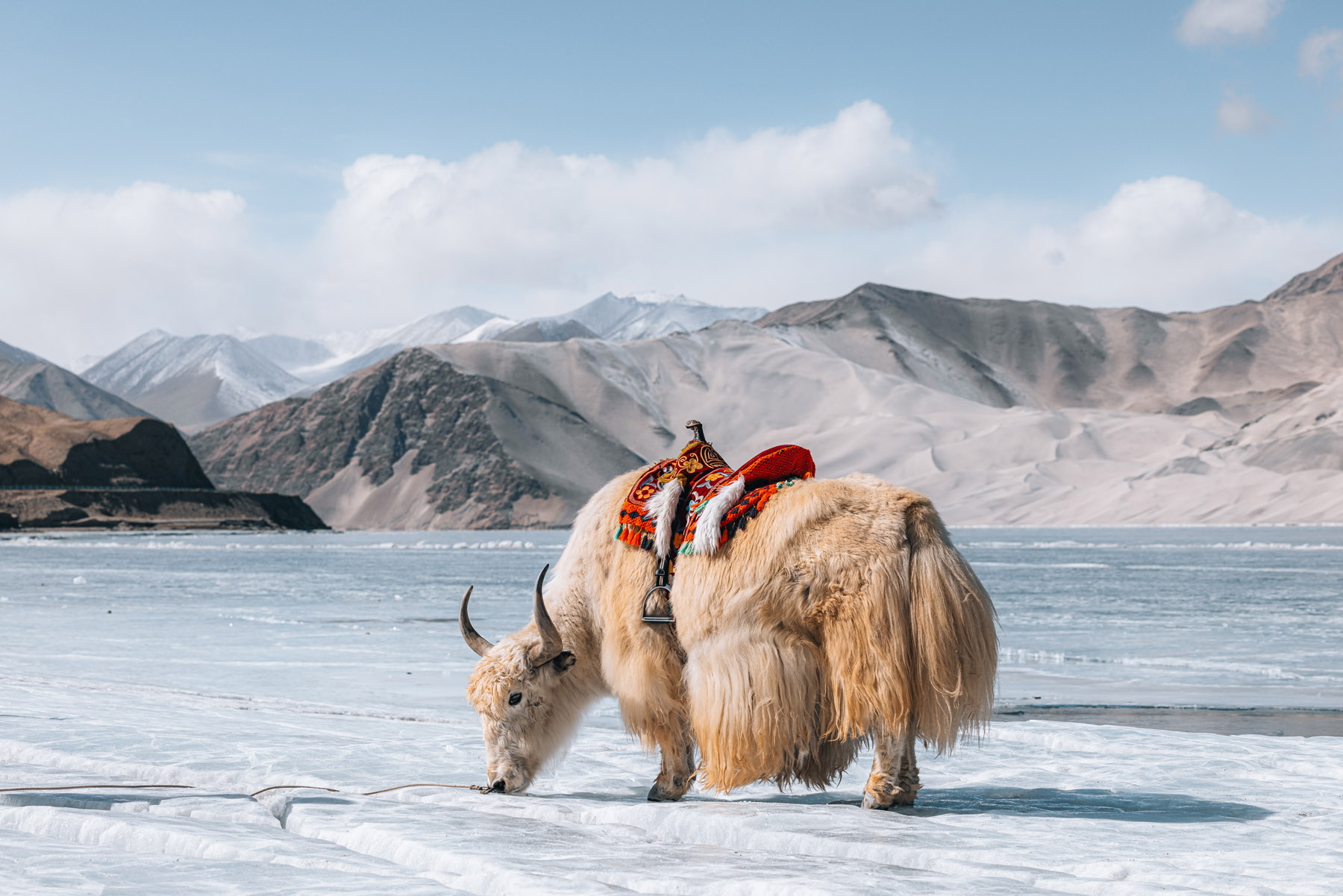
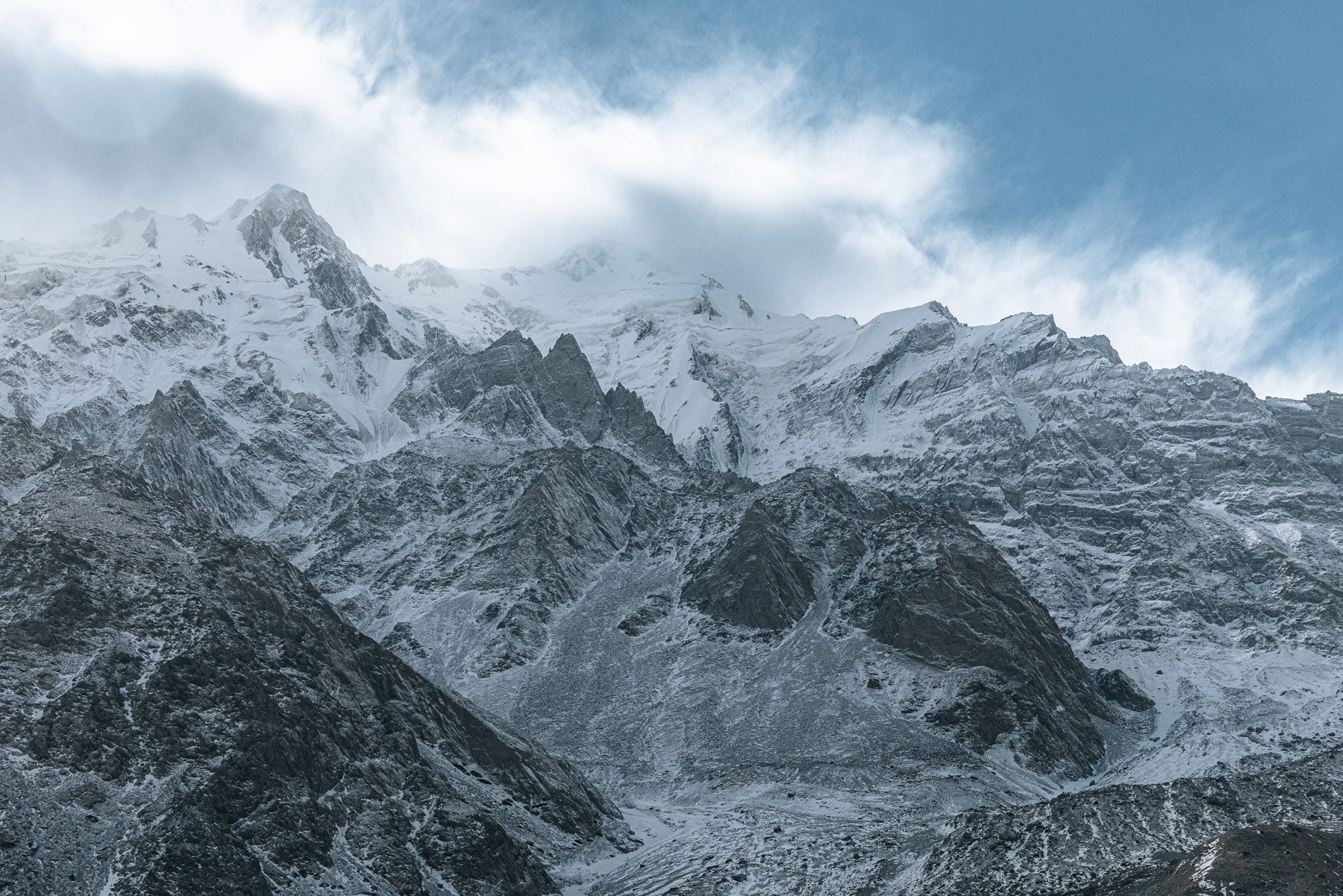
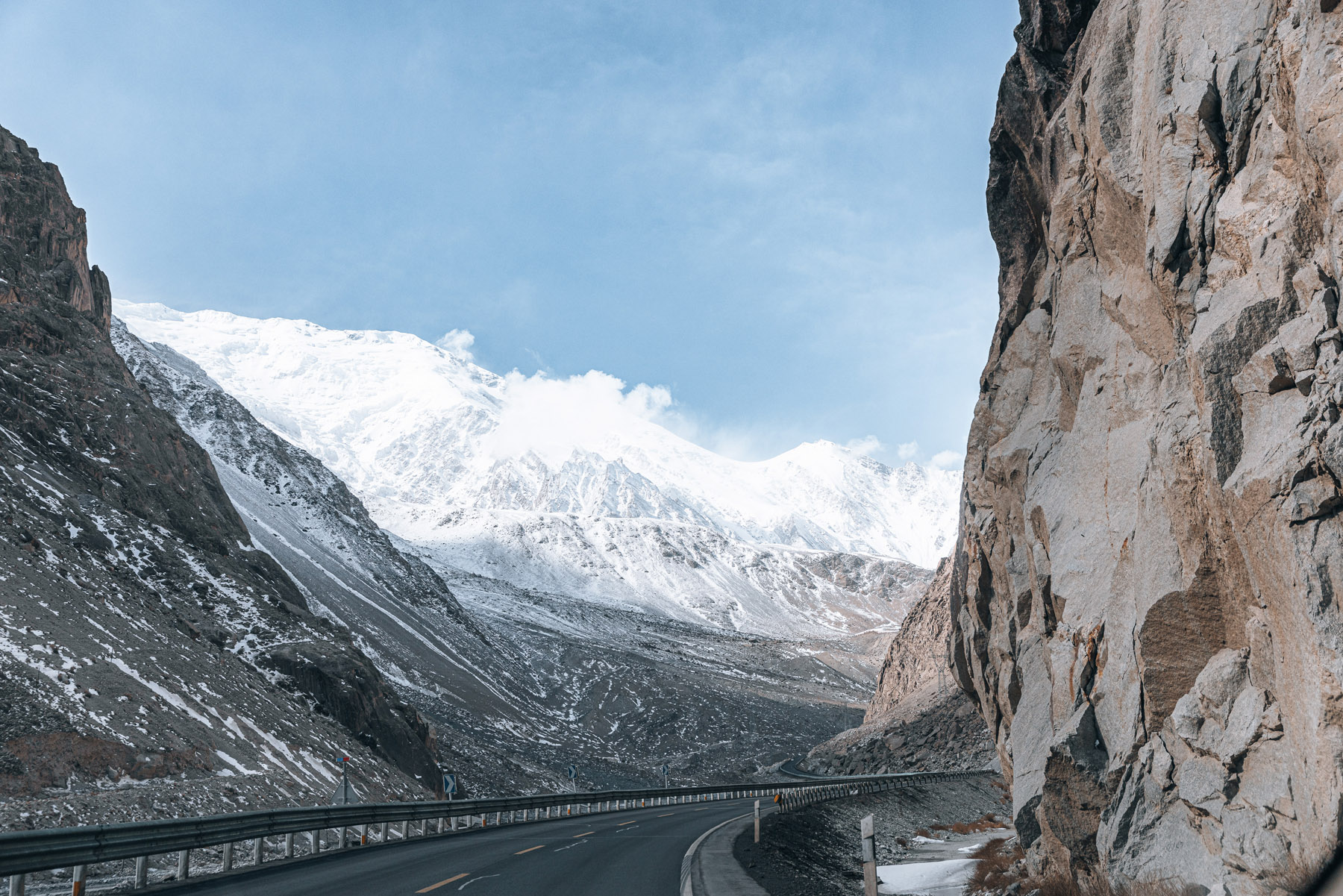
The transition from the desert heat to the high-altitude chill of the Pamirs was nothing short of cinematic. Following the Karakoram Highway toward Tashkurgan, we climbed past the surreal White Sand Lakes to reach Lake Karakul at 3,600 meters above sea level. Standing between the giants of Muztagh Ata and Kongur Tagh, the air is thin, crisp, and pure. In the border town of Tashkurgan, home to the Tajik people, I witnessed the marvel of the Panlong Ancient Road. With over 600 S-turns snaking down the mountainside like a massive dark dragon at 4,100 meters above sea level, it is a feat of engineering that leaves you breathless. We spent our afternoons exploring the ancient Stone City and the golden grasslands that stretch toward the borders of Tajikistan and Afghanistan.
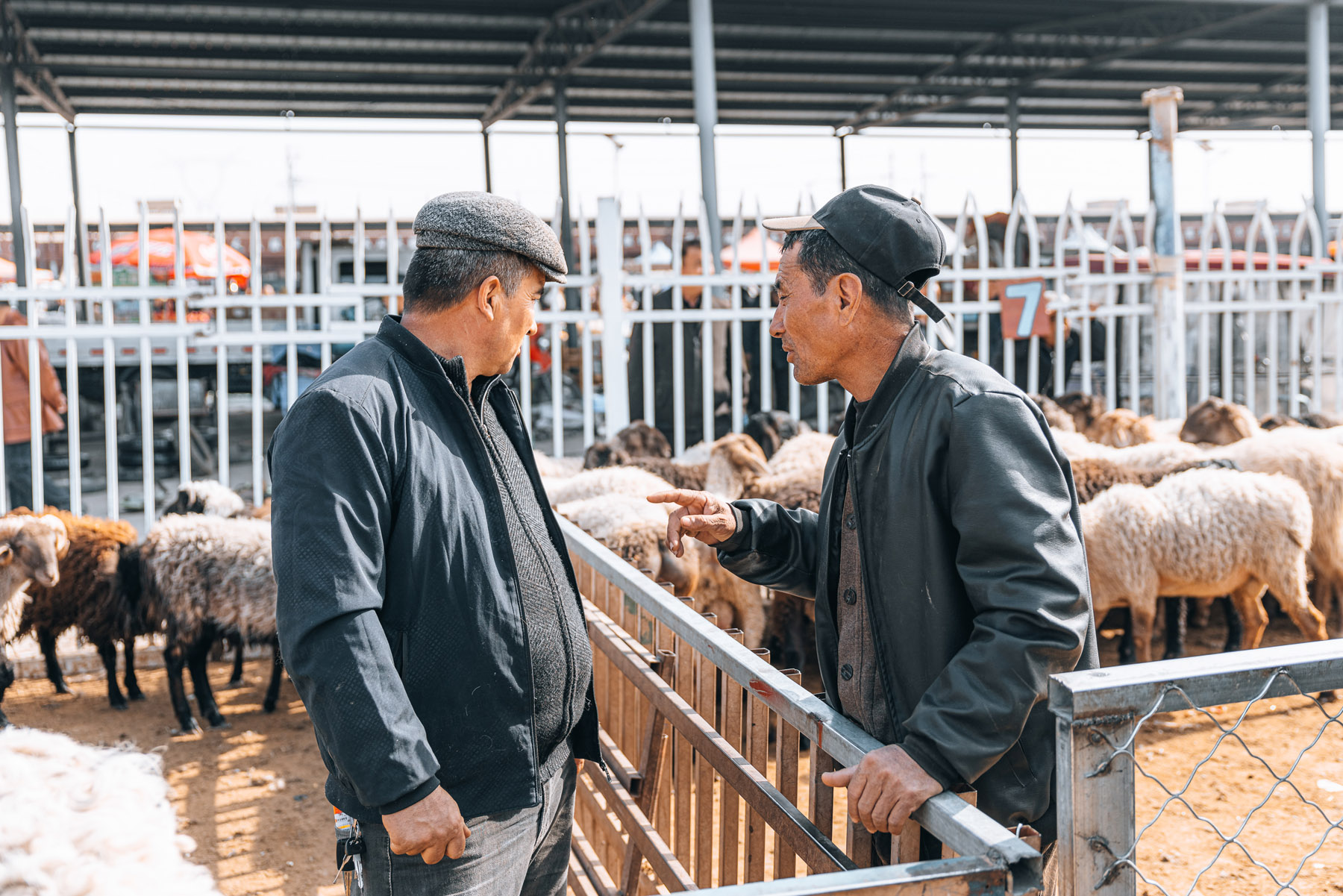
The journey eventually led back to Kashgar, a city that serves as the living heart of this region. No experience can quite match the sensory explosion of the Sunday Livestock Market, where farmers barter over sheep and cattle just as they have for centuries.
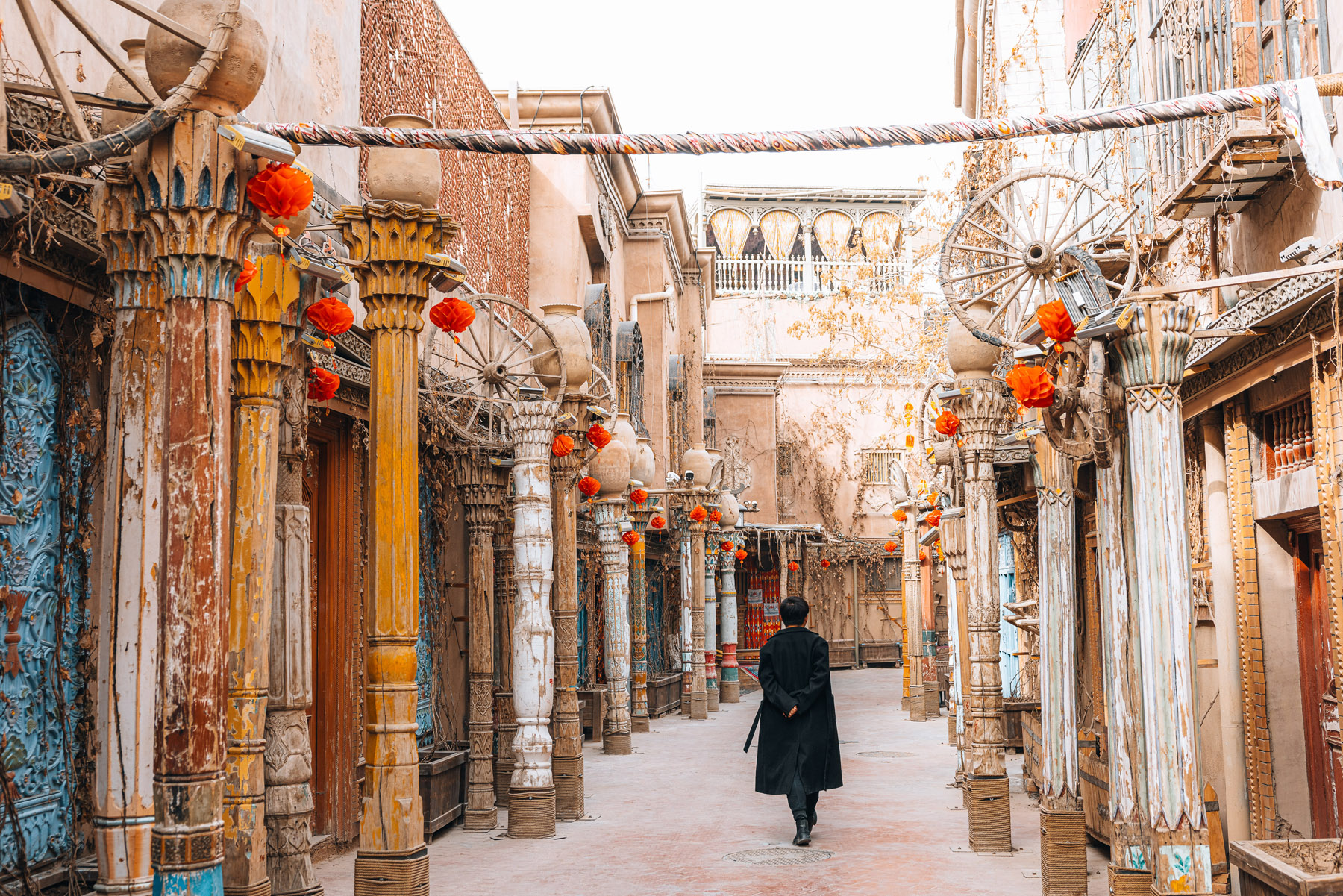
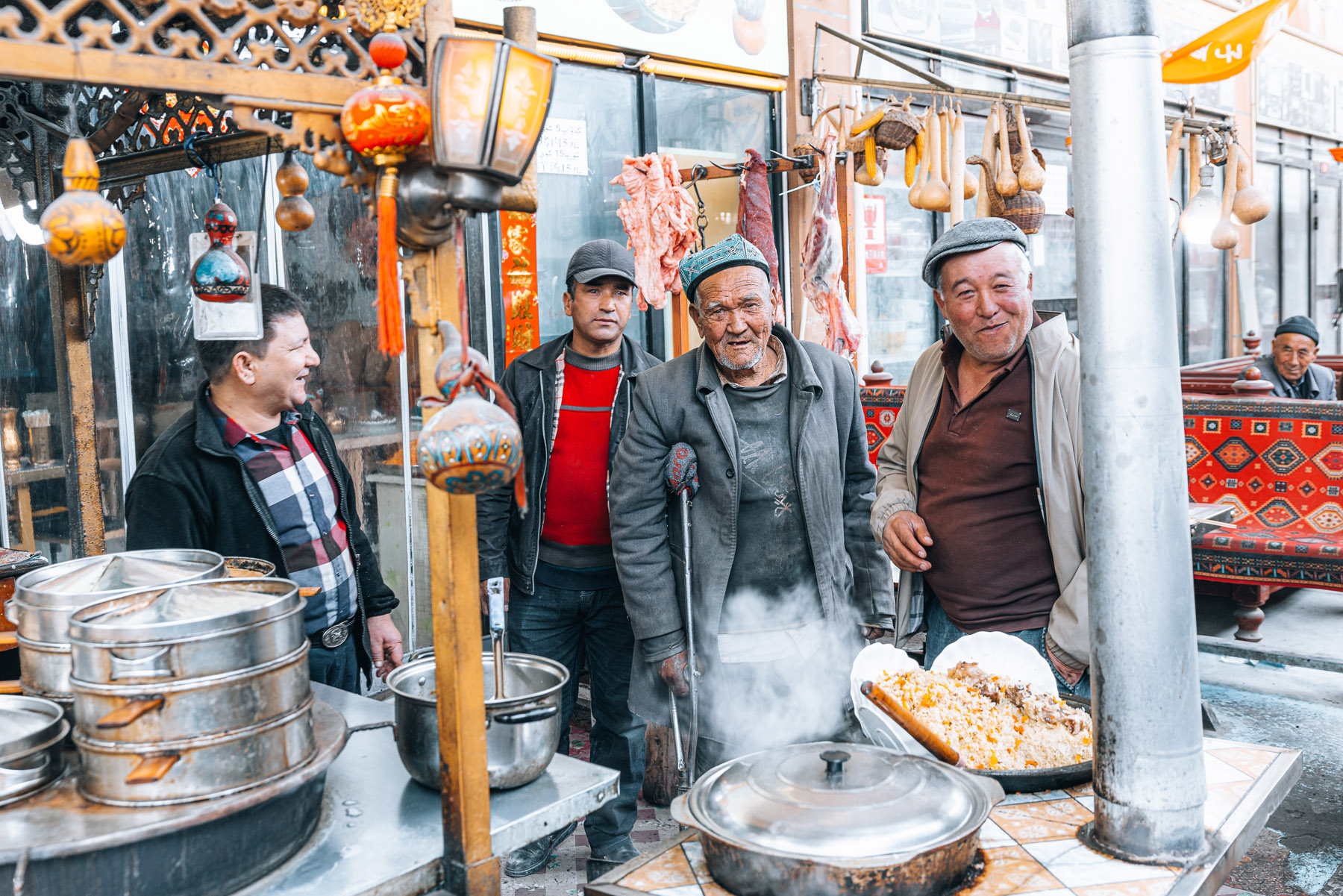
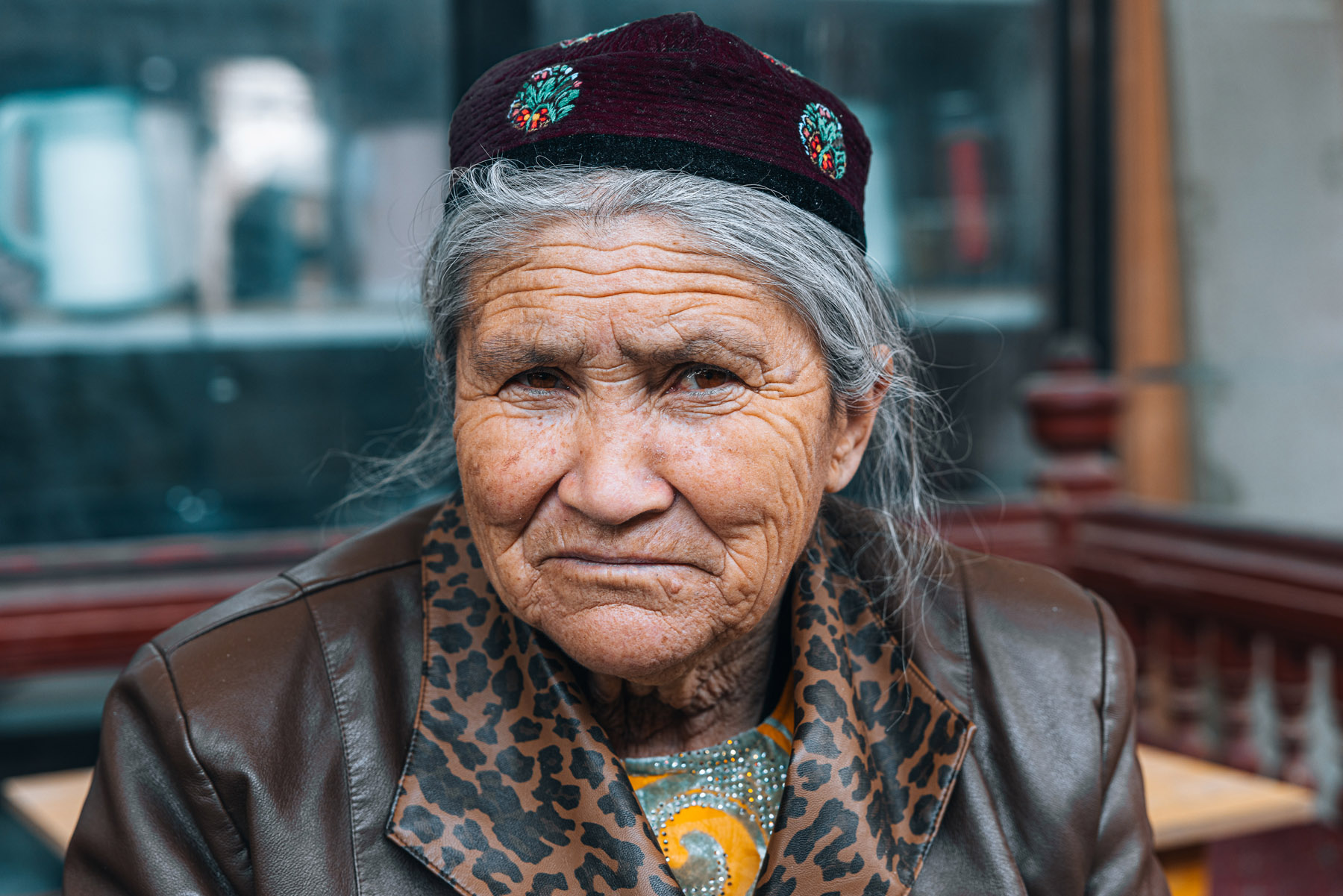
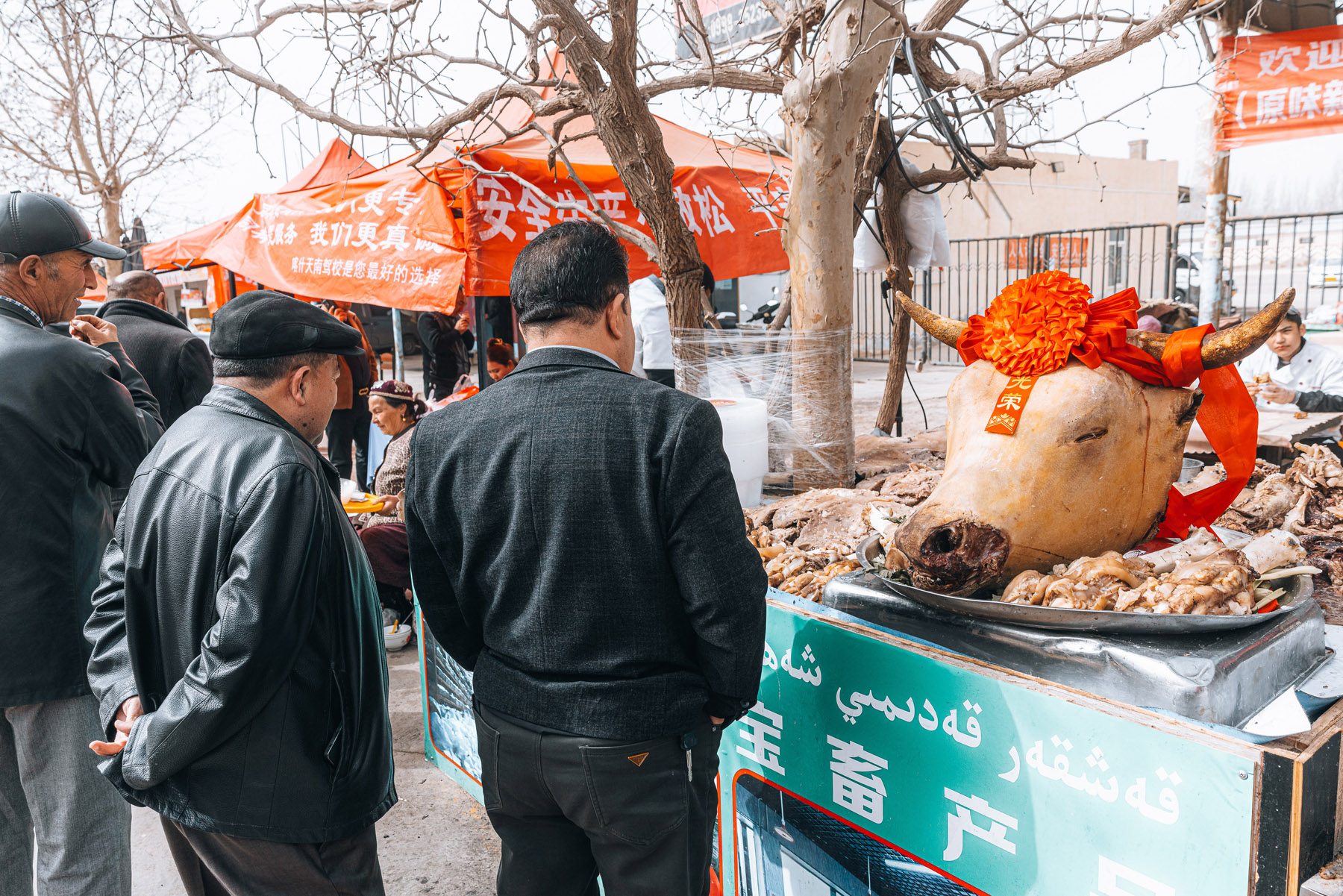
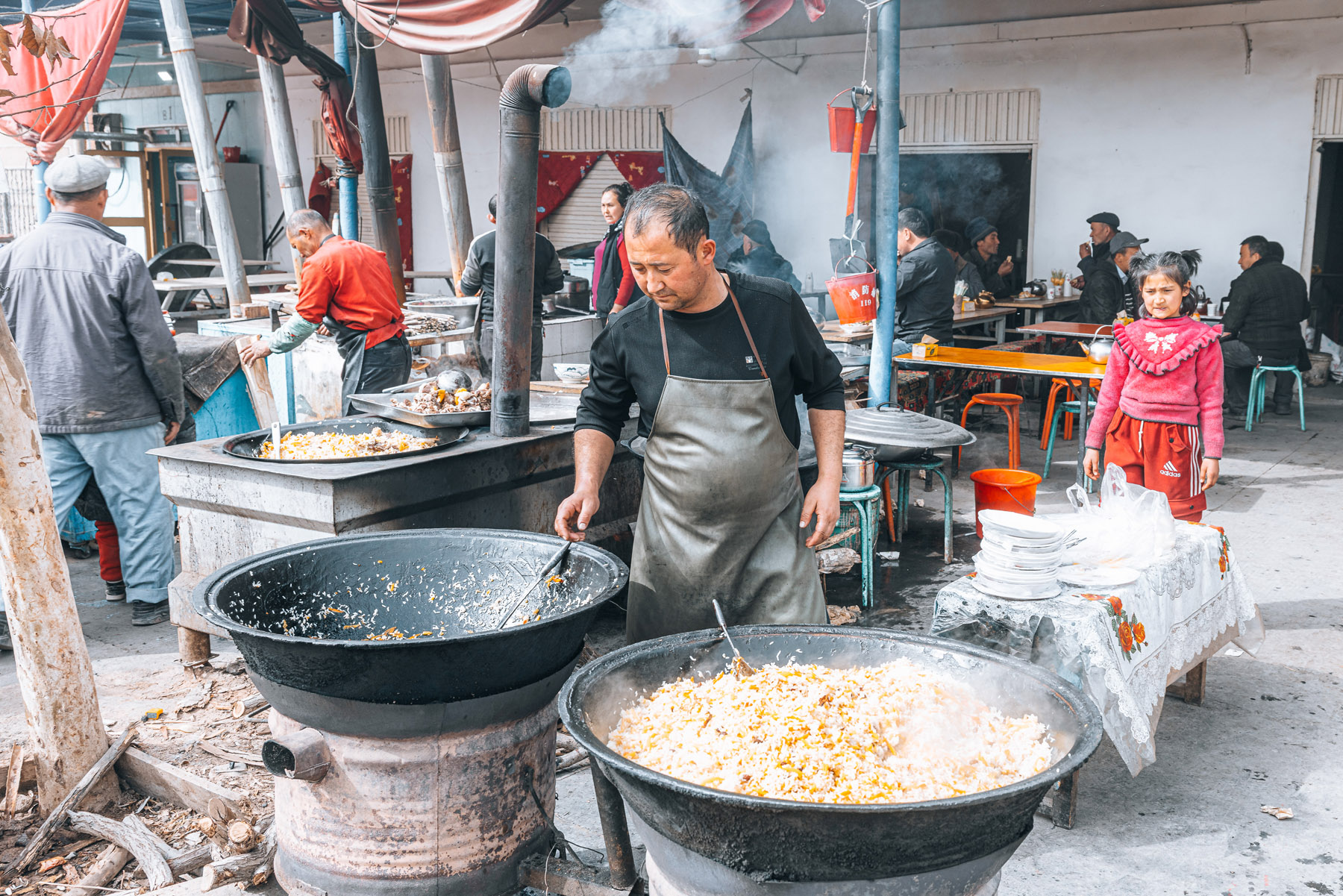
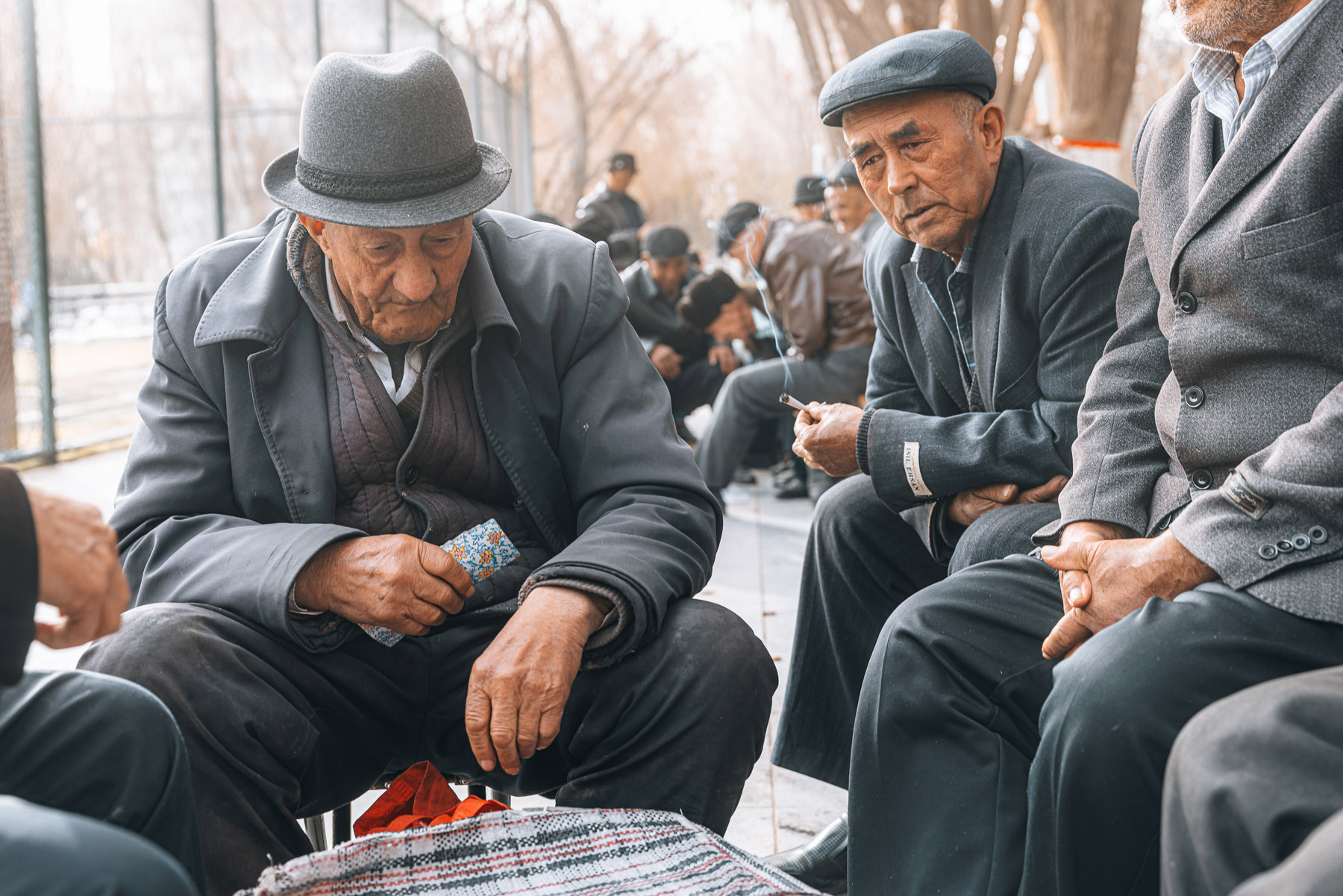
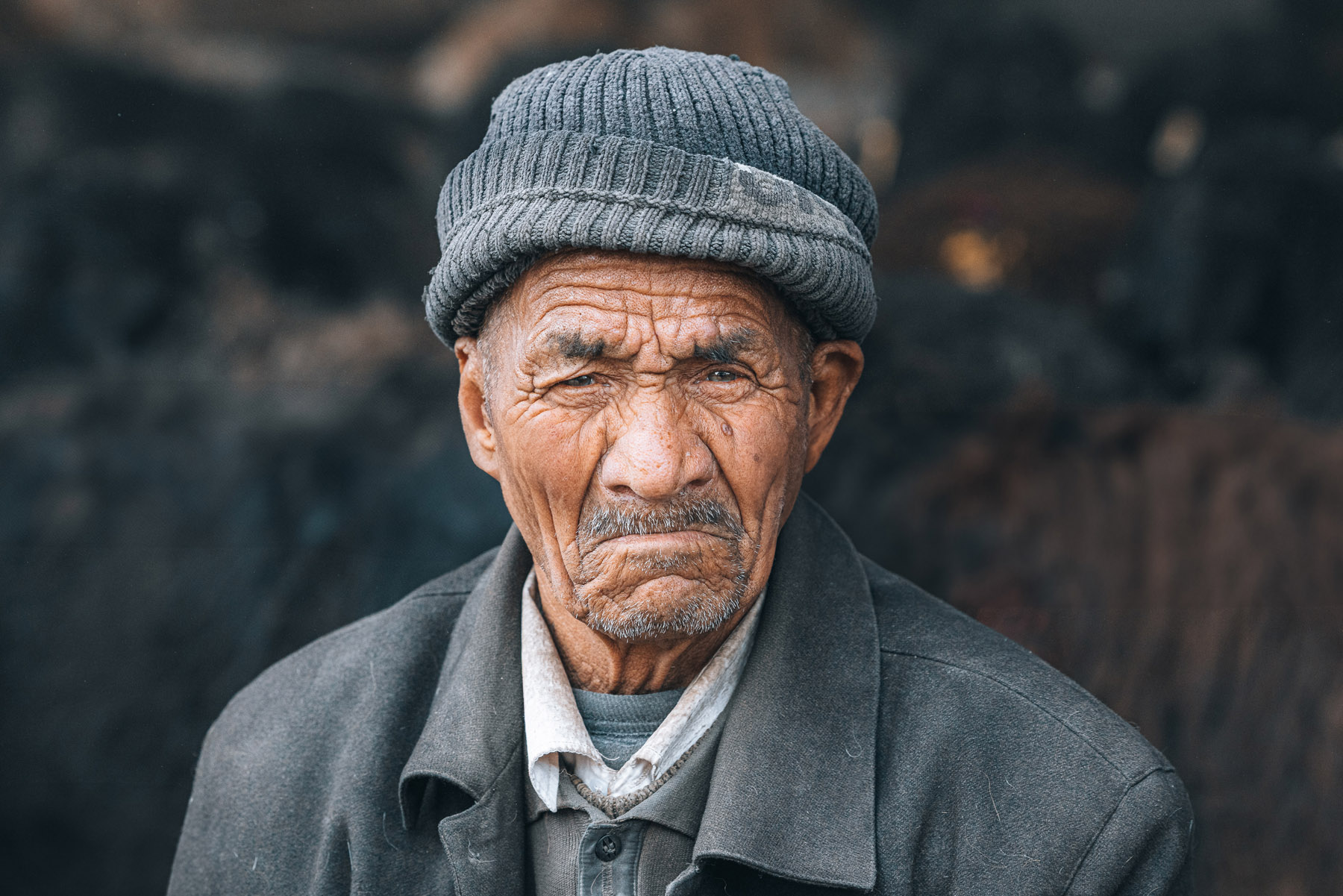
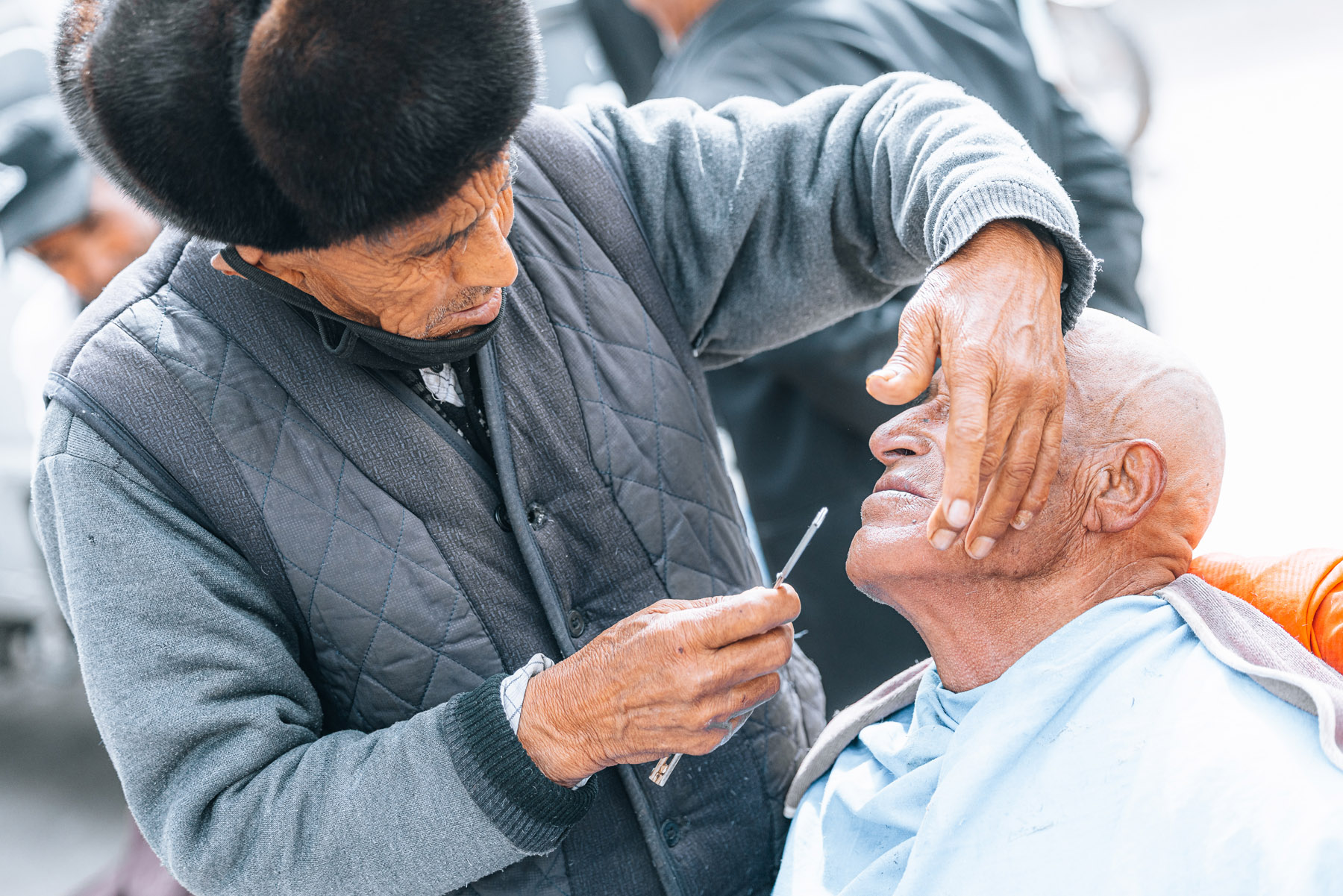
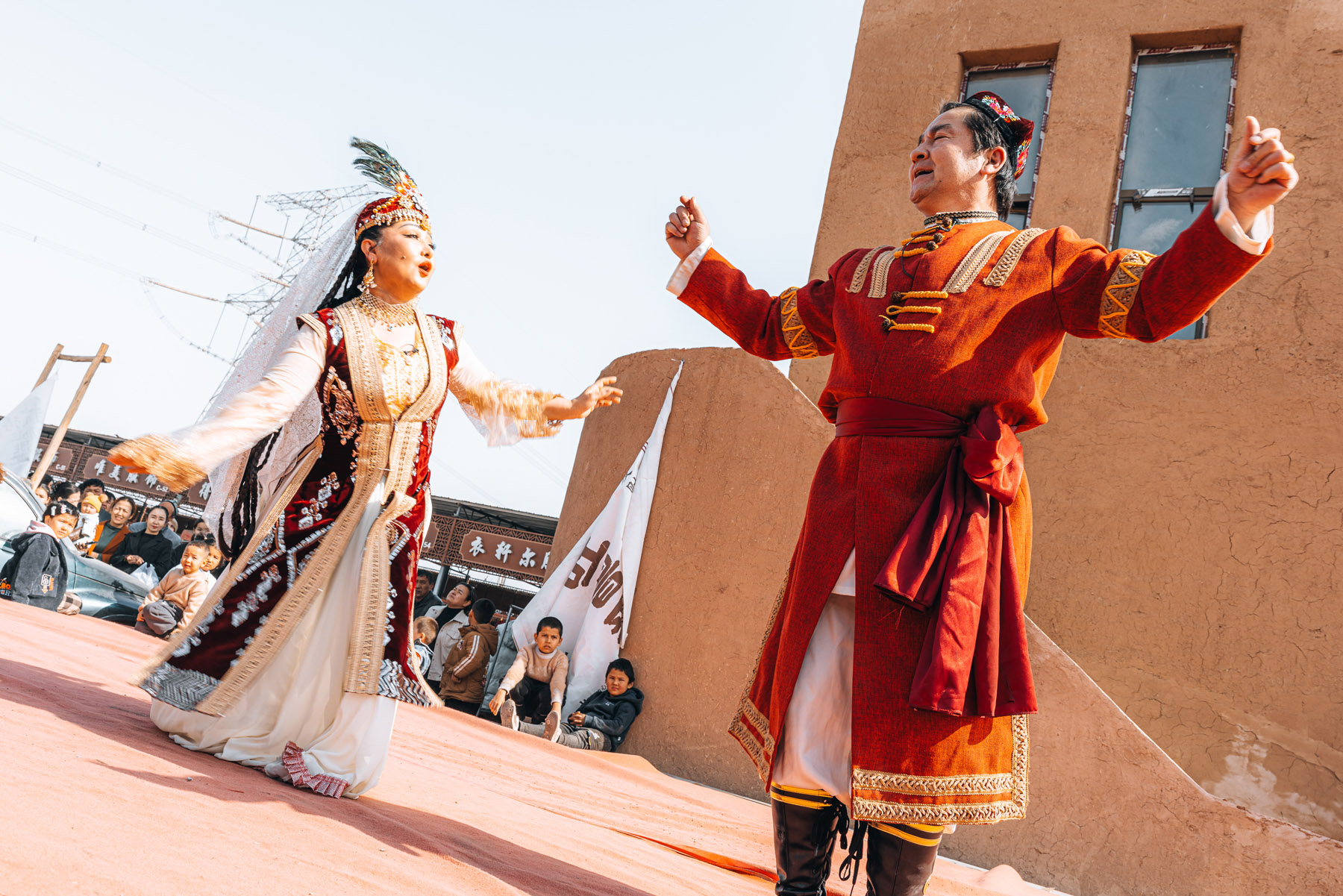
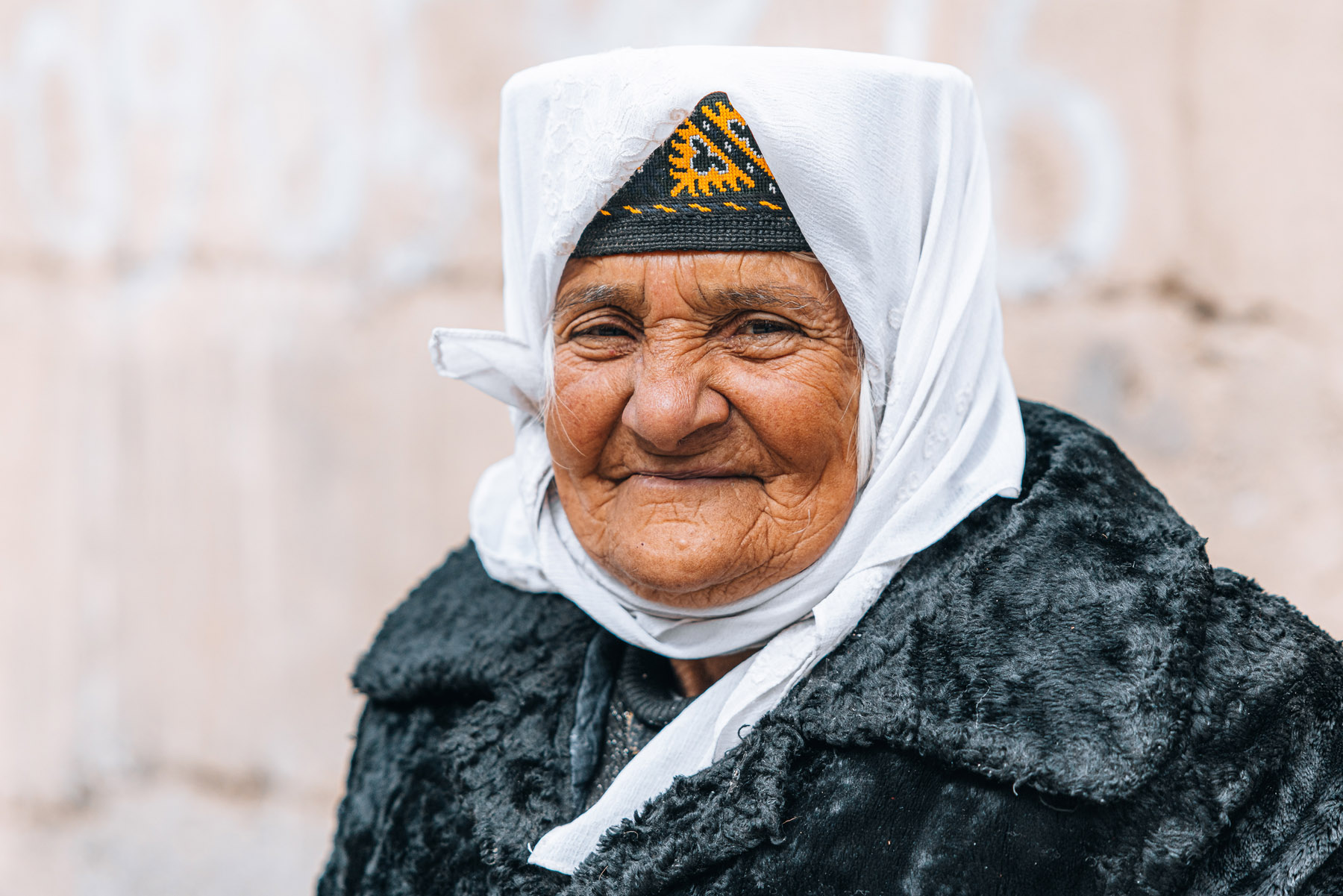
The city is a labyrinth of yellow-brick alleys in the Old Town, where craftsmen hammer copper and elders sip tea in century-old teahouses. A short trip to Yarkend revealed the spiritual and artistic side of the Silk Road at the Royal Tombs and the Yarkant Palace, where the classical Uyghur Muqam music provides the soundtrack to daily life. As I sat in a Kashgar teahouse on my final afternoon, watching the world go by, I realized that Southern Xinjiang is a place that doesn’t just show you sights; it changes your rhythm.
JOSEF BUERGI is a Swiss traveler, photographer, and storyteller who discovered his passion for photography in the 1990s. Having graduated from the Bale Institute of Technology with an engineering degree, he has nonetheless cultivated a successful career as a photographer, achieving skill and accomplishment through numerous workshops, self-instruction and the study of master photographers. Following his retirement April 2025, he now pursues his passion for travel, events and photography. He has traveled to almost 70 countries.
www.josefbuergi.com